
Catalogue Search | MBRL


Are you sure you want to remove the book from the shelf?

{{itemTitle}}
2
result(s) for
"Sexual minorities, Black Brazil Social conditions."
Sort by:

Unseen flesh : gynecology and black queer worth-making in Brazil
\"Unseen Flesh explores how Black lesbians in Brazil understand, navigate, and define their well-being and worth against racial, sexual, class, and gender-based prejudice. Nessette Falu analyzes the racist and heteronormative underpinnings of gynecology, and demonstrates how gynecology erases Black lesbian subjecthood through mental, emotional, and physical traumas. Drawing on ethnographic work with Black lesbian informants, Falu documents how Black lesbians resist erasure by asserting their worth and \"bem-estar Negra\" within and against gynecology's intimate violence\"-- Provided by publisher.
BOOK
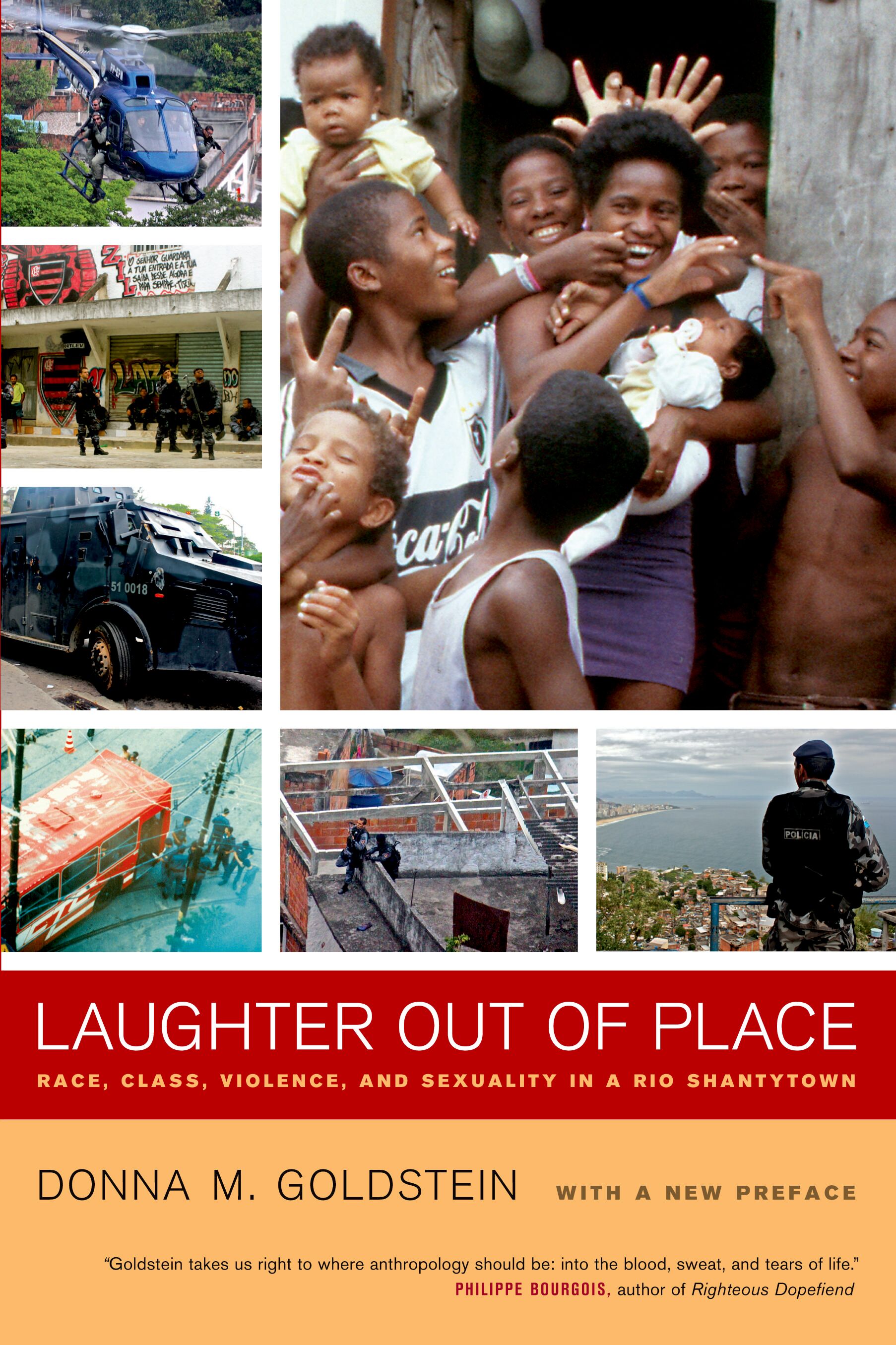
Laughter out of place
Donna M. Goldstein presents a hard-hitting critique of urban poverty and violence and challenges much of what we think we know about the \"culture of poverty\" in this compelling read. Drawing on more than a decade of experience in Brazil, Goldstein provides an intimate portrait of everyday life among the women of the favelas, or urban shantytowns in Rio de Janeiro, who cope with unbearable suffering, violence and social abandonment. The book offers a clear-eyed view of socially conditioned misery while focusing on the creative responses—absurdist and black humor—that people generate amid daily conditions of humiliation, anger, and despair. Goldstein helps us to understand that such joking and laughter is part of an emotional aesthetic that defines the sense of frustration and anomie endemic to the political and economic desperation among residents of the shantytown.
eBook