
Catalogue Search | MBRL


Are you sure you want to remove the book from the shelf?

{{itemTitle}}
5
result(s) for
"Sierra Club Biography."
Sort by:

The man who built the Sierra Club : a life of David Brower
This uncompromising biography explores every facet of Brower's time as leader of the Sierra Club and steward of the modern environmental movement. His passionate advocacy destroyed lifelong friendships and at times threatened his goals. Yet his achievements remain some of the most important triumphs of the conservation movement. What emerges from this unique portrait is a rich and robust profile of a leader who made environmentalism the cause of our time.
Book
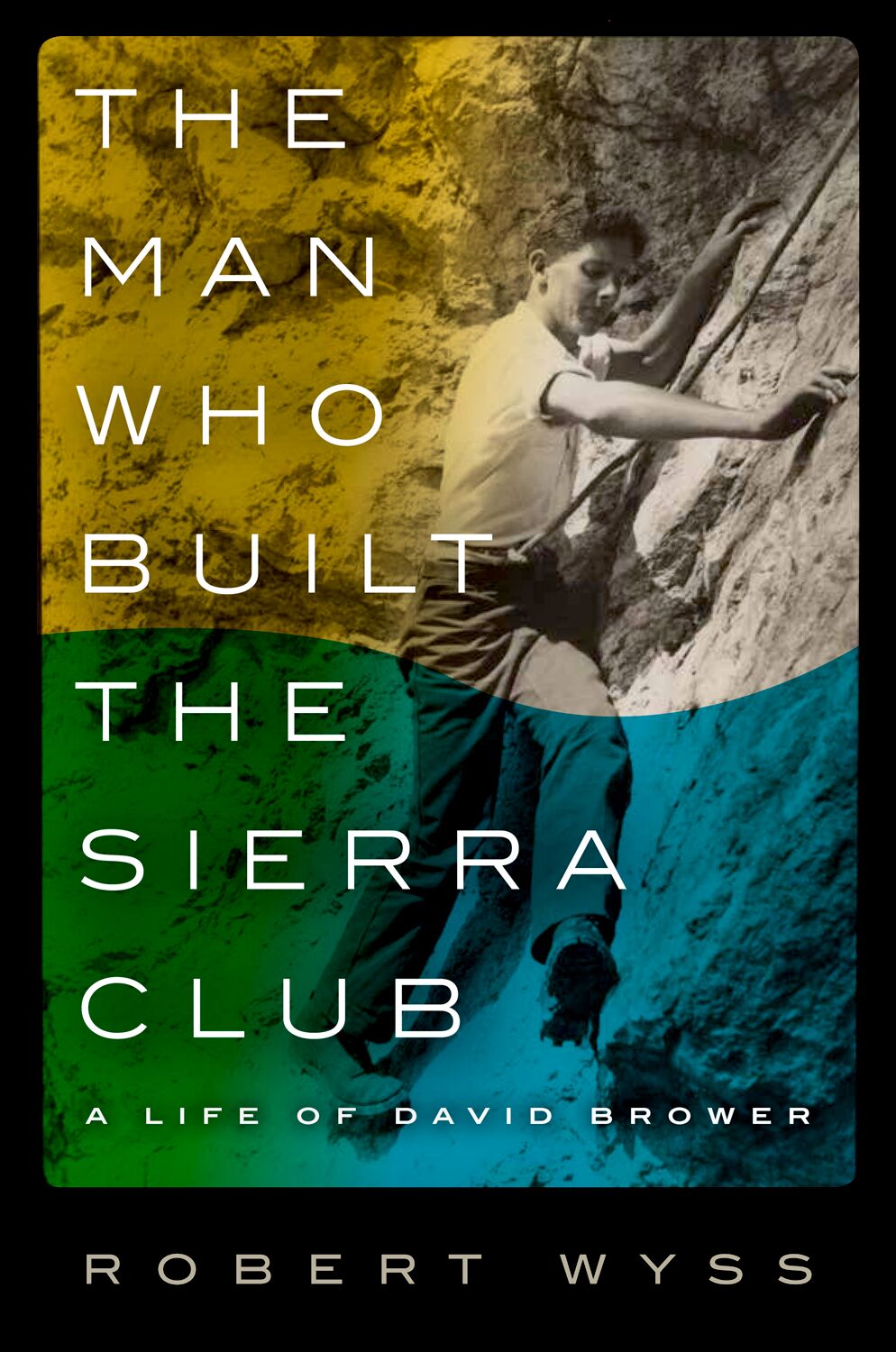
The man who built the Sierra Club
David Brower (1912-2000) was a central figure in the modern environmental movement. His leadership, vision, and elegant conception of the wilderness forever changed how we approach nature. In many ways he was a twentieth-century Thoreau. Brower transformed the Sierra Club into a national force that challenged and stopped federally sponsored projects that would have dammed the Grand Canyon and destroyed hundreds of millions of acres of our nation's wilderness. To admirers, he was tireless, passionate, visionary, and unyielding. To opponents and even some supporters, he was contentious and polarizing.
As a young man growing up in Berkeley, California, Brower proved himself a fearless climber of the Sierra Nevada's dangerous peaks. After serving in the U.S. Army's famed World War II Mountain Division, he became executive director of the Sierra Club. For nearly two decades, Brower led successful efforts to save crucial rivers in the West and millions of acres of wilderness, but in order to block two dams at the Dinosaur National Monument, he compromised on the building of Utah's Glen Canyon Dam-a loss of wilderness that haunted him until his death.
This uncompromising biography explores every facet of Brower's time as leader of the Sierra Club and steward of the modern environmental movement. His style inspired many but bordered on reckless. His passionate advocacy destroyed lifelong friendships and at times threatened his goals. Married for fifty-six years, Brower jeopardized everything to engage in affairs with other men. Yet his achievements remain some of the most important triumphs of the conservation movement. What emerges from this unique portrait is a rich and robust profile of a leader who took up the work of John Muir and, along with Rachel Carson, made environmentalism the cause of our time.
eBook

Guardians of the valley : John Muir and the friendship that saved Yosemite
\"In June of 1889 in San Francisco, John Muir-iconic environmentalist, writer, and philosopher-meets face-to-face for the first time with his longtime editor Robert Underwood Johnson, an elegant and influential figure at The Century magazine. Before long, the pair, opposites in many ways, decide to venture to Yosemite Valley, the magnificent site where twenty years earlier, Muir experienced a personal and spiritual awakening that would set the course of the rest of his life. Upon their arrival the men are confronted with a shocking vision, as predatory mining, tourism, and logging industries have plundered and defaced \"the grandest of all the special temples of Nature.\" While Muir is consumed by grief, Johnson, a champion of society's most pressing debates via the pages of the nation's most prestigious magazine, decides that he and Muir must fight back. The pact they form marks a watershed moment, leading to the creation of Yosemite National Park, and launching an environmental battle that captivates the nation and ushers in the beginning of the American environmental movement. Beautifully rendered, deeply researched, and inspiring, Guardians of the Valley is a moving story of friendship, the written word, and the transformative power of nature. It is also a timely and powerful \"origin story\" as the toweringly complex environmental challenges we face today become increasingly urgent\"-- Provided by publisher.
BOOK

David Brower
In this first comprehensive authorized biography of David Brower, a dynamic leader in the environmental movement over the last half of the twentieth century, Tom Turner explores Brower's impact on the movement from its beginnings until his death in 2000. Frequently compared to John Muir, David Brower was the first executive director of the Sierra Club, founded Friends of the Earth, and helped secure passage of the Wilderness Act, among other key achievements. Tapping his passion for wilderness and for the mountains he scaled in his youth, he was a central figure in the creation of the Point Reyes National Seashore and of the North Cascades and Redwood national parks. In addition, Brower worked tirelessly in successful efforts to keep dams from being built in Dinosaur National Monument and the Grand Canyon. Tom Turner began working with David Brower in 1968 and remained close to him until Brower’s death. As an insider, Turner creates an intimate portrait of Brower the man and the decisive role he played in the development of the environmental movement. Culling material from Brower’s diaries, notebooks, articles, books, and published interviews, and conducting his own interviews with many of Brower’s admirers, opponents, and colleagues, Turner brings to life one of the movement's most controversial and complex figures.
eBook
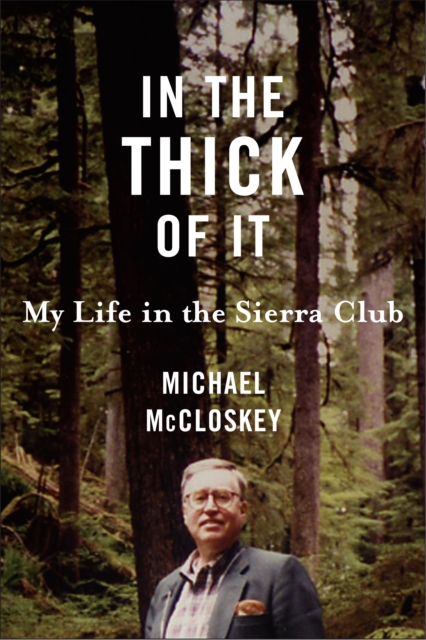
In the Thick of It
In an age when many of the major environmental policies established over the past four decades are under siege, Michael McCloskey reminds us of better days...days when conservation initiatives were seen not as political lightning rods, but as opportunities to cope with disturbing threats to the quality of our environment.
eBook