
Catalogue Search | MBRL


Are you sure you want to remove the book from the shelf?

{{itemTitle}}
2,347
result(s) for
"Signs and symbols."
Sort by:
The Hutchinson dictionary of symbols in art
Practical key to the understanding and appreciation of Western painting and sculpture.
Book

Dreams, nature, and practices as signs of the future in the Middle Ages
Seeking for signs of the future was a basic component of the pre-modern European mindset. The great variety of signs that are reviewed in the set of articles present commentaries on the time of their creation, whereas signs of the future display an ambiguous character.
eBook

The hidden language of symbols
\"The Hidden Language of Symbols' covers a wide-ranging selection of visual culture under one unified theme: symbols. Often not immediately apparent, our day-to-day lives abound with symbols of various kinds from national emblems to emojis, allegories to logos, all of which exert a strong hold in the image-saturated, globalized world of the 21st century and have a fascinating story. Organized across four all-encompassing themes - power, faith, hope and uncertainty - this stimulating illustrated account of forty-eight key symbols from global art history is aimed at gallery-goers, armchair art sleuths or anyone who wants to understand the history of their visual environment from an unusual and creative angle. Drawing on examples from the imaginary, natural, physical and religious worlds; from dragons to eagles, butterflies to labyrinths and rainbows to wheels; author and art historian Matthew Wilson discusses the different types of symbols from their creation, their development and why they evolved, to the various ways they have been interpreted. He also explains in what way symbols are markers of identity that have the power to unite and divide societies and looks at how they have shaped the world beyond the gallery, revealing their impact on the appearance of our cities, the language of advertising and blockbuster films and even the design of corporate logos.\"-- Publisher's description.
Book

When Ego Was Imago
The diffusion of personal signs of identity during the twelfth century introduced individuals to mediated forms of communication. The book analyses the conditions for and the implications of their partnering with material signs and images in expressing self and accountability.
eBook


German Memorials, Motifs, and Meanings
German Memorials, Motifs, and Meanings offers a unique cultural history of German memorialization.The book focuses not on a single, isolated era, but rather on enduring memorial motifs--enchanted stones, magical trees, raised fists, stone circles, and similar evocative symbols derived from myth, folklore, Christianity, national iconography, and.
eBook
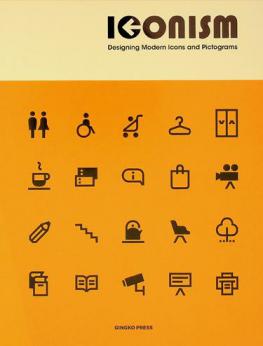
Iconism : designing modern icons and pictograms
*Iconism* is an inspirational reference for contemporary icon, pictogram and symbol design. Divided into three sections -- Visual Identity, Wayfinding and Interactive Design -- these ingenious and impactful styles from designers around the world highlight the importance of effective communication in our day to day lives.
Book
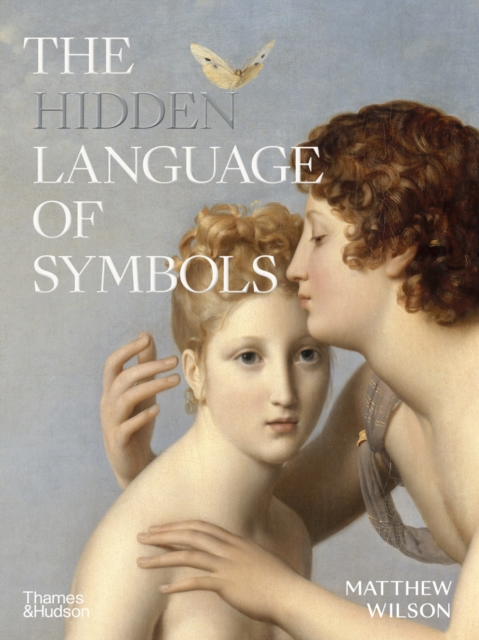
The Hidden Language of Symbols
Why do we reach for the red rose on Valentines day? Where did the owl gain its reputation for wisdom? Why should you never trust a fox? In this visual tour through art history, Matthew Wilson pieces together a global visual language enshrined in art: the language of symbols. Symbols exert a strong hold in the image-saturated 21st century, and have done so for thousands of years. From national emblems to corporate logos and emojis, our day-to-day lives abound with icons with roots in the distant past. Expert art historian Matthew Wilson traces the often surprising trajectories that symbols have taken through history, from their original purposes to their modern meanings, identifying the common themes and ideas that link seemingly disparate cultures. Thus we meet the falcon as a symbol of authority from the ancient Egyptian pharaohs to the medieval aristocracy; the dog as stalwart companion from the classical era to the Renaissance; and the mythical phoenix as a symbol of female power connecting a queen in England with a goddess in China. We also see moments of radical reinterpretation and change: the transformation of the swastika from an auspicious symbol of hope to one of hate. From Palaeolithic cave paintings to contemporary installations, Wilson deftly guides us through this world of symbols, showcasing their enduring ability to express power, hope, fear and faith, and to create and communicate identities, uniting or dividing the people that made them.
eBook


New Mythologies in Design and Culture
Taking as its point of departure Roland Barthes’ classic series of essays, Mythologies, Rebecca Houze presents an exploration of signs and symbols in the visual landscape of postmodernity. In nine chapters Houze considers a range of contemporary phenomena, from the history of sustainability to the meaning of sports and children’s building toys. Among the ubiquitous global trademarks she examines are BP, McDonald’s, and Nike. What do these icons say to us today? What political and ideological messages are hidden beneath their surfaces? Taking the idea of myth in its broadest sense, the individual case studies employ a variety of analytic methods derived from linguistics, psychoanalysis, anthropology, sociology, and art history. In their eclecticism of approach they demonstrate the interdisciplinarity of design history and design studies. Just as Barthes’ meditations on culture concentrated on his native France, New Mythologies is rooted in the author’s experience of living and teaching in the United States. Houze’s reflections encompass both contemporary American popular culture and the history of American industry, with reference to such foundational figures as Thomas Jefferson and Walt Disney. The collection provides a point of entry into today’s complex postmodern or post-postmodern world, and suggests some ways of thinking about its meanings, and the lessons we might learn from it.
eBook