Catalogue Search | MBRL


Are you sure you want to remove the book from the shelf?

{{itemTitle}}
5
result(s) for
"South Chicago (Chicago, Ill.) History 20th century."
Sort by:


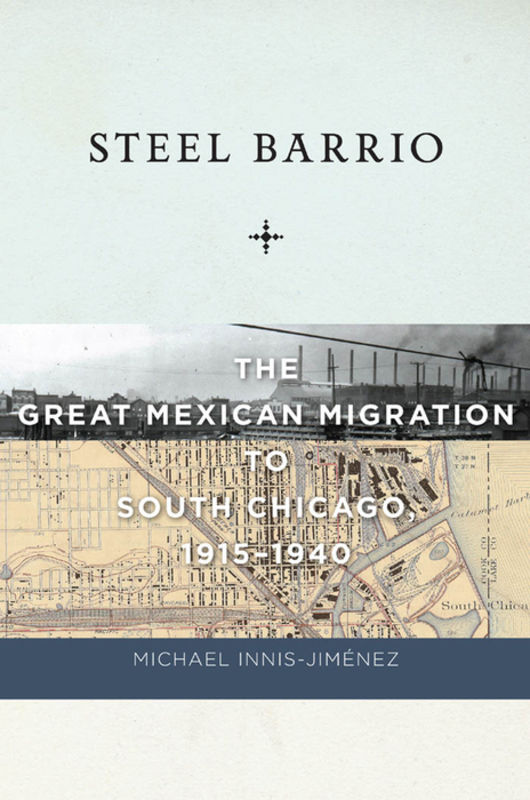
Steel Barrio
Michael Innis-Jimenezis a native of Laredo, Texas and Assistant Professor in the Department of American Studies at the University of Alabama. He lives in Tuscaloosa where he working on his next book on Latino/a immigration to the American South.In theCulture, Labor, Historyseries
eBook


The Depression Comes to the South Side
In the 1920s, the South Side was looked on as the new Black Metropolis, but by the turn of the decade that vision was already in decline-a victim of the Depression. In this timely book, Christopher Robert Reed explores early Depression-era politics on Chicago's South Side. The economic crisis caused diverse responses from groups in the black community, distinguished by their political ideologies and stated goals. Some favored government intervention, others reform of social services. Some found expression in mass street demonstrations, militant advocacy of expanded civil rights, or revolutionary calls for a complete overhaul of the capitalist economic system. Reed examines the complex interactions among these various groups as they played out within the community as it sought to find common ground to address the economic stresses that threatened to tear the Black Metropolis apart.
eBook