
Catalogue Search | MBRL


Are you sure you want to remove the book from the shelf?

{{itemTitle}}
548
result(s) for
"Southern States Statistics."
Sort by:


Healthcare Access and Quality Index based on mortality from causes amenable to personal health care in 195 countries and territories, 1990–2015: a novel analysis from the Global Burden of Disease Study 2015
National levels of personal health-care access and quality can be approximated by measuring mortality rates from causes that should not be fatal in the presence of effective medical care (ie, amenable mortality). Previous analyses of mortality amenable to health care only focused on high-income countries and faced several methodological challenges. In the present analysis, we use the highly standardised cause of death and risk factor estimates generated through the Global Burden of Diseases, Injuries, and Risk Factors Study (GBD) to improve and expand the quantification of personal health-care access and quality for 195 countries and territories from 1990 to 2015.
We mapped the most widely used list of causes amenable to personal health care developed by Nolte and McKee to 32 GBD causes. We accounted for variations in cause of death certification and misclassifications through the extensive data standardisation processes and redistribution algorithms developed for GBD. To isolate the effects of personal health-care access and quality, we risk-standardised cause-specific mortality rates for each geography-year by removing the joint effects of local environmental and behavioural risks, and adding back the global levels of risk exposure as estimated for GBD 2015. We employed principal component analysis to create a single, interpretable summary measure–the Healthcare Quality and Access (HAQ) Index–on a scale of 0 to 100. The HAQ Index showed strong convergence validity as compared with other health-system indicators, including health expenditure per capita (r=0·88), an index of 11 universal health coverage interventions (r=0·83), and human resources for health per 1000 (r=0·77). We used free disposal hull analysis with bootstrapping to produce a frontier based on the relationship between the HAQ Index and the Socio-demographic Index (SDI), a measure of overall development consisting of income per capita, average years of education, and total fertility rates. This frontier allowed us to better quantify the maximum levels of personal health-care access and quality achieved across the development spectrum, and pinpoint geographies where gaps between observed and potential levels have narrowed or widened over time.
Between 1990 and 2015, nearly all countries and territories saw their HAQ Index values improve; nonetheless, the difference between the highest and lowest observed HAQ Index was larger in 2015 than in 1990, ranging from 28·6 to 94·6. Of 195 geographies, 167 had statistically significant increases in HAQ Index levels since 1990, with South Korea, Turkey, Peru, China, and the Maldives recording among the largest gains by 2015. Performance on the HAQ Index and individual causes showed distinct patterns by region and level of development, yet substantial heterogeneities emerged for several causes, including cancers in highest-SDI countries; chronic kidney disease, diabetes, diarrhoeal diseases, and lower respiratory infections among middle-SDI countries; and measles and tetanus among lowest-SDI countries. While the global HAQ Index average rose from 40·7 (95% uncertainty interval, 39·0–42·8) in 1990 to 53·7 (52·2–55·4) in 2015, far less progress occurred in narrowing the gap between observed HAQ Index values and maximum levels achieved; at the global level, the difference between the observed and frontier HAQ Index only decreased from 21·2 in 1990 to 20·1 in 2015. If every country and territory had achieved the highest observed HAQ Index by their corresponding level of SDI, the global average would have been 73·8 in 2015. Several countries, particularly in eastern and western sub-Saharan Africa, reached HAQ Index values similar to or beyond their development levels, whereas others, namely in southern sub-Saharan Africa, the Middle East, and south Asia, lagged behind what geographies of similar development attained between 1990 and 2015.
This novel extension of the GBD Study shows the untapped potential for personal health-care access and quality improvement across the development spectrum. Amid substantive advances in personal health care at the national level, heterogeneous patterns for individual causes in given countries or territories suggest that few places have consistently achieved optimal health-care access and quality across health-system functions and therapeutic areas. This is especially evident in middle-SDI countries, many of which have recently undergone or are currently experiencing epidemiological transitions. The HAQ Index, if paired with other measures of health-system characteristics such as intervention coverage, could provide a robust avenue for tracking progress on universal health coverage and identifying local priorities for strengthening personal health-care quality and access throughout the world.
Bill & Melinda Gates Foundation.
Journal Article

Gold and freedom : the political economy of Reconstruction
\"This book argues that Northern disputes over public debt, greenbacks, and tariffs, as well as national economic consequences of the Civil War, undermined Reconstruction as much as Southern race relations and constitutional issues\"--Provided by publisher.
Book

Effects of extreme air pollution and El Niño Southern Oscillation on insufficient sleep: a cross-sectional study
Background
While there are many well understood clinical risk factors on sleep patterns, the associations of environmental factors, specifically air pollution on insufficient sleep remains understudied. This study investigates the association between insufficient sleep and particulate matter 2.5 (PM
2.5
) among adults in the United States. There is also a need to determine whether various El Niño Southern Oscillation (ENSO) phases are effect modifiers in this relationship.
Method
A cross-sectional observational analysis using annual survey data from 3100 United States counties for adult (≥ 18 years) age-adjusted insufficient sleep prevalence from 2017 to 2024. Annual average county-specific PM
2.5
data was categorized into three categories [low (< 5 µg/m
3
), moderate (5–11 µg/m
3
), extreme (≥ 11 µg/m
3
)]. The annual average ENSO index was used to determine if the year was either El Niño, La Niña, or neutral. Adjusted associations were conducted using Poisson regression and were stratified by various phases of ENSO. Adjusted associations were reported as rate ratio (RR).
Results
From 2017 to 2024, the United States annual insufficient sleep is 34% [range min to max: 23–49%]. With respect to low PM
2.5
; moderate and extreme PM
2.5
levels were associated with an increased risk of insufficient sleep by 1.03 (95% CI 1.02–1.05,
P
< 0.001) and 1.11 (95% CI 1.09–1.12,
P
< 0.001), respectively. The interaction between PM
2.5
and ENSO was significant (
P
< 0.001) on insufficient sleep. The magnitude in associations between extreme PM
2.5
and insufficient sleep differed by various ENSO phases.
Conclusion
Long-term (i.e. annual) effects of air pollution can pose a risk on adult sleep. While El Niño and La Niña phases were found to be a significant effect modifier, yet during the neutral phase the risks for extreme PM
2.5
were observed to be the strongest on insufficient sleep. Further investigations are needed to recognize the environmental effects on sleep deprivation.
Significance
What is already known on this topic
There are many known risk factors for insufficient sleep among adults. Emerging research has documented new environmental factors which have shown significant effects on insufficient sleep, including air pollution. Extreme levels of atmospheric air pollution have been associated with adult sleep disturbances, especially particulate matter 2.5 (PM
2.5
). But the majority of studies have documented short-term effects of PM
2.5
(1-hour or daily), ignoring long-term risks of PM
2.5
on sleep quality. Furthermore, air pollution episodes were strongly associated with climate variability, such as the El Niño Southern Oscillation (ENSO), which contribute to risks on health outcomes. Hence this study seeks to understand the long-term risk of PM
2.5
on insufficient sleep in the United States and whether ENSO acts as an effect modifier in the relationship between PM
2.5
and sleep.
What this study adds
In the past eight years, the prevalence of insufficient sleep among adults in the United States has increased by 4.5%. Moderate and extreme PM
2.5
levels were significantly associated with a risk of 3% and 11%, respectively on insufficient sleep. Due to the significant interaction present between PM
2.5
and ENSO, models were stratified by ENSO phases. We found that all phases of ENSO significantly increased the risk of extreme PM
2.5
on adult insufficient sleep in the United States.
How this study might affect research, practice or policy
This study carries significant implications for research, practice, and policy, highlighting the necessity of nationwide efforts to reduce PM
2.5
levels. To mitigate adverse health effects, communities should prioritize safety during periods of deteriorating air quality. Furthermore, the predictability of ENSO up to a year in advance offers the potential to forecast and prepare for shifts in sleep behaviors. At the urban level, thoughtful planning and policy changes could lead to improved sleep outcomes and a reduction in sleep disparities.
Journal Article
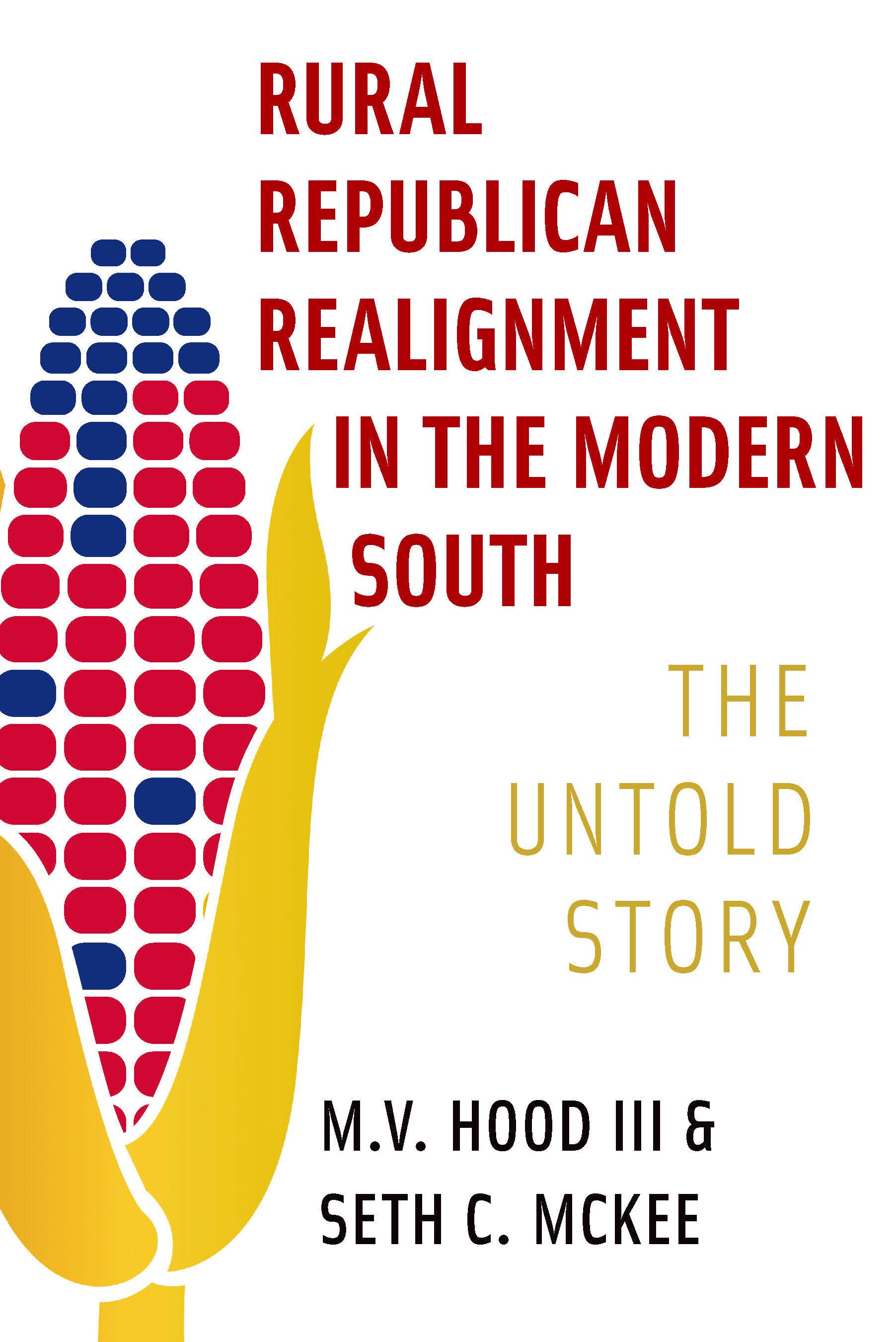
Rural Republican Realignment in the Modern South
An inside look at why the Republican Party has come to dominate
the rural American South
Beginning with the Dixiecrat Revolt of 1948 and extending
through the 2020 election cycle, political scientists M.V. Hood III
and Seth C. McKee trace the process by which rural white
southerners transformed from fiercely loyal Democrats to stalwart
Republicans. While these rural white southerners were the slowest
to affiliate with the Grand Old Party, they are now its staunchest
supporters. This transition and the reasons for it are vital to
understanding the current electoral landscape of the American
South, including states like Georgia, Florida, North Carolina,
Texas, and Virginia, all of which have the potential to exert
enormous influence over national electoral outcomes.
In this first book-length empirically based study focusing on
rural southern voters, Hood and McKee examine their changing
political behavior, arguing that their Democratic-to-Republican
transition is both more recent and more durable than most political
observers realize. By analyzing data collected from their own
region-wide polling along with a variety of other carefully mined
sources, the authors explain why the initial appeal of 1950s
Republicanism to upscale white southerners in metropolitan settings
took well over a half-century to yield to, and morph into, its
culturally conservative variant now championed by rural residents.
Hood and McKee contend that it is impossible to understand current
American electoral politics without understanding the longer
trajectory of voting behavior in rural America and they offer not
only a framework but also the data necessary for doing so.
eBook

Probabilities of Concurrent Extremes
The statistical modeling of spatial extremes has been an active area of recent research with a growing domain of applications. Much of the existing methodology, however, focuses on the magnitudes of extreme events rather than on their timing. To address this gap, this article investigates the notion of extremal concurrence. Suppose that daily temperatures are measured at several synoptic stations. We say that extremes are concurrent if record maximum temperatures occur simultaneously, that is, on the same day for all stations. It is important to be able to understand, quantify, and model extremal concurrence. Under general conditions, we show that the finite sample concurrence probability converges to an asymptotic quantity, deemed extremal concurrence probability. Using Palm calculus, we establish general expressions for the extremal concurrence probability through the max-stable process emerging in the limit of the component-wise maxima of the sample. Explicit forms of the extremal concurrence probabilities are obtained for various max-stable models and several estimators are introduced. In particular, we prove that the pairwise extremal concurrence probability for max-stable vectors is precisely equal to the Kendall's τ. The estimators are evaluated from simulations and applied to study temperature extremes in the United States. Results demonstrate that concurrence probability can be used to study, for example, the effect of global climate phenomena such as the El Niño Southern Oscillation (ENSO) or global warming on the spatial structure and areal impact of extremes.
Journal Article

Just Enough to Put Him Away Decent
As the twentieth century began, Black and white southerners alike dealt with low life expectancy and poor healthcare in a region synonymous with early death. But the modernization of death care by a diverse group of actors changed not only death rituals but fundamental ideas about health and wellness.
Kristine McCusker charts the dramatic transformation that took place when southerners in particular and Americans in general changed their thinking about when one should die, how that death could occur, and what decent burial really means. As she shows, death care evolved from being a community act to a commercial one where purchasing a purple coffin and hearse ride to the cemetery became a political statement and the norm. That evolution also required interactions between perfect strangers, especially during the world wars as families searched for their missing soldiers. In either case, being put away decent, as southerners called burial, came to mean something fundamentally different in 1955 than it had just fifty years earlier.
eBook

Hydrological droughts in the 21st century, hotspots and uncertainties from a global multimodel ensemble experiment
Increasing concentrations of greenhouse gases in the atmosphere are expected to modify the global water cycle with significant consequences for terrestrial hydrology. We assess the impact of climate change on hydrological droughts in a multimodel experiment including seven global impact models (GIMs) driven by bias-corrected climate from five global climate models under four representative concentration pathways (RCPs). Drought severity is defined as the fraction of land under drought conditions. Results show a likely increase in the global severity of hydrological drought at the end of the 21st century, with systematically greater increases for RCPs describing stronger radiative forcings. Under RCP8.5, droughts exceeding 40% of analyzed land area are projected by nearly half of the simulations. This increase in drought severity has a strong signal-to-noise ratio at the global scale, and Southern Europe, the Middle East, the Southeast United States, Chile, and South West Australia are identified as possible hotspots for future water security issues. The uncertainty due to GIMs is greater than that from global climate models, particularly if including a GIM that accounts for the dynamic response of plants to CO ₂ and climate, as this model simulates little or no increase in drought frequency. Our study demonstrates that different representations of terrestrial water-cycle processes in GIMs are responsible for a much larger uncertainty in the response of hydrological drought to climate change than previously thought. When assessing the impact of climate change on hydrology, it is therefore critical to consider a diverse range of GIMs to better capture the uncertainty.
Journal Article

Burden of stillbirths and associated factors in Yirgalem Hospital, Southern Ethiopia: a facility based cross-sectional study
Background
Stillbirth is an adverse pregnancy outcome of public health importance causing considerable psychosocial burden on parents and their family. Studies on stillbirth are scarce in southern Ethiopia. An assessment of stillbirths and associated factors in health care settings helps in devising strategies for tailored interventions. Therefore, we assessed the burden of stillbirths and associated factors in Yirgalem Hospital, southern Ethiopia.
Methods
A facility based cross-sectional study was conducted between 1 August 2015 and 30 July 2016. We randomly selected medical records of pregnant women from a hospital delivery registry. Bivariate analysis was employed to assess the association between independent and dependent variables using chi-square with significant p-value. Multivariate logistic regression was used to identify independent risk factors for stillbirths and to control for confounding variables.
Results
Of 374 reviewed records of pregnant women, 370 were included for the study. The magnitude of stillbirths was 92 per 1000 births. Fifteen (44.1%) of fetal deaths occurred after admission to the hospital. In multivariate logistic regression, stillbirths were higher among low birth-weight babies (< 2500grams) (adjusted odds ratio (AOR): 10.70, 95% CI 3.18–35.97) than normal birth-weight babies (2500-<4000). Pregnant women who experienced a prolonged labour for more than 48 hours were 12 times (AOR: 12.15, 95% CI 1.76–84.12) more likely to have stillbirths than pregnant women without a prolonged labour. Pregnant women with obstetric complications were 18.9 times more likely to have stillbirths than pregnant women without obstetric complications. Similarly, pregnant women with at least two pregnancies were more likely to have stillbirths than pregnant women with less than two pregnancies (AOR: 4.39, 95% CI 1.21–15.85).
Conclusions
We found a high burden of stillbirths in the study setting. Modifiable risk factors contributed to a higher risk of stillbirths; therefore, tailored interventions such as early identification and management of prolonged labour and obstetric complication at each level of health system could avert preventable stillbirths.
Journal Article

Willingness to Use Oral and Long-Acting Injectable PrEP in Substance-Using Men who have Sex with Men (SU-MSM) in High HIV Incidence Southern U.S. Cities: A NIDA Clinical Trials Network Study
In Southern U.S. states with high HIV incidence and low HIV Pre-Exposure Prophylaxis (PrEP) uptake, enhanced efforts to increase interest in and willingness to use PrEP are needed. This implementation survey examined the associations of sociodemographic background, substance use, and sexual risk behaviors with willingness to use daily oral and long-acting injectable (LAI) PrEP among substance using men who have sex with men (SU-MSM). Participants were 225 SU-MSM recruited from sexually transmitted infection (STI) clinics, syringe services programs (SSPs), and substance use treatment programs (SUTPs) in eight Southern U.S. cities. Rates of willingness were high for both daily oral PrEP (78%) and LAI PrEP (66%). In multivariable analyses, distinct factors were associated with willingness towards each. For daily oral PrEP, greater willingness was associated with condomless anal sex, less frequent non-injection opioid use, prior PrEP awareness, and past use of PrEP. For LAI PrEP, greater willingness was associated with Black race, identifying as gay, being single, and higher injection drug use frequency. Lower willingness to use LAI PrEP was associated with higher non-injection opioid use frequency. Findings about willingness to use LAI PrEP, as a relatively newer modality, and greater willingness among Black SU-MSM as a disproportionately HIV-impacted population, are especially important. These findings argue for the necessity to enhance PrEP promotion efforts that distinguish between oral and LAI PrEP and that are specifically tailored to major SU-MSM subgroups in the Southern U.S.
Journal Article