
Catalogue Search | MBRL


Are you sure you want to remove the book from the shelf?

{{itemTitle}}
183
result(s) for
"Space flight Physiological effect."
Sort by:

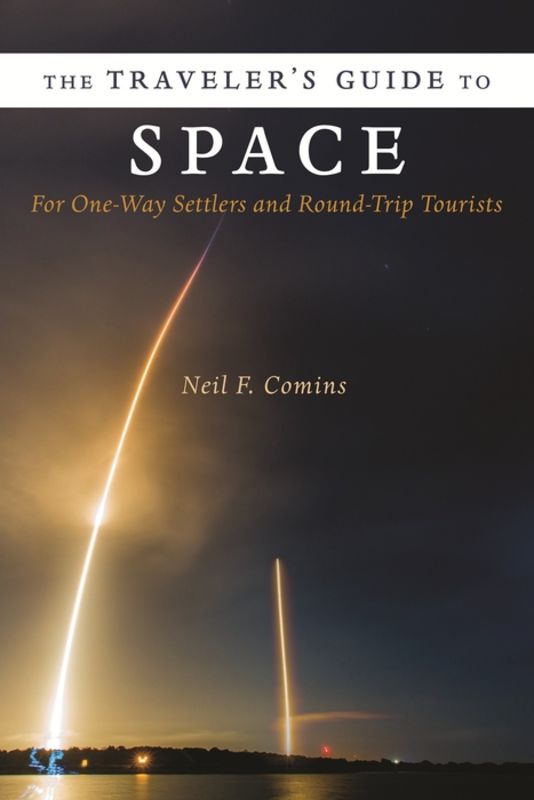
The traveler's guide to space
If you have ever wondered about space travel, now you have the opportunity to understand it more fully than ever before. Traveling into space and even emigrating to nearby worlds may soon become part of the human experience. Scientists, engineers, and investors are working hard to make space tourism and colonization a reality. As astronauts can attest, extraterrestrial travel is incomparably thrilling. To make the most of the experience requires serious physical and mental adaptations in virtually every aspect of life, from eating to intimacy. Everyone who goes into space sees Earth and life on it from a profoundly different perspective than they had before liftoff. Astronomer and former NASA/ASEE scientist Neil F. Comins has written the go-to book for anyone interested in space exploration. He describes the wonders that travelers will encounter—weightlessness, unparalleled views of Earth and the cosmos, and the opportunity to walk on another world—as well as the dangers: radiation, projectiles, unbreathable atmospheres, and potential equipment failures. He also provides insights into specific trips to destinations including suborbital flights, space stations, the Moon, asteroids, comets, and Mars—the top candidate for colonization. Although many challenges are technical, Comins outlines them in clear language for all readers. He synthesizes key issues and cutting-edge research in astronomy, physics, biology, psychology, and sociology to create a complete manual for the ultimate voyage.
eBook


A Risk Reduction Strategy for Human Exploration of Space
Extending the spatial and temporal boundaries of human space flight is an important goal for the nation and for the National Aeronautics and Space Administration (NASA).However, human space flight remains an endeavor with substantial risks, and these risks must be identified, managed, and mitigated appropriately to achieve the nation's goals in.
eBook

Life and Physical Sciences Research for a New Era of Space Exploration
In response to requests from Congress, NASA asked the National Research Council to undertake a decadal survey of life and physical sciences in microgravity. Developed in consultation with members of the life and physical sciences communities, the guiding principle for the study is to set an agenda for research for the next decade that will allow the use of the space environment to solve complex problems in life and physical sciences so as to deliver both new knowledge and practical benefits for humankind as we become a spacefaring people.
The project's statement of task calls for delivery of two books-an interim report and a final survey report. Although the development of specific recommendations is deferred until the final book, this interim report does attempt to identify programmatic needs and issues to guide near-term decisions that are critical to strengthening the organization and management of life and physical sciences research at NASA.
eBook

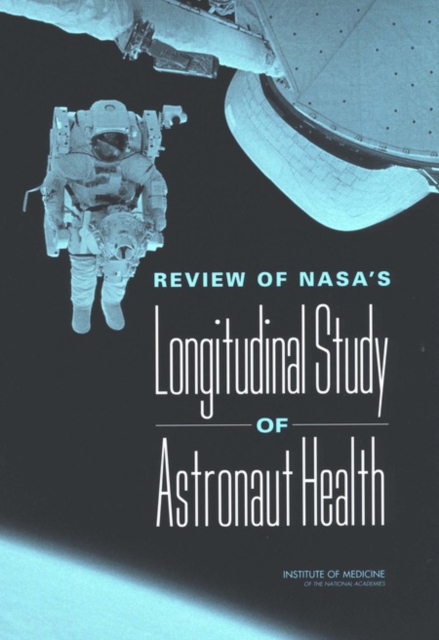
Review of NASA's Longitudinal Study of Astronaut Health
As part of its ongoing commitment to the nation's space program, NASA's medical leadership asked the Institute of Medicine (IOM) to review specific aspects of the scientific basis, policies, and procedures associated with the Longitudinal Study of Astronaut Health (LSAH).
eBook

Space physiology
The success of any space flight mission depends not only on advanced technology but also on the health and well-being of crew members. This book, written by an astronaut physician, is the first practical guide to maintaining crew members health in space. It combines research results with practical advice on such problems as bone loss, kidney stones, muscle wasting, motion sickness, loss of balance, orthostatic intolerance, weight loss, and excessive radiation exposure. Additional topics include pre-flight preparation, relevant gender differences, long-duration medical planning, post-flight rehabilitation, and the physiology of extra-vehicular activity. Designed as a handbook for space crews, this text is also an invaluable tool for all the engineers, medical personnel, and scientists who plan and execute space missions.
eBook