Catalogue Search | MBRL


Are you sure you want to remove the book from the shelf?

{{itemTitle}}
212
result(s) for
"Spokane (Wash.)--Newspapers"
Sort by:

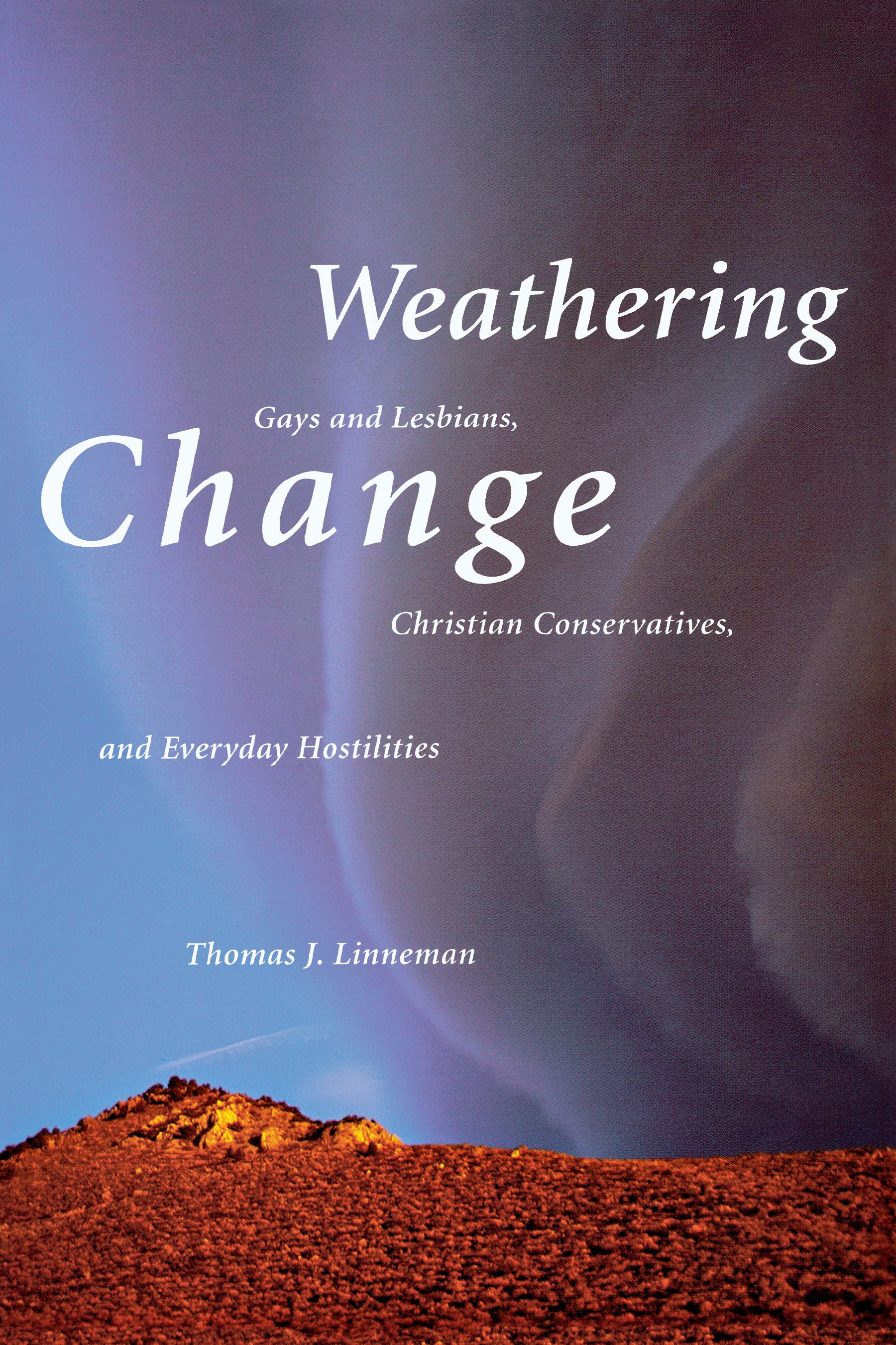
Weathering change : gays and lesbians, Christian conservatives, and everyday hostilities
The Pacific Northwest is known for its diverse, unusual politics. There are thriving gay and lesbian communities and populations of staunchly conservative Christians. Both groups wield political power out of proportion to their numbers and yet both feel beleaguered. How do members of these groups—both community leaders and everyday citizens—perceive the political climates that surround them
This book tells a tale of two Northwestern cities: Seattle, well known nationally for its liberalism, and Spokane, its conservative cousin to the east. Weathering Change characterizes the ways these liberal and conservative environments translate into hostility and hospitality for the Christian conservatives, gay men, and lesbians who live within them. Linneman gives us a firsthand account of how people from both groups think about social change in relation to the media, the public, the government, their communities, and their opposition. Indeed, we gain much needed insight into why Christian conservatives view the progress of the gay and lesbian movement as such a threat.
eBook

Spokane's Expo '74
In the late 1960s, Spokane's civic leaders were desperately looking for a way to revitalize a large section of downtown, especially a motley collection of little-used railroad lines and polluted industrial sites along the Spokane River. Their solution was to use the area for Expo '74, which was billed as the first ecologically themed world's fair. Critics predicted the project was sure to fail, as Spokane was the smallest city to ever host a world's fair, but history proved them wrong. From the minute the gates opened on May 4, 1974, the crowds loved the fair. Hosting 5.4 million visitors, with participation from several major companies and countries, Expo '74 was a success. As planned, it launched a rebirth along the river that left a permanent legacy, the popular Riverfront Park.
eBook
The Spokane River
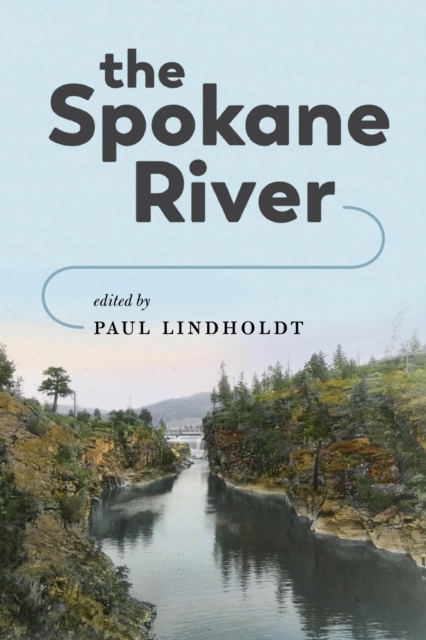
From Lake Coeur d’Alene to its confluence with the Columbia, the Spokane River travels 111 miles of varied and often spectacular terrain—rural, urban, in places wild. The river has been a trading and gathering place for Indigenous peoples for thousands of years. With bountiful trout, accessible swimming holes, and challenging rapids, it is a recreational magnet for residents and tourists alike. The Spokane also bears the legacy of industrial growth and remains caught amid interests competing over natural resources.The contributors to this collection profile this living river through personal reflection, history, science, and poetry. They bring a keen environmental awareness of resource scarcity, climate change, and cultural survival tied to the river’s fate.
eBook
Walking Washington's History
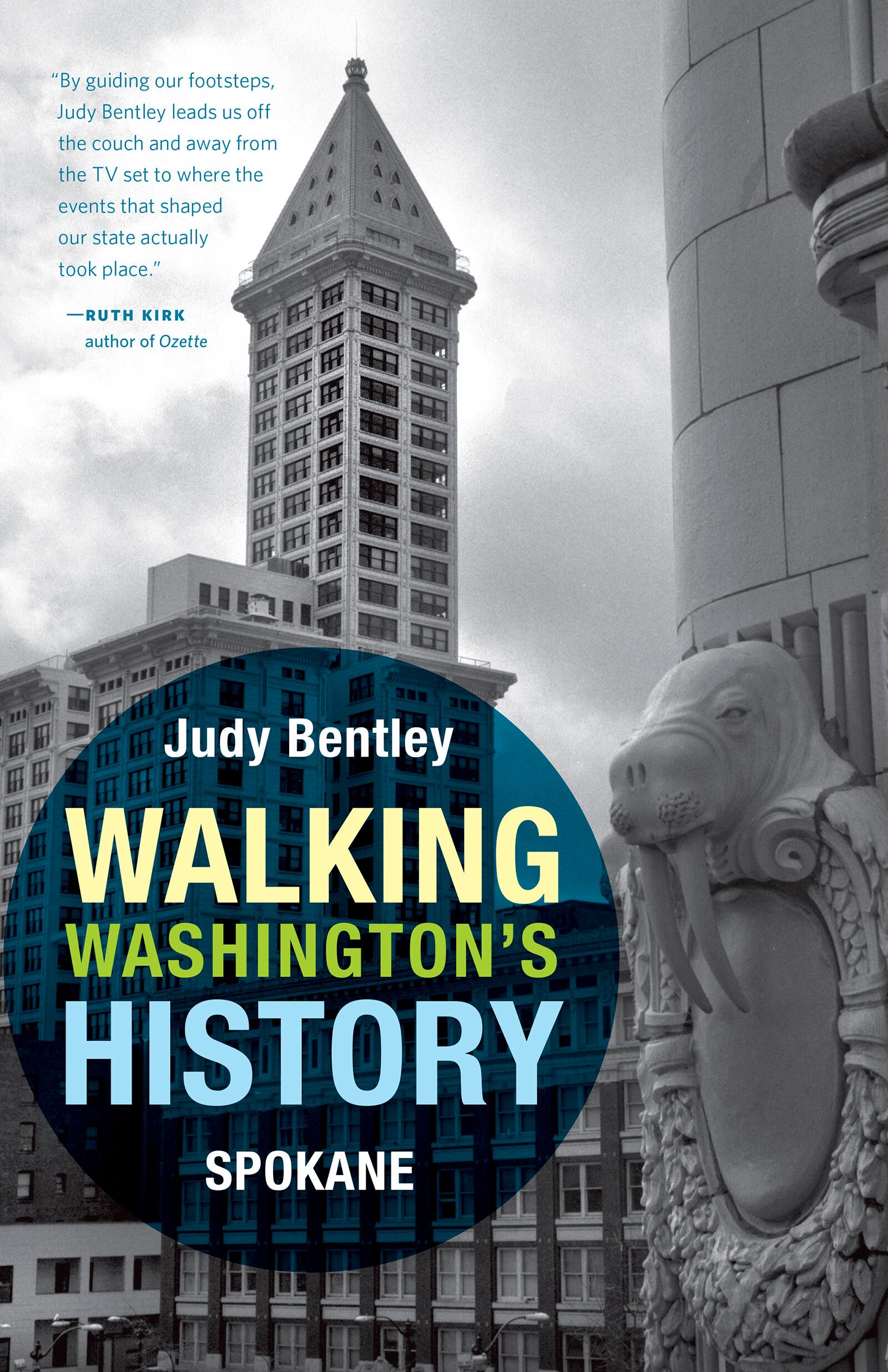
Walking Washington's History: Ten Cities, a follow-up to Judy Bentley's bestselling Hiking Washington's History, showcases the state's engaging urban history through guided walks in ten major cities. Using narrated walks, maps, and historic photographs, Bentley reveals each city's aspirations. She begins in Vancouver, established as a fur trade emporium on a plain above the Columbia River, and ends with Bellevue, a bedroom community turned edge city. In between, readers crisscross the state, with walks through urban Olympia, Walla Walla, Tacoma, Seattle, Everett, Bellingham, Yakima, and Spokane. Whether readers pass through these cities as tourists or set out to explore their home terrain, they will discover both the visible and invisible markers of Washington history underfoot.
eBook