
Catalogue Search | MBRL


Are you sure you want to remove the book from the shelf?

{{itemTitle}}
18,740
result(s) for
"Stalin"
Sort by:

رسالة إلى ستالين
مستخدما أسماء التصغير، مثل : \"سوسو\"، أو \"كوبا\"، يخاطب أرابال الزعيم جوزيف ستالين عبر رسالة طويلة، ساخرة وساخطة، مسقطا عنه صفات العظمة والتأليه، ليعود طفلا يستوجب التوبيخ. وموظفا مخزونه الفكري الضخم والمتنوع، ينقب أرابال في تفاصيل حياة ستالين، انطلاقا من شاربه الشهير، ومرورا بالنساء في حياته، والجواسيس، والأتباع الذين عملوا لصالحه، والشعراء الذين خلدوه في أبيات ركيكة، وصولا إلى ضحاياه، وهم كثر، داخل الاتحاد السوفييتي وخارجه، ومع ذلك، لا يكشف أرابال مصادر معلوماته، ولا يفرق بين الحقائق والتفاصيل المختلقة، فهو لا يسعى إلى تقديم وثيقة تاريخية بحق بقدر اهتمامه بصياغة مرافعة جدلية وأخلاقية. س بخلاف رسالته إلى الجنرال فرانكو التي أرسلها إلى الأخير، وهو على قيد الحياة، فإن مراسلة ديكتاتور ميت قد تبدو فعلا عبثيا وغير مجد، لكن أرابال في الحقيقة يوجه خطابه إلى الأحياء ممن عايشوا ستالين، أو تأثروا به لاحقا، وهو يحاول في رسالته، التي تبدو أقرب إلى مرافعة في محكمة ؛ أن يقول : إن التاريخ لا ينسى، ولا يمكن أن يطمس.
BOOK

Cold Peace
In the period from the end of World War II until his death, Stalin became an increasingly distrustful despot. He habitually picked on and humiliated members of his inner circle, had them guarded around the clock, had their correspondence decoded by secret police, bugged the lines of even his most senior deputies, and even drove several to the point of publicly betraying their spouses in order to prove their allegiance. This book argues that Stalin's behavior was not entirely paranoid and erratic but followed a clear political logic. This book contends that his system of leadership was at once both modern — Stalin vested authority in committees, elevated younger specialists, and made key institutional innovations — and patrimonial-repressive, informal, and based on personal loyalty. Always, Stalin's goal was to make the USSR a global power and, though the country teetered on the edge of violence during this period of acute domestic and international pressure, he succeeded in achieving superpower status and in holding on to power despite his old age and ill health.
eBook
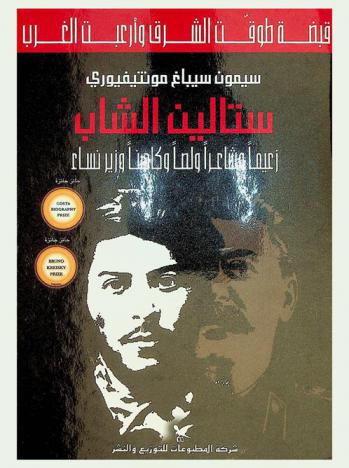
ستالين الشاب : زعيما وشاعرا ولصا وكاهنا وزير نساء : قبضة طوقت الشرق وأرعبت الغرب
خطط ودبر وشارك في السطو على المصارف وعمليات الابتراز وإحراق المباني والقرصنة والقتل. خلف ستار ما يسنى العصابات السياسية. ليس برناردو بروفنزانو زعيم المافيا، بل هو جوزف ستالين \"أو سوسو كما كانوا ينادونه\" في مرحلة شبابه التي تأخر كثيرا كشفها وإزاحة التعتيم عنها. مرحلة صبا كان خلالها ستالين عضوا في عصابة، وشاعرا وكاهنا متدرجا وعاشقا وقعت ضحيته عشرات النسوة، وخلف كثيرا من الأطفال اللقطاء. مرحلة صبا أعدته للنصر وللمآسي ولضراوة السلطة المطلقة، فلم يكن مجرد أب للعصابات بل منظم ومنفذ سياسي وخبير في خرق القوى الأمنية التابعة للقيصر. أثر بلينين ولم يكن يخشى معارضة \"ذلك العجوز\" ! عزي نجاح ستالين إلى المزج الغريب بين تربيته بمعهد اللاهوت وعنف الشوارق.
BOOK

Policing Stalin's Socialism
Policing Stalin's Socialismis one of the first books to emphasize the importance of social order repression by Stalin's Soviet regime in contrast to the traditional emphasis of historians on political repression. Based on extensive examination of new archival materials, David Shearer finds that most repression during the Stalinist dictatorship of the 1930s was against marginal social groups such as petty criminals, deviant youth, sectarians, and the unemployed and unproductive.
It was because Soviet leaders regarded social disorder as more of a danger to the state than political opposition that they instituted a new form of class war to defend themselves against this perceived threat. Despite the combined work of the political and civil police the efforts to cleanse society failed; this failure set the stage for the massive purges that decimated the country in the late 1930s.
eBook
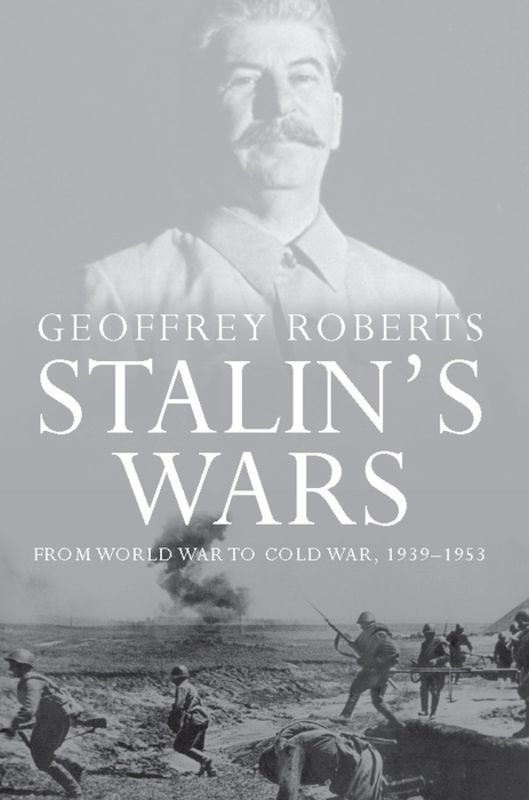
Stalin's Wars
This breakthrough book provides a detailed reconstruction of Stalin's leadership from the outbreak of the Second World War in 1939 to his death in 1953. Making use of a wealth of new material from Russian archives, Geoffrey Roberts challenges a long list of standard perceptions of Stalin: his qualities as a leader; his relationships with his own generals and with other great world leaders; his foreign policy; and his role in instigating the Cold War. While frankly exploring the full extent of Stalin's brutalities and their impact on the Soviet people, Roberts also uncovers evidence leading to the stunning conclusion that Stalin was both the greatest military leader of the twentieth century and a remarkable politician who sought to avoid the Cold War and establish a long-term detente with the capitalist world.By means of an integrated military, political, and diplomatic narrative, the author draws a sustained and compelling personal portrait of the Soviet leader. The resulting picture is fascinating and contradictory, and it will inevitably change the way we understand Stalin and his place in history. Roberts depicts a despot who helped save the world for democracy, a personal charmer who disciplined mercilessly, a utopian ideologue who could be a practical realist, and a warlord who undertook the role of architect of post-war peace.
eBook

On Stalin's Team
Joseph Stalin was the unchallenged dictator of the Soviet Union for so long that most historians have dismissed the officials surrounding him as mere yes-men.On Stalin's Team overturns this view, revealing that behind Stalin were a dozen or so loyal and competent men who formed a remarkably effective team from the late 1920s until his death in.
eBook

Stalinist City Planning
By examining how planners and other urban inhabitants experienced, lived, and struggled with socialism and Stalinism, DeHaan offers readers a much broader, more complex picture of planning and planners than has been revealed to date.
eBook