
Catalogue Search | MBRL


Are you sure you want to remove the book from the shelf?

{{itemTitle}}
468,032
result(s) for
"Substance"
Sort by:

Over the influence : the harm reduction guide to controlling your drug and alcohol use
\"Just say no\" just doesn't work for everyone. Presenting a powerful alternate to abstinence-only addictions treatments, this empathic, nonjudgmental resource has already helped thousands set and meet their own goals for gaining control over alcohol and drugs. The science of harm reduction is translated into step-by-step strategies that readers can use to figure out which aspects of their habits may be harmful, what they would like to change, and how to put their intentions into action. Updated to reflect a decade's worth of research, the fully revised second edition is even more practical and reader friendly. It features additional concrete examples, engaging graphics, new worksheets (which can be downloaded and printed for repeated use), \"Self-Reflection\" boxes, and more.-- Source other than Library of Congress.
Book
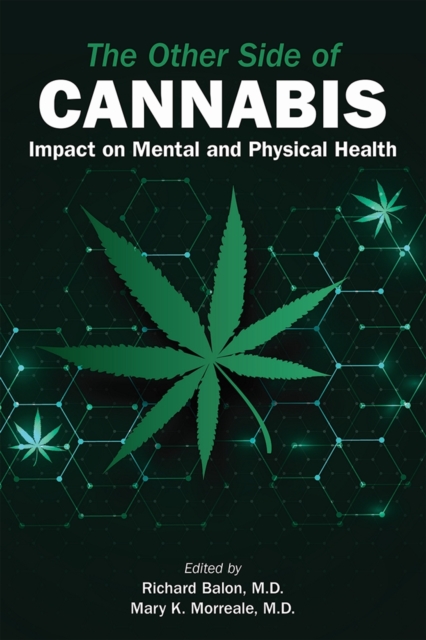
The Other Side of Cannabis
Although federal law in the United States still prohibits the use, possession, and sale of cannabis containing more than 0.3% THC, 24 states, the District of Columbia, and three U.S. territories have legalized the recreational use of marijuana. This trend is also seen in other countries, including Canada, South Africa, and Uruguay. Studies show that the prevalence of cannabis use disorder among people who use cannabis is relatively high. As the business of cannabis—both legal and illicit—and its use continue to grow, mental health and medical professionals must be prepared to address the effects of cannabis on the mind and body. Equipping providers with the relevant information is the intention of The Other Side of Cannabis. Relying on the insights of experts from around the world, this volume examines, among many other topics: • The frequency of use and deleterious effects of cannabis on adolescents, adults, and older adults• The link between cannabis and psychosis• The relationship between cannabis and posttraumatic stress disorder and anxiety disorders• The effects of cannabis on fertility—both male and female• The mechanisms and efficacy of cannabinoids on treating chronic pain Extensively referenced, this guide is rich in figures and tables for ease of reference. Key points at the end of each chapter aid in the retention and recall of the most important information. Readers will come away with a comprehensive understanding of the detrimental impact of cannabis use and be better positioned to educate patients, the public, and policymakers.
eBook


Substance Use in Older Adults
By 2050, 85.7 million people in the United States are projected to be 65 or older. Older adults are especially prone to the effects of substances, and a 2021 survey showed that 4 million older adults were dealing with a substance use disorder. As the country's population ages, clinicians will inevitably have to care for a greater number of older adults with substance use disorders, but the literature on the topic—and the evidence base for treatment—is limited. In Substance Use in Older Adults, more than 20 contributors translate their real-world experience in geriatric psychiatry into an accessible, evidence-based guide to screening for and assessing substance use in older adults. Early chapters discuss not only etiology and epidemiology but also comorbidities and management and subsequent sections address the problematic use of specific substances, including • Alcohol• Tobacco• Opioids• Sedatives• Stimulants• Cannabinoids Readers will find guidance on safe prescribing practices for older patients, as well as an examination of the cultural and ethical issues that may arise when working with this patient population. Rife with case examples that illustrate key points in clinical practice, Substance Use in Older Adults also features numerous tables that can be referenced time and again with information on comorbidities, screening frameworks, and interventions for specific substances; stigma-reducing language; the pharmacological implications of physiological changes in older adults; and more. Clinicians from psychiatric professionals to primary care providers will benefit from exhaustive listings of additional resources. This guide also includes resources for patients, families, and caregivers that will help to strengthen the partnership between clinician and patient.
eBook
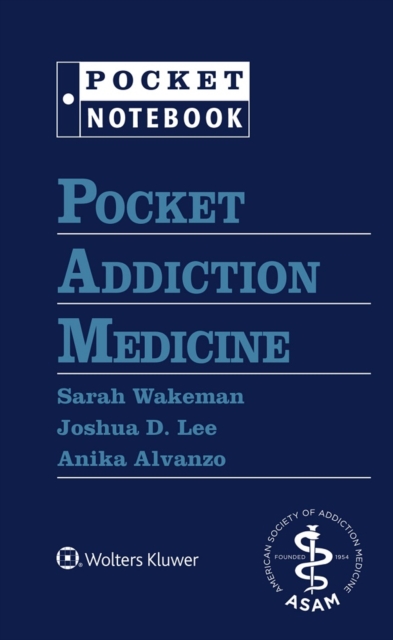
Pocket Addiction Medicine
A new volume in the bestselling Pocket Notebook series, Pocket Addiction Medicine delivers highly relevant coverage of this widespread and increasing health care problem in an easily portable source.Edited by physician leaders in Addiction Medicine, Drs.Sarah E.Wakeman, Joshua D.
eBook


Long-Term Effects of the Communities That Care Trial on Substance Use, Antisocial Behavior, and Violence Through Age 21 Years
Objectives. To evaluate whether the effects of the Communities That Care (CTC) prevention system, implemented in early adolescence to promote positive youth development and reduce health-risking behavior, endured through age 21 years. Methods. We analyzed 9 waves of prospective data collected between 2004 and 2014 from a panel of 4407 participants (grade 5 through age 21 years) in the community-randomized trial of the CTC system in Colorado, Illinois, Kansas, Maine, Oregon, Utah, and Washington State. We used multilevel models to evaluate intervention effects on sustained abstinence, lifetime incidence, and prevalence of past-year substance use, antisocial behavior, and violence. Results. The CTC system increased the likelihood of sustained abstinence from gateway drug use by 49% and antisocial behavior by 18%, and reduced lifetime incidence of violence by 11% through age 21 years. In male participants, the CTC system also increased the likelihood of sustained abstinence from tobacco use by 30% and marijuana use by 24%, and reduced lifetime incidence of inhalant use by 18%. No intervention effects were found on past-year prevalence of these behaviors. Conclusions. Implementation of the CTC prevention system in adolescence reduced lifetime incidence of health-risking behaviors into young adulthood. Clinicaltrials.gov identifier: NCT01088542.
Journal Article

The life of the heroin user : typical beginnings, trajectories and outcomes
\"Heroin is a worldwide scourge and a seemingly intractable one. The Life of the Heroin User: Typical Beginnings, Trajectories and Outcomes is the first book to apply a biographical approach to the lifecycle of the heroin user from birth until death. Chapters address each stage of the user's life, including childhood, routes to use, the development of dependence, problems arising from addiction, death and options for treatment and prevention. Drawing on over two decades of experience in the field of opium research, Shane Darke examines major theoretical approaches to the development of opiate dependence and the efficacy of treatment options for opiate dependence. Key points are presented at the end of each chapter. The most detailed review available of what is likely to happen to the dependent heroin user, this is an important book for clinicians, researchers and students in the fields of drug and alcohol studies and public health\"-- Provided by publisher.
Book

Discussing the concept of substance-induced psychosis (SIP)
Substance-induced psychosis (SIP) is characterized by both substance use and a psychotic state, and it is assumed that the first causes the latter. In ICD-10 the diagnosis is categorized as and grouped together with substance use disorders, and to a large extent also treated as such in the health care system. Though criticism of the diagnostic construct of SIP dates back several decades, numerous large and high-quality studies have been published during the past 5–10 years that substantiate and amplify this critique. The way we understand SIP and even how we name it is of major importance for treatment and it has judicial consequences. It has been demonstrated that substance use alone is not sufficient to cause psychosis, and that other risk factors besides substance use are at play. These are risk factors that are also known to be associated with schizophrenia spectrum disorders. Furthermore, register-based studies from several different countries find that a large proportion, around one in four, of those who are initially diagnosed with an SIP over time are subsequently diagnosed with a schizophrenia spectrum disorder. This scoping review discusses the construct validity of SIP considering recent evidence. We challenge the immanent causal assumption in SIP, and advocate that the condition shares many features with the schizophrenia spectrum disorders. In conclusion, we argue that SIP just as well could be considered a first-episode psychotic disorder in patients with substance use.
Journal Article