
Catalogue Search | MBRL


Are you sure you want to remove the book from the shelf?

{{itemTitle}}
98,516
result(s) for
"Substance use"
Sort by:

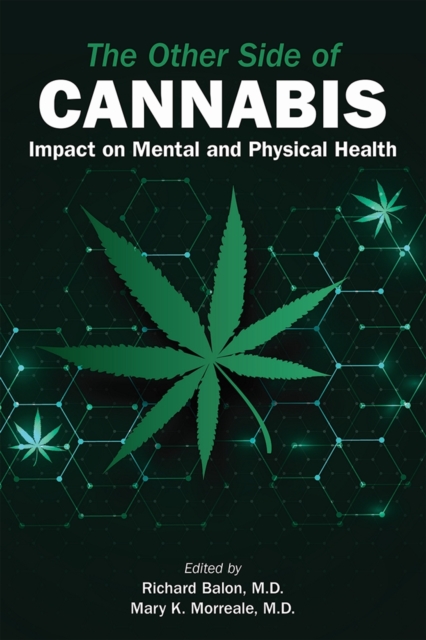
The Other Side of Cannabis
Although federal law in the United States still prohibits the use, possession, and sale of cannabis containing more than 0.3% THC, 24 states, the District of Columbia, and three U.S. territories have legalized the recreational use of marijuana. This trend is also seen in other countries, including Canada, South Africa, and Uruguay. Studies show that the prevalence of cannabis use disorder among people who use cannabis is relatively high. As the business of cannabis—both legal and illicit—and its use continue to grow, mental health and medical professionals must be prepared to address the effects of cannabis on the mind and body. Equipping providers with the relevant information is the intention of The Other Side of Cannabis. Relying on the insights of experts from around the world, this volume examines, among many other topics: • The frequency of use and deleterious effects of cannabis on adolescents, adults, and older adults• The link between cannabis and psychosis• The relationship between cannabis and posttraumatic stress disorder and anxiety disorders• The effects of cannabis on fertility—both male and female• The mechanisms and efficacy of cannabinoids on treating chronic pain Extensively referenced, this guide is rich in figures and tables for ease of reference. Key points at the end of each chapter aid in the retention and recall of the most important information. Readers will come away with a comprehensive understanding of the detrimental impact of cannabis use and be better positioned to educate patients, the public, and policymakers.
eBook


Substance Use in Older Adults
By 2050, 85.7 million people in the United States are projected to be 65 or older. Older adults are especially prone to the effects of substances, and a 2021 survey showed that 4 million older adults were dealing with a substance use disorder. As the country's population ages, clinicians will inevitably have to care for a greater number of older adults with substance use disorders, but the literature on the topic—and the evidence base for treatment—is limited. In Substance Use in Older Adults, more than 20 contributors translate their real-world experience in geriatric psychiatry into an accessible, evidence-based guide to screening for and assessing substance use in older adults. Early chapters discuss not only etiology and epidemiology but also comorbidities and management and subsequent sections address the problematic use of specific substances, including • Alcohol• Tobacco• Opioids• Sedatives• Stimulants• Cannabinoids Readers will find guidance on safe prescribing practices for older patients, as well as an examination of the cultural and ethical issues that may arise when working with this patient population. Rife with case examples that illustrate key points in clinical practice, Substance Use in Older Adults also features numerous tables that can be referenced time and again with information on comorbidities, screening frameworks, and interventions for specific substances; stigma-reducing language; the pharmacological implications of physiological changes in older adults; and more. Clinicians from psychiatric professionals to primary care providers will benefit from exhaustive listings of additional resources. This guide also includes resources for patients, families, and caregivers that will help to strengthen the partnership between clinician and patient.
eBook

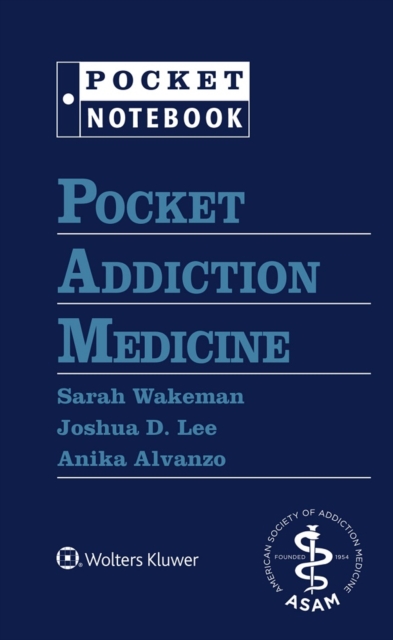
Pocket Addiction Medicine
A new volume in the bestselling Pocket Notebook series, Pocket Addiction Medicine delivers highly relevant coverage of this widespread and increasing health care problem in an easily portable source.Edited by physician leaders in Addiction Medicine, Drs.Sarah E.Wakeman, Joshua D.
eBook


National Prevalence of Alcohol and Other Substance Use Disorders Among Emergency Department Visits and Hospitalizations: NHAMCS 2014–2018
BackgroundAcute healthcare utilization attributed to alcohol use disorders (AUD) and other substance use disorders (SUD) is rising.ObjectiveTo describe the prevalence and characteristics of emergency department (ED) visits and hospitalizations made by adults with AUD or SUD.Design, Setting, and ParticipantsObservational study with retrospective analysis of the National Hospital Ambulatory Medical Care Survey (2014 to 2018), a nationally representative survey of acute care visits with information on the presence of AUD or SUD abstracted from the medical chart.Main MeasuresOutcome measured as the presence of AUD or SUD.Key ResultsFrom 2014 to 2018, the annual average prevalence of AUD or SUD was 9.4% of ED visits (9.3 million visits) and 11.9% hospitalizations (1.4 million hospitalizations). Both estimates increased over time (30% and 57% relative increase for ED visits and hospitalizations, respectively, from 2014 to 2018). ED visits and hospitalizations from individuals with AUD or SUD, compared to individuals with neither AUD nor SUD, had higher percentages of Medicaid insurance (ED visits: AUD: 33.1%, SUD: 35.0%, neither: 24.4%; hospitalizations: AUD: 30.7%, SUD: 36.3%, neither: 14.8%); homelessness (ED visits: AUD: 6.2%, SUD 4.4%, neither 0.4%; hospitalizations: AUD: 5.9%, SUD 7.3%, neither: 0.4%); coexisting depression (ED visits: AUD: 26.3%, SUD 24.7%, neither 10.5%; hospitalizations: AUD: 33.5%, SUD 35.3%, neither: 13.9%); and injury/trauma (ED visits: AUD: 51.3%, SUD 36.3%, neither: 26.4%; hospitalizations: AUD: 31.8%, SUD: 23.8%, neither: 15.0%).ConclusionsIn this nationally representative study, 1 in 11 ED visits and 1 in 9 hospitalizations were made by adults with AUD or SUD, and both increased over time. These estimates are higher or similar than previous national estimates using claims data. This highlights the importance of identifying opportunities to address AUD and SUD in acute care settings in tandem with other medical concerns, particularly among visits presenting with injury, trauma, or coexisting depression.
Journal Article

Inpatient Addiction Medicine Consultation and Post-Hospital Substance Use Disorder Treatment Engagement: a Propensity-Matched Analysis
BackgroundHospitalizations due to medical and surgical complications of substance use disorder (SUD) are rising. Most hospitals lack systems to treat SUD, and most people with SUD do not engage in treatment after discharge.ObjectiveDetermine the effect of a hospital-based addiction medicine consult service, the Improving Addiction Care Team (IMPACT), on post-hospital SUD treatment engagement.DesignCohort study using multivariable analysis of Oregon Medicaid claims comparing IMPACT patients with propensity-matched controls.Participants18–64-year-old Oregon Medicaid beneficiaries with SUD, hospitalized at an Oregon hospital between July 1, 2015, and September 30, 2016. IMPACT patients (n = 208) were matched to controls (n = 416) using a propensity score that accounted for SUD, gender, age, race, residence region, and diagnoses.InterventionsIMPACT included hospital-based consultation care from an interdisciplinary team of addiction medicine physicians, social workers, and peers with lived experience in recovery. IMPACT met patients during hospitalization; offered pharmacotherapy, behavioral treatments, and harm reduction services; and supported linkages to SUD treatment after discharge.OutcomesHealthcare Effectiveness Data and Information Set (HEDIS) measure of SUD treatment engagement, defined as two or more claims on two separate days for SUD care within 34 days of discharge.ResultsOnly 17.2% of all patients were engaged in SUD treatment before hospitalization. IMPACT patients engaged in SUD treatment following discharge more frequently than controls (38.9% vs. 23.3%, p < 0.01; aOR 2.15, 95% confidence interval [CI] 1.29–3.58). IMPACT participation remained associated with SUD treatment engagement when limiting the sample to people who were not engaged in treatment prior to hospitalization (aOR 2.63; 95% CI 1.46–4.72).ConclusionsHospital-based addiction medicine consultation can improve SUD treatment engagement, which is associated with reduced substance use, mortality, and other important clinical outcomes. National expansion of such models represents an opportunity to address an enduring gap in the SUD treatment continuum.
Journal Article