
Catalogue Search | MBRL


Are you sure you want to remove the book from the shelf?

{{itemTitle}}
451,953
result(s) for
"Substances"
Sort by:

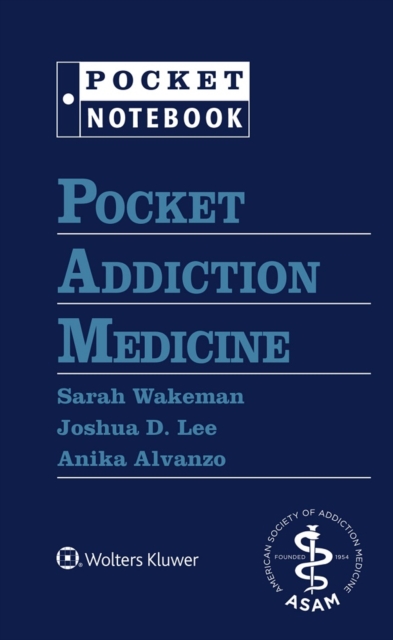
Pocket Addiction Medicine
A new volume in the bestselling Pocket Notebook series, Pocket Addiction Medicine delivers highly relevant coverage of this widespread and increasing health care problem in an easily portable source. Edited by physician leaders in Addiction Medicine, Drs. Sarah E. Wakeman, Joshua D. Lee, and Anika Alvanzo and co-published with the American Society of Addiction Medicine (ASAM), this handbook provides must-know information on everything from screening for and diagnosis of substance use disorder to managing intoxication and withdrawal, to ongoing treatment of substance use disorder, including caring for special populations-all designed for quick reference at the point of care. Using the popular, easy-access Pocket Notebook format, it puts key clinical information about a broad range of issues in addiction medicine at your fingertips in seconds.
eBook

Hazardous chemicals : agents of risk and change, 1800-2000
Although poisonous substances have been a hazard for the whole of human history, it is only with the rise of industrial chemistry over the last two centuries that toxic, manmade pollutants have become such a varied and widespread danger. Covering a host of both notorious and little-known substances, the chapters in this collection investigate the emergence of specific toxic, pathogenic, carcinogenic, and ecologically harmful chemicals as well as the scientific, cultural and legislative responses they have prompted. Each study situates chemical hazards in a long-term and transnational framework and demonstrates the importance of considering both the natural and the social contexts in which their histories have unfolded.
Book

Substance Use in Older Adults
By 2050, 85.7 million people in the United States are projected to be 65 or older. Older adults are especially prone to the effects of substances, and a 2021 survey showed that 4 million older adults were dealing with a substance use disorder. As the country's population ages, clinicians will inevitably have to care for a greater number of older adults with substance use disorders, but the literature on the topic—and the evidence base for treatment—is limited.
In Substance Use in Older Adults, more than 20 contributors translate their real-world experience in geriatric psychiatry into an accessible, evidence-based guide to screening for and assessing substance use in older adults. Early chapters discuss not only etiology and epidemiology but also comorbidities and management and subsequent sections address the problematic use of specific substances, including
• Alcohol• Tobacco• Opioids• Sedatives• Stimulants• Cannabinoids
Readers will find guidance on safe prescribing practices for older patients, as well as an examination of the cultural and ethical issues that may arise when working with this patient population.
Rife with case examples that illustrate key points in clinical practice, Substance Use in Older Adults also features numerous tables that can be referenced time and again with information on comorbidities, screening frameworks, and interventions for specific substances; stigma-reducing language; the pharmacological implications of physiological changes in older adults; and more.
Clinicians from psychiatric professionals to primary care providers will benefit from exhaustive listings of additional resources. This guide also includes resources for patients, families, and caregivers that will help to strengthen the partnership between clinician and patient.
eBook

Scripting addiction
Scripting Addictiontakes readers into the highly ritualized world of mainstream American addiction treatment. It is a world where clinical practitioners evaluate how drug users speak about themselves and their problems, and where the ideal of \"healthy\" talk is explicitly promoted, carefully monitored, and identified as the primary sign of therapeutic progress. The book explores the puzzling question: why do addiction counselors dedicate themselves to reconciling drug users' relationship to language in order to reconfigure their relationship to drugs?
To answer this question, anthropologist Summerson Carr traces the charged interactions between counselors, clients, and case managers at \"Fresh Beginnings,\" an addiction treatment program for homeless women in the midwestern United States. She shows that shelter, food, and even the custody of children hang in the balance of everyday therapeutic exchanges, such as clinical assessments, individual therapy sessions, and self-help meetings. Acutely aware of the high stakes of self-representation, experienced clients analyze and learn to effectively perform prescribed ways of speaking, a mimetic practice they call \"flipping the script.\"
As a clinical ethnography,Scripting Addictionexamines how decades of clinical theorizing about addiction, language, self-knowledge, and sobriety is manifested in interactions between counselors and clients. As an ethnography of the contemporary United States, the book demonstrates the complex cultural roots of the powerful clinical ideas that shape therapeutic transactions--and by extension administrative routines and institutional dynamics--at sites such as \"Fresh Beginnings.\"
eBook

Diagnosis and Management of Anabolic Androgenic Steroid Use
Abstract
Context
The lifetime prevalence of anabolic androgenic steroid (AAS) use is estimated at 1% to 5% worldwide. AAS use occurs primarily male elite athletes and men who want a muscular appearance. The evidence for effective, safe management of AAS cessation and withdrawal is weak.
Design
Key studies were extracted from PubMed (1990–2018) and Google Scholar with reference searches from relevant retrieved articles.
Results
The proven adverse effects of AASs include suppression of the gonadal axis and infertility, hirsutism and defeminization in women, and erythrocytosis. Alkylated AASs that are taken orally may cause hepatopathy. There is an association between high-dosage AAS use and increased risk of cardiovascular disease. Clues for AAS use include very low serum high-density cholesterol and sex hormone–binding globulin concentrations and unexplained erythrocytosis. For elite athletes, the biological passport (monitoring of blood or urinary androgen and androgen precursor concentrations after determining the athlete’s baseline) is useful for detecting AAS use. For nonelite athletes, the best method to confirm AAS use is to inquire in a nonjudgmental manner. Cessation of chronic AAS use is associated with a withdrawal syndrome of anxiety and depression.
Conclusions
Men who use AASs <1 year typically recover normal hypothalamic-pituitary-testicular axis function within 1 year after cessation. Men who have infertility due to high-dosage AAS use ≥1 year might benefit from short-term treatment with clomiphene or human chorionic gonadotropin.
AAS use suppresses gonadal function. Many AAS users return to normal gonadal function after discontinuation of AAS, but some might benefit from medical therapy.
Journal Article

Prudent practices in the laboratory: handling and management of chemical hazards
Prudent Practices in the Laboratory--the book that has served for decades as the standard for chemical laboratory safety practice--now features updates and new topics. This revised edition has an expanded chapter on chemical management and delves into new areas, such as nanotechnology, laboratory security, and emergency planning.Developed by experts from academia and industry, with specialties in such areas as chemical sciences, pollution prevention, and laboratory safety, Prudent Practices in the Laboratory provides guidance on planning procedures for the handling, storage, and disposal of chemicals. The book offers prudent practices designed to promote safety and includes practical information on assessing hazards, managing chemicals, disposing of wastes, and more.Prudent Practices in the Laboratory will continue to serve as the leading source of chemical safety guidelines for people working with laboratory chemicals: research chemists, technicians, safety officers, educators, and students.
eBook