
Catalogue Search | MBRL


Are you sure you want to remove the book from the shelf?

{{itemTitle}}
9,208
result(s) for
"Sugar Health aspects."
Sort by:

Good sugar, bad sugar : how to power your body and brain with healthy energy
\"A guide to replacing bad sugars in your diet with good sugars for physical, emotional, and mental healing and more energy\"--Provided by publisher\"-- Provided by publisher.
Book

Guideline
The objective of this guideline is to provide recommendations on the consumption of free sugars to reduce the risk of NCDs in adults and children particularly focusing on the prevention and control of unhealthy weight gain and dental caries. This is in recognition of the rapidly growing epidemic of overweight and obesity around the globe and its role as a risk factor for several NCDs. In addition dental caries is the most common NCD and the cost of treatment places a heavy burden on health-care budgets in many countries. The recommendations in this guideline can be used by policy-makers and programme managers to assess current levels of free sugars intake in their countries relative to a benchmark and to develop measures to decrease free sugars intake where necessary through a range of public health interventions. Following the work of the 1989 WHO Study Group on Diet Nutrition and Prevention of Noncommunicable Diseases the 2002 joint WHO/FAO Expert Consultation on Diet Nutrition and the Prevention of Chronic Diseases updated the guidance on the free sugars intake as part of the guidance on population nutrient intake goals for the prevention of noncommunicable diseases (NCDs). Today debates continue as to whether the available evidence of adverse health effects related to free sugars intake warrants appreciable reduction in free sugars intake. Therefore it was considered important to review the existing evidence in a systematic manner and update WHO's guidance on free sugars intake through the new WHO guideline development process.
eBook
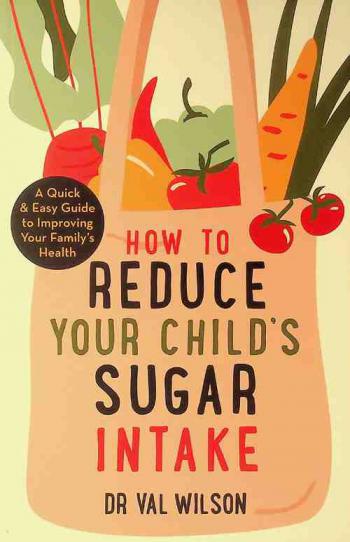
How to reduce your child's sugar intake : a quick and easy guide to improving your family's health
An honest and realistic guide to reducing sugar in your family's diet and improving their health for good. We are surrounded by sugar. Do your children beg you to buy unhealthy sugary snacks at the supermarket, and kick up a tantrum if you refuse? Perhaps you crave sweet treats, bread, pasta and sauce-laden food yourself. Do you experience lethargy and mood swings as a result of blood glucose spikes and dips? If the answer is yes to any of these questions, your family's health is at risk. Dr Val Wilson can help. Having lived with Type 1 diabetes for more than four decades, her relationship with sugar has at times been very unhealthy. But with the information in this book. How to Reduce Your Child's Sugar Intake is packed with recent scientific research and nutritional advice to help you understand addiction to sugar and conquer it. It provides meal plans and recipes, and includes journal exercises to help you break free from the mental, physical and emotional traps of old eating patterns. This book shows the way to a sustainable sugar-free lifestyle. Its simple and effective programme to quit sugar will enable you and your family to enjoy dramatically improved health, increased energy levels and weight loss.

Dietary trehalose enhances virulence of epidemic Clostridium difficile
Clostridium difficile
disease has recently increased to become a dominant nosocomial pathogen in North America and Europe, although little is known about what has driven this emergence. Here we show that two epidemic ribotypes (RT027 and RT078) have acquired unique mechanisms to metabolize low concentrations of the disaccharide trehalose. RT027 strains contain a single point mutation in the trehalose repressor that increases the sensitivity of this ribotype to trehalose by more than 500-fold. Furthermore, dietary trehalose increases the virulence of a RT027 strain in a mouse model of infection. RT078 strains acquired a cluster of four genes involved in trehalose metabolism, including a PTS permease that is both necessary and sufficient for growth on low concentrations of trehalose. We propose that the implementation of trehalose as a food additive into the human diet, shortly before the emergence of these two epidemic lineages, helped select for their emergence and contributed to hypervirulence.
Two hypervirulent ribotypes of the enteric pathogen
Clostridium difficile
, RT027 and RT078, have independently acquired unique mechanisms to metabolize low concentrations of the disaccharide trehalose, suggesting a correlation between the emergence of these ribotypes and the widespread adoption of trehalose in the human diet.
The rise of an intestinal epidemic
Clostridium difficile
is an intestinal pathogen and a major cause of antibiotic-associated diarrhoea. In epidemics in recent years, hypervirulent ribotypes that cause severe disease have emerged, but the factors that contribute to their emergence are unclear. In this study, Robert Britton and colleagues show that two phylogenetically distinct hypervirulent ribotypes, RT027 and RT078, have independently acquired mechanisms to metabolize low concentrations of the disaccharide trehalose. The team also show that this ability to metabolize trehalose correlates with disease severity in a humanized mouse model. These data suggest a correlation between the emergence of these ribotypes and the widespread adoption and use of trehalose as a sugar additive in the human diet.
Journal Article

Salty and sugary snacks : the incredibly disgusting story
This book describes how salty and sugary snacks put dangerous amounts of sugar and salt into our bodies and how these unnecessary calories can have terrible effects on the body.
Book

Inequalities in oral health: estimating the longitudinal economic burden of dental caries by deprivation status in six countries
Background
The recent World Health Organization (WHO) resolution on oral health urges pivoting to a preventive approach and integration of oral health into the non-communicable diseases agenda. This study aimed to: 1) explore the healthcare costs of managing dental caries between the ages of 12 and 65 years across socioeconomic groups in six countries (Brazil, France, Germany, Indonesia, Italy, UK), and 2) estimate the potential reduction in direct costs from non-targeted and targeted oral health-promoting interventions.
Methods
A cohort simulation model was developed to estimate the direct costs of dental caries over time for different socioeconomic groups. National-level DMFT (dentine threshold) data, the relative likelihood of receiving an intervention (such as a restorative procedure, tooth extraction and replacement), and clinically-guided assumptions were used to populate the model. A hypothetical group of upstream and downstream preventive interventions were applied either uniformly across all deprivation groups to reduce caries progression rates by 30% or in a levelled-up fashion with the greatest gains seen in the most deprived group.
Results
The population level direct costs of caries from 12 to 65 years of age varied between US10.2 billion in Italy to US$36.2 billion in Brazil. The highest per-person costs were in the UK at US$22,910 and the lowest in Indonesia at US$7,414. The per-person direct costs were highest in the most deprived group across Brazil, France, Italy and the UK. With the uniform application of preventive measures across all deprivation groups, the greatest reduction in per-person costs for caries management was seen in the most deprived group across all countries except Indonesia. With a levelling-up approach, cost reductions in the most deprived group ranged from US$3,948 in Indonesia to US$17,728 in the UK.
Conclusion
Our exploratory analysis shows the disproportionate economic burden of caries in the most deprived groups and highlights the significant opportunity to reduce direct costs via levelling-up preventive measures. The healthcare burden stems from a higher baseline caries experience and greater annual progression rates in the most deprived. Therefore, preventive measures should be start early, with a focus on lowering early childhood caries and continue through the life course.
Journal Article

Breaking up with sugar : a plan to divorce the diets, drop the pounds, and live your best life
\"A proven plan to break free from your unhealthy relationship with Sugar - and reclaim your health and your life for good\"-- Provided by publisher.
Book
Sugar-sweetened beverages: consumption, purchasing behaviour, and opinions about policy measures in a nationally representative panel of Dutch secondary school adolescents
Despite substantial public health efforts, reducing adolescents’ sugar-sweetened beverage (SSB) consumption remains challenging. While much is known about determinants, the underlying motivations for sustained popularity remain unclear. This study aims to (1) gain insights into the prevalence of perceptions and contextual influences surrounding SSB purchase and consumption in a representative sample of Dutch adolescents; and (2) to investigate adolescents’ opinions on presumed effects of policies to reduce SSB consumption. A cross-sectional, nationally representative survey in June 2021 among 839 Dutch students aged 12–16 was conducted, using an online questionnaire to assess dietary behaviours, including weekly consumption of SSBs (glasses/week). The results showed that over two-thirds of adolescents (72.6%) agreed that ‘Drinking soft drinks is normal.’ Across all adolescents, average consumption was 9.5 glasses per week; over half (51.7%) were defined as high consumers (≥ 7 glasses/week). Adolescents with constant home availability of SSBs had 14 times higher odds of being high consumers (95% CI 12.32–14.48), a significant association; they also tended to purchase SSBs more frequently and spent significantly more money on them, compared to those without home availability. Nearly half (49.7%) agreed that price increases would reduce their consumption. Overall, this study confirms that SSBs are widely consumed by adolescents and perceived as a normal, everyday choice. This normalization is reinforced by their availability and low cost. Fiscal measures and targeted interventions in settings such as supermarkets hold promise for reducing SSB consumption. Future research should explore alternatives to SSBs and assess the effectiveness of relevant policies to reduce consumption.
Journal Article

Fat chance : the hidden truth about sugar, obesity and disease
Sugar is toxic, addictive and everywhere. So what chance do you have of living sugar-free? With busy lives and little time left for cooking we find ourselves relying on a diet of processed food. But this is what's responsible for our chronically expanding waistlines, soaring levels of diabetes and a catalogue of diseases. Dr Robert Lustig reveals the truth about our sugar-laden food: why conventional low-fat weight loss advice won't work, not every calorie is the same, and skipping lunch doesn't mean it's ok to eat dessert, why too much sugar can cause serious illness even if you are not overweight, how the food industry is filling our diets with hidden sugars - and which foods you must cut out to avoid them and how governments are complacent about, and even complicit in, exacerbating our food debacle. He will radically change the way you see your food and give you more than a fat chance of a healthier, happier and smarter life!
Book

Dietary Sugar Exposure and Oral Health Status in Children with Autism Spectrum Disorder: A Case-control Study
This case-control study compared dietary sugar exposure and oral health status between children with and without Autism Spectrum Disorder (ASD), aged 5–12 years (n = 136, each). Data regarding socio-demographics, child’s oral hygiene practices and behavior, diet-related behavior, oral habits and dental trauma were obtained. Child’s diet on the previous day was recorded using 24-h recall method and sugar exposure was calculated using Dental Diet Diary (D3) mobile application. Oral Hygiene Index-Simplified (OHI-S), deft and DMFT were recorded. Results showed no significant differences in sugar exposure, deft and DMFT between the groups. Although oral hygiene practices were significantly better in children with ASD, their OHI-S was significantly worse. Significantly more children with ASD reported mouth-breathing, bruxism and self-injurious habits.
Journal Article