
Catalogue Search | MBRL


Are you sure you want to remove the book from the shelf?

{{itemTitle}}
620
result(s) for
"Superheroes in literature."
Sort by:

Spectacular superheroes : learn to draw more than 20 powerful defenders of the universe
It's never been so easy and fun to learn to draw spectacularly super characters step by step. Whether you draw a pizza-loving super pooch, a fire-wielding hero, or a lightning-fast runner, this book has everything you need to get started!\"--Provided by publisher.
Book
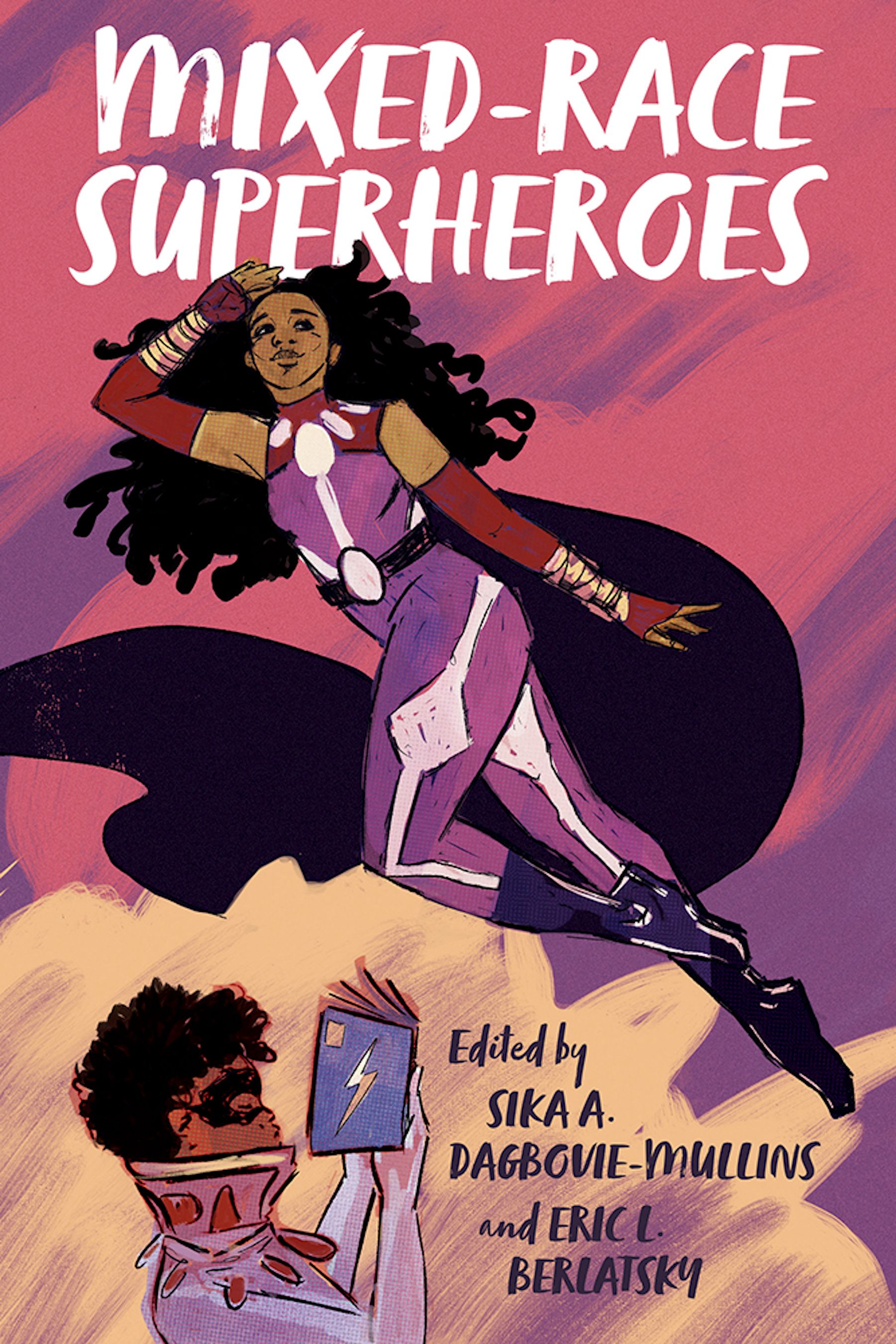
Mixed-Race Superheroes
American culture has long represented mixed-race identity in paradoxical terms. On the one hand, it has been associated with weakness, abnormality, impurity, transgression, shame, and various pathologies; however, it can also connote genetic superiority, exceptional beauty, and special potentiality. This ambivalence has found its way into superhero media, which runs the gamut from Ant-Man and the Wasp’s tragic mulatta villain Ghost to the cinematic depiction of Aquaman as a heroic “half-breed.” The essays in this collection contend with the multitude of ways that racial mixedness has been presented in superhero comics, films, television, and literature. They explore how superhero media positions mixed-race characters within a genre that has historically privileged racial purity and propagated images of white supremacy. The book considers such iconic heroes as Superman, Spider-Man, and The Hulk, alongside such lesser-studied characters as Valkyrie, Dr. Fate, and Steven Universe. Examining both literal and symbolic representations of racial mixing, this study interrogates how we might challenge and rewrite stereotypical narratives about mixed-race identity, both in superhero media and beyond.
eBook

How to draw Batman, Superman, and other DC super heroes and villains
\"Step-by-step instructions teach readers how to draw DC super heroes and their friends and enemies\"-- Provided by publisher.
Book

Comic connections
With the popularity of comic adaptations on television and at the movies, these current topics can be a great way to engage students by bringing characters and stories they connect with into the classroom to help them build the skills that they need to be successful. Comic Connections: Reflecting on Women in Popular Culture is designed to help teachers from middle school through college find exciting new strategies that they can use right away as part of their curricular goals. Each chapter has three pieces: comic relevance, classroom connections, and concluding thoughts; this format allows a reader to pick-and-choose where to start. Some readers might want to delve into the history of a comic to better understand characters and their usefulness, while other readers might want to pick up an activity, presentation, or project that they can fold into that day’s lesson. This volume in Comic Connections series focuses on female characters—Wonder Woman, Peggy Carter, and Lois Lane, to name a few—with each chapter deconstructing a specific character to help students engage in meaningful conversations, writing projects, and other activities that will complement and enhance their literacy skills.
eBook

Creating superhero comics
\"There are many styles of superhero art, including the animated style, all-action style, and noir style. Readers learn the differences between these styles as they draw their own superhero comics. By following detailed instructions and looking at helpful sketches, readers learn to draw a variety of superheroes.\"--Provided by publisher.
Book

Bending steel : modernity and the American superhero
“Faster than a speeding bullet. More powerful than a locomotive. Able to leap tall buildings in a single bound . . . It’s Superman!” Bending Steel examines the historical origins and cultural significance of Superman and his fellow American crusaders. Cultural historian Aldo J. Regalado asserts that the superhero seems a direct response to modernity, often fighting the interrelated processes of industrialization, urbanization, immigration, and capitalism that transformed the United States from the early nineteenth century to the present. Reeling from these exciting but rapid and destabilizing forces, Americans turned to heroic fiction as a means of explaining national and personal identities to themselves and to the world. In so doing, they created characters and stories that sometimes affirmed, but other times subverted conventional notions of race, class, gender, and nationalism.
The cultural conversation articulated through the nation’s early heroic fiction eventually led to a new heroic type—the brightly clad, super-powered, pro-social action heroes that first appeared in American comic books starting in the late 1930s. Although indelibly shaped by the Great Depression and World War II sensibilities of the second-generation immigrants most responsible for their creation, comic book superheroes remain a mainstay of American popular culture.
Tracing superhero fiction all the way back to the nineteenth century, Regalado firmly bases his analysis of dime novels, pulp fiction, and comics in historical, biographical, and reader response sources. He explores the roles played by creators, producers, and consumers in crafting superhero fiction, ultimately concluding that these narratives are essential for understanding vital trajectories in American culture.
eBook

How to draw comic book heroes
Easy-to-follow instructions show readers how to create life-like comic book characters.
Book

Hot Pants and Spandex Suits
The superheroes from DC and Marvel comics are some of the most iconic characters in popular culture today. But how do these figures idealize certain gender roles, body types, sexualities, and racial identities at the expense of others? Hot Pants and Spandex Suits offers a far-reaching look at how masculinity and femininity have been represented in American superhero comics, from the Golden and Silver Ages to the Modern Age. Scholar Esther De Dauw contrasts the bulletproof and musclebound phallic bodies of classic male heroes like Superman, Captain America, and Iron Man with the figures of female counterparts like Wonder Woman and Supergirl, who are drawn as superhumanly flexible and plastic. It also examines the genre’s ambivalent treatment of LGBTQ representation, from the presentation of gay male heroes Wiccan and Hulkling as a model minority couple to the troubling association of Batwoman’s lesbianism with monstrosity. Finally, it explores the intersection between gender and race through case studies of heroes like Luke Cage, Storm, and Ms. Marvel. Hot Pants and Spandex Suits is a fascinating and thought-provoking consideration of what superhero comics teach us about identity, embodiment, and sexuality.
eBook


Enter the superheroes
Ever since the first appearances of Superman and Batman in comic books of the late 1930s, superheroes have been a staple of the popular culture landscape. Though initially created for younger audiences, superhero characters have evolved over the years, becoming complex figures that appeal to more sophisticated readers. While superhero stories have grown ever more popular within broader society, however, comics and graphic novels have been largely ignored by the world of academia. In Enter the Superheroes:American Values, Culture, and the Canon of Superhero Literature, Alex S. Romagnoli and Gian S. Pagnucci argue that superheroes merit serious study, both within the academy and beyond. By examining the kinds of graphic novels that are embraced by the academy, this book explains how superhero stories are just as significant. Structured around key themes within superhero literature, the book delves into the features that make superhero stories a unique genre. The book also draws upon examples in comics and other media to illustrate the sociohistorical importance of superheroes—from the interplay of fans and creators to unique narrative elements that are brought to their richest fulfillment within the world of superheroes. A list of noteworthy superhero texts that readers can look to for future study is also provided. In addition to exploring the important roles that superheroes play in children’s learning, the book also offers an excellent starting point for discussions of how literature is evolving and why it is necessary to expand the traditional realms of literary study. Enter the Superheroes will be of particular interest to English and composition teachers but also to scholars of popular culture and fans of superhero and comic book literature.
eBook