
Catalogue Search | MBRL


Are you sure you want to remove the book from the shelf?

{{itemTitle}}
28
result(s) for
"Swordplay."
Sort by:

Sword fighting. 1, An introduction to handling a long sword
\"A comprehensive introduction to the subject of sword fighting: Herbert Schmidt explains the fundamentals of fighting with the long sword--the guards, cuts and Master Cuts, as well as advanced techniques and tactics for practical fighting. These also include wrestling at the sword. Typical combat sequences, equipment tips, cutting tests, training and free fighting, plus an extensive glossary round out this new standard work. Its modern approach and numerous photos make this book a valuable textbook and reference.\"--Page 4 of cover.
BOOK
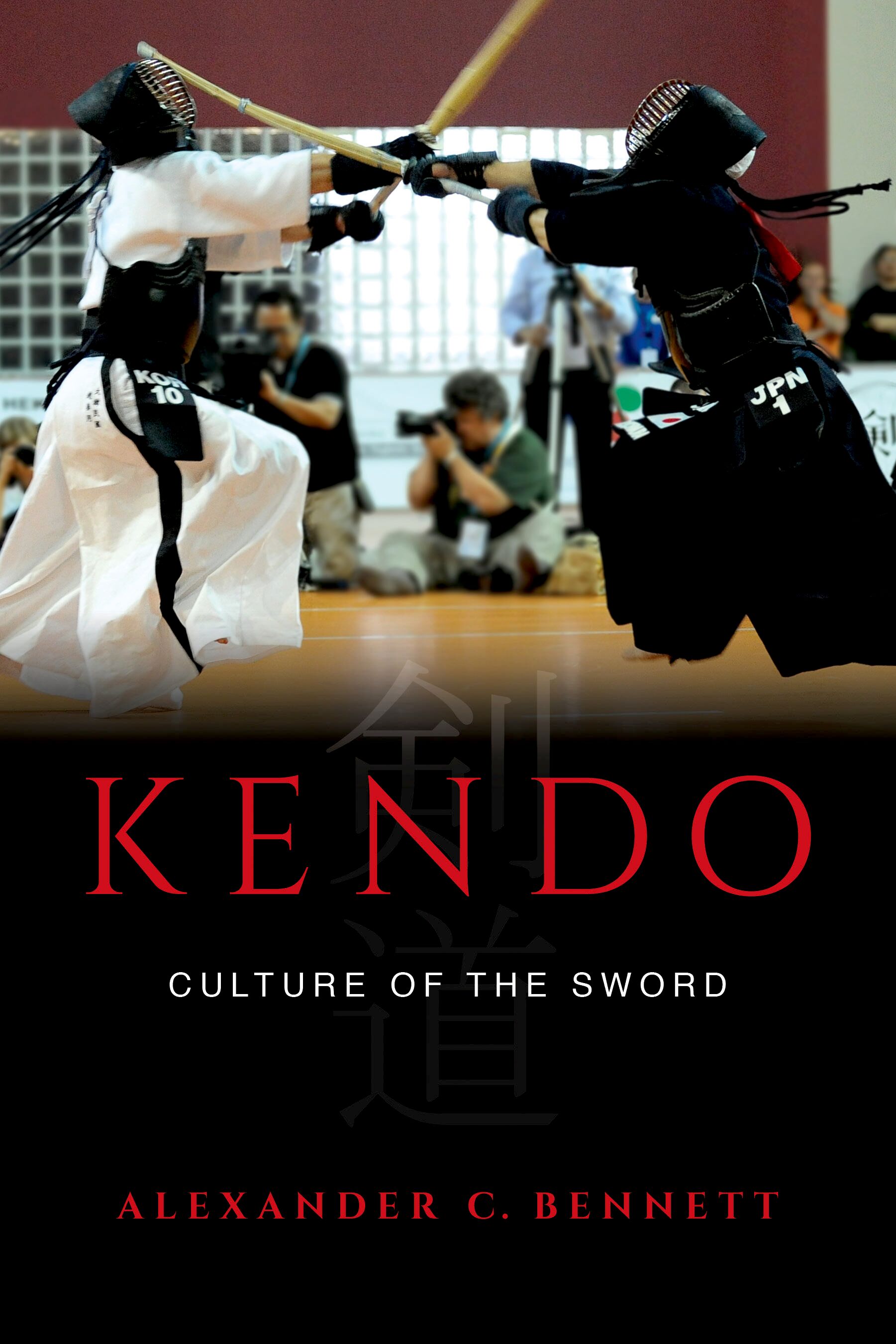
Kendo
Kendo is the first in-depth historical, cultural, and political account in English of the Japanese martial art of swordsmanship, from its beginnings in military training and arcane medieval schools to its widespread practice as a global sport today. Alexander Bennett shows how kendo evolved through a recurring process of \"inventing tradition,\" which served the changing ideologies and needs of Japanese warriors and governments over the course of history. Kendo follows the development of Japanese swordsmanship from the aristocratic-aesthetic pretensions of medieval warriors in the Muromachi period, to the samurai elitism of the Edo regime, and then to the nostalgic patriotism of the Meiji state. Kendo was later influenced in the 1930s and 1940s by ultranationalist militarists and ultimately by the postwar government, which sought a gentler form of nationalism to rekindle appreciation of traditional culture among Japan's youth and to garner international prestige as an instrument of \"soft power.\" Today kendo is becoming increasingly popular internationally. But even as new organizations and clubs form around the world, cultural exclusiveness continues to play a role in kendo's ongoing evolution, as the sport remains closely linked to Japan's sense of collective identity.
eBook

Kendo : culture of the sword
\"Kendo is the first book in English to provide an in-depth historical, cultural, and political account of the Japanese martial art of swordsmanship, from its beginnings in military training and arcane medieval schools to its widespread practice today as a global sport. Alexander Bennett shows how kendo evolved through a recurring process of 'inventing tradition', which served the changing ideologies and needs of Japanese warriors and governments over the course of history. Kendo follows the development of Japanese swordsmanship from the aristocratic pretensions of medieval warriors in the Muromachi period, to the samurai elitism of the Edo regime, and to the patriotism of the Meiji state. Kendo was influenced in the 1930s and 1940s by ultranationalist militarists and ultimately by the postwar government, which sought a gentle form of cultural nationalism to rekindle appreciation of traditional culture among Japan's youth and to garner international prestige as an instrument of 'soft power'. Today kendo is becoming increasingly popular internationally. But even as new organizations and clubs form around the world, the sport remains closely linked to Japan's sense of collective identity\"--Provided by publisher.
Book


Methods and Practice of Elizabethan Swordplay
Featuring period drawings and prints of swordplay, this book examines and compares the only three existing Elizabethan fencing manuals written in English before 1600: Giacomo Di Grassi’s His True Arte of Defense (1594), Vincentio Saviolo’s His Practice in Two Bookes (1595), and George Silver’s Paradoxes of Defence and Bref Instructions Upon my Paradoxes of Defence (1599).
More than a technical manual on swordplay, this book explores the influence of a new form of violence introduced into Elizabethan culture by the invention of the rapier. The authors examine the rapier’s influence on the various social classes, the clash between the traditional English fencing masters and those embracing the new style, the growing concern with unregulated dueling, and the frequent references to rapier play in the works of Shakespeare and his contemporaries.
As producer Joseph Papp notes in his Foreword, this is a book that makes a difference in performance.
eBook


Methods and practice of Elizabethan swordplay
Featuring period drawings and prints of swordplay, this book examines and compares three Elizabethan fencing manuals written in English before 1600: Giacomo Di Grassi's His True Arte of Defense (1594), Vincentio Saviolo's His Practice in Two Bookes (1595), and George Silver's Paradoxes of Defence and Bref Instructions upon My Paradoxes of Defence.
eBook


Soul of the Samurai
Modern translations of three classic works of Zen & Bushido In Soul of the Samurai respected author and translator Thomas Cleary reveals the true essence of Bushido or Zen warrior teachings according to 17th-century Japanese samurai master Yagyu Munenori and his Zen teacher Takuan Soho. The three works of Zen Bushido translated in Soul of the Samurai are: The Book of the Sword by Yagyu Munenori The Inscrutable Subtlety of Immovable Wisdom by Takuan Soho The Peerless Sword by Takuan Soho Yagyu was a renowned swordsman and chief of the Shogun's secret police, while Takuan was the Zen spiritual mentor to the Emperor. This samurai philosophy book contains the first English translations of their seminal writings on Bushido. Cleary not only provides clear and readable translations but comprehensive notes introducing the social, political, and organizational principles that defined Samurai culture-their loyalty to family, their sense of service and duty, and their political strategies for dealing with allies and enemies. These writings introduce the reader to the authentic world of Zen culture and the secrets behind the Samurai's success-being \"in the moment\" and freeing the mind from all distractions, allowing you to react instantaneously and instinctively without thinking.
eBook