
Catalogue Search | MBRL


Are you sure you want to remove the book from the shelf?

{{itemTitle}}
4
result(s) for
"Teeverbrauch"
Sort by:

Empire of tea : the Asian leaf that conquered the world
Tea has a rich and well-documented past. The beverage originated in Asia long before making its way to seventeenth-century London, where it became an exotic, highly sought after commodity. Over the subsequent two centuries, tea's powerful psychoactive properties seduced British society, becoming popular across the nation from castle to cottage. Now the world's most popular drink, tea was one of the first truly global products to find a mass market, with tea drinking now stereotypically associated with British identity. Imported by the East India Company in increasing quantities across the eighteenth century, tea inaugurated the first regular exchange between China and Britain, both commercial and cultural. While European scientists struggled to make sense of its natural history and medicinal properties, the delicate flavour profile and hot preparation of tea inspired poets, artists and satirists. Becoming central to everyday life, tea was embroiled in controversy, from the gossip of the domestic tea table to the civil disorder occasioned by smuggling, and the political scandal of the Boston Tea Party to the violent conflict of the Anglo- Chinese Opium War. Such stories shaped the contexts for the imperial tea industry that later developed across India and Sri Lanka.
Book

Tea
In Tea ,
James R. Fichter reveals that despite the so-called Boston Tea
Party in 1773, two large shipments of tea from the East India
Company survived and were ultimately drunk in North
America. Their survival shaped the politics of the years
ahead, impeded efforts to reimburse the company for the tea lost in
Boston Harbor, and hinted at the enduring potency of consumerism in
revolutionary politics.
Tea protests were widespread in 1774, but so were tea
advertisements and tea sales, Fichter argues. The protests were
noisy and sometimes misleading performances, not clear signs that
tea consumption was unpopular. Revolutionaries vilified tea in
their propaganda and prohibited the importation and consumption of
tea and British goods. Yet merchant ledgers reveal these goods were
still widely sold and consumed in 1775. Colonists supported
Patriots more than they abided by non-consumption. When Congress
ended its prohibition against tea in 1776, it reasoned that the ban
was too widely violated to enforce. War was a more effective means
than boycott for resisting Parliament, after all, and as rebel arms
advanced, Patriots seized tea and other goods Britons left behind.
By 1776, protesters sought tea and, objecting to its high price,
redistributed rather than destroyed it. Yet as Fichter demonstrates
in Tea , by then the commodity was not a symbol of the
British state, but of American consumerism.
eBook
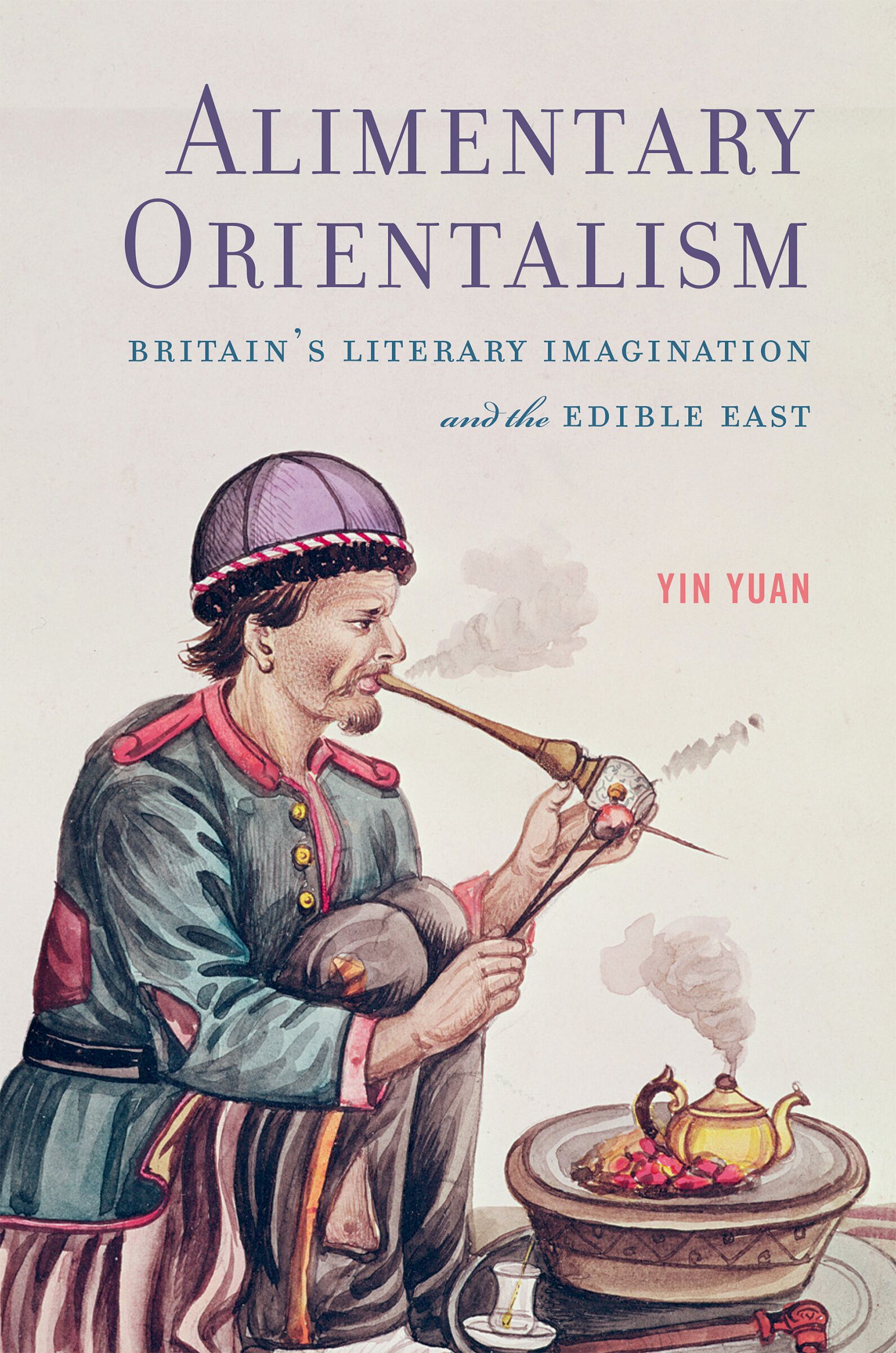
Alimentary Orientalism
What, exactly, did tea, sugar, and opium mean in eighteenth- and nineteenth-century Britain?Alimentary Orientalism reassesses the politics of Orientalist representation by examining the contentious debates surrounding these exotic, recently popularized, and literally consumable things.
eBook
