
Catalogue Search | MBRL


Are you sure you want to remove the book from the shelf?

{{itemTitle}}
2,324
result(s) for
"The 2000s"
Sort by:

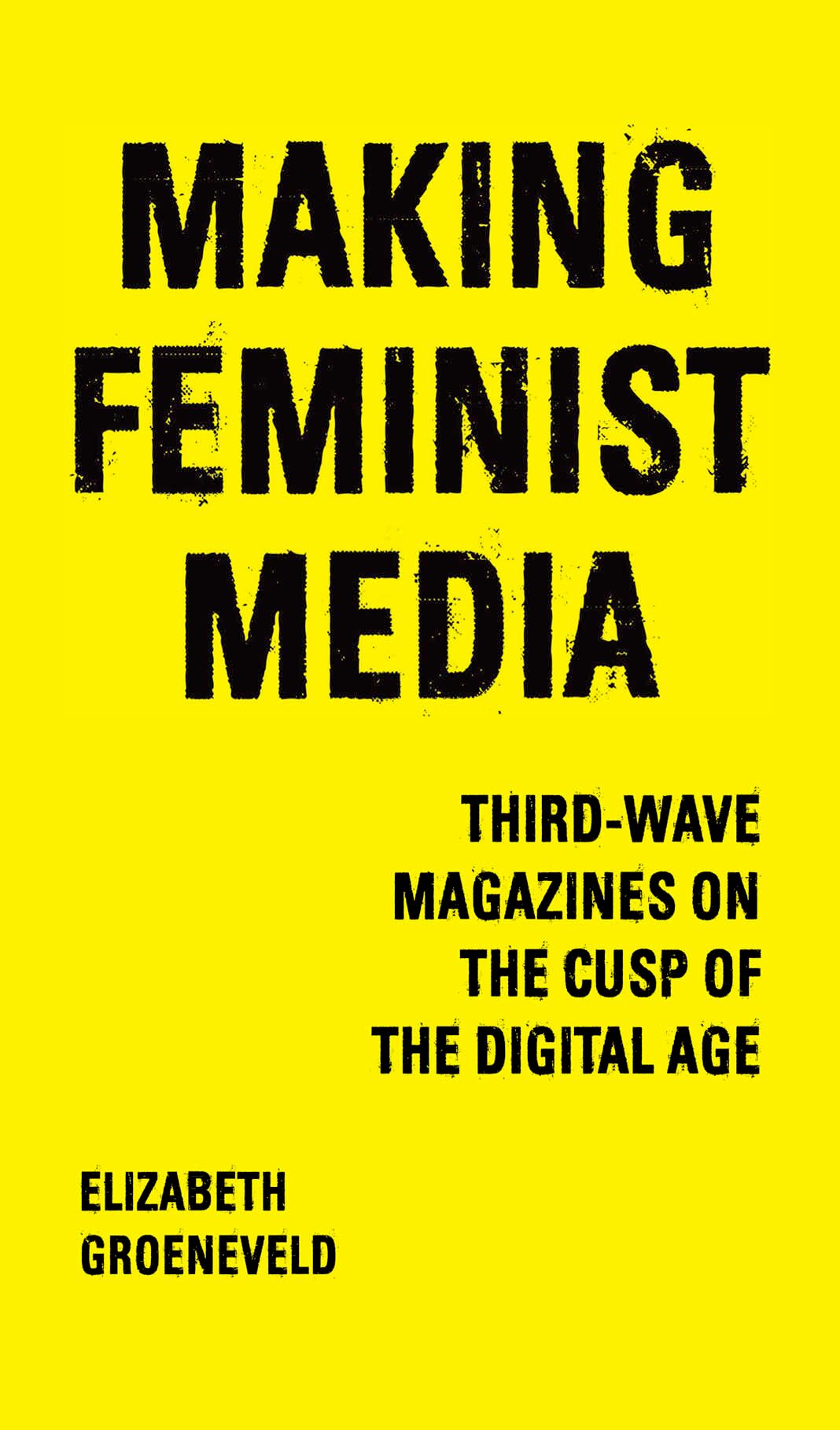
Making Feminist Media
Making Feminist Media provides new ways of thinking about the vibrant media and craft cultures generated by Riot Grrrl and feminism’s third wave. It focuses on a cluster of feminist publications—including BUST, Bitch, HUES, Venus Zine, and Rockrgrl—that began as zines in the 1990s. By tracking their successes and failures, this book provides insight into the politics of feminism’s recent past.Making Feminist Media brings together interviews with magazine editors, research from zine archives, and analysis of the advertising, articles, editorials, and letters to the editor found in third-wave feminist magazines. It situates these publications within the long history of feminist publishing in the United States and Canada and argues that third-wave feminist magazines share important continuities and breaks with their historical forerunners. These publishing lineages challenge the still-dominant—and hotly contested— wave metaphor categorization of feminist culture. The stories, struggles, and strategies of these magazines not only represent contemporary feminism, they create and shape feminist cultures. The publications provide a feminist counter-public sphere in which the competing interests of editors, writers, readers, and advertisers can interact. Making Feminist Media argues that reading feminist magazines is far more than the consumption of information or entertainment: it is a profoundly intimate and political activity that shapes how readers understand themselves and each other as feminist thinkers.
eBook