
Catalogue Search | MBRL


Are you sure you want to remove the book from the shelf?

{{itemTitle}}
241
result(s) for
"To 1057"
Sort by:

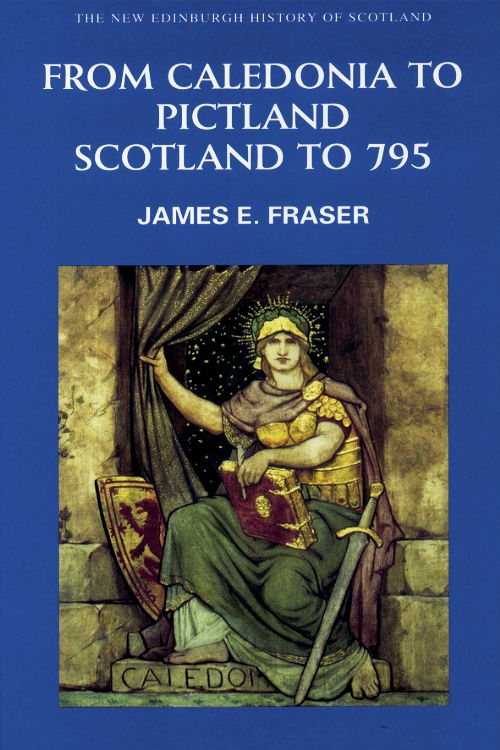
From Caledonia to Pictland
From Caledonia to Pictland examines the transformation of Iron Age northern Britain into a land of Christian kingdoms, long before 'Scotland' came into existence. Perched at the edge of the western Roman Empire, northern Britain was not unaffected by the experience, and became swept up in the great tide of processes which gave rise to the early medieval West. Like other places, the country experienced social and ethnic metamorphoses, Christianisation, and colonization by dislocated outsiders, but northern Britain also has its own unique story to tell in the first eight centuries AD.This book is the first detailed political history to treat these centuries as a single period, with due regard for Scotland's position in the bigger story of late Antique transition. From Caledonia to Pictland charts the complex and shadowy processes which saw the familiar Picts, Northumbrians, North Britons and Gaels of early Scottish history become established in the country, the achievements of their foremost political figures, and their ongoing links with the world around them. It is a story that has become much revised through changing trends in scholarly approaches to the challenging evidence, and that transformation too is explained for the benefit of students and general readers.Key Features:*The only detailed political history to treat the first eight centuries AD as a single period of Scottish history.*Redresses the imbalance created by an existing literature dominated by archaeologists. From Caledonia to Pictland provides a narrative history of the period.*Bridges a traditional disciplinary divide between the Roman and early medieval periods.*Locates this phase of Scotland's history within a European context, emphasising what is unique and what is not.
eBook


Macbeth
Referred to by superstitious actors as 'the Scottish play', William Shakespeare's Macbeth is a tragedy in which appalling earthly crimes have lasting supernatural repercussions. This Penguin Shakespeare edition is edited by George Hunter with an introduction by Carol Rutter. 'By the pricking of my thumbs, Something wicked this way comes'. Promised a golden future as ruler of Scotland by three sinister witches, and spurred on by his wife, Macbeth murders King Duncan to ensure his ambitions come true. But he soon learns the meaning of terror - killing once, he must kill again and again, and the dead return to haunt him. A story of war, witchcraft and bloodshed, Macbeth also depicts the relationship between husbands and wives, and the risks they are prepared to take to achieve their desires. This book contains a general introduction to Shakespeare's life and Elizabethan theatre, a separate introduction to Macbeth, a chronology, suggestions for further reading, an essay discussing performance options on both stage and screen, and a commentary. William Shakespeare (1564-1616) was born to John Shakespeare and Mary Arden some time in late April 1564 in Stratford-upon-Avon. He wrote about 38 plays (the precise number is uncertain), many of which are regarded as the most exceptional works of drama ever produced, including Romeo and Juliet (1595), Henry V (1599), Hamlet (1601), Othello (1604), King Lear (1606) and Macbeth (1606), as well as a collection of 154 sonnets, which number among the most profound and influential love-poetry in English. If you enjoyed Macbeth, you might like Hamlet, also available in Penguin Shakespeare. Shakespeare - the nearest thing in incarnation to the eye of God. (Lawrence Olivier)
Book
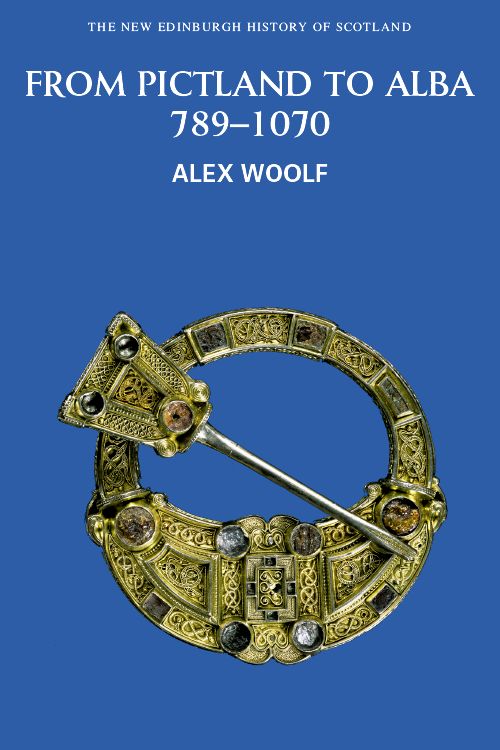
From Pictland to Alba, 789-1070
In the 780s northern Britain was dominated by two great kingdoms; Pictavia, centred in north-eastern Scotland and Northumbria which straddled the modern Anglo-Scottish border. Within a hundred years both of these kingdoms had been thrown into chaos by the onslaught of the Vikings and within two hundred years they had become distant memories. This book charts the transformation of the political landscape of northern Britain between the eighth and the eleventh centuries. Central to this narrative is the mysterious disappearance of the Picts and their language and the sudden rise to prominence of the Gaelic-speaking Scots who would replace them as the rulers of the North.From Pictland to Alba uses fragmentary sources which survive from this darkest period in Scottish history to guide the reader past the pitfalls which beset the unwary traveller in these dangerous times. Important sources are presented in full and their value as evidence is thoroughly explored and evaluated. Unlike most other volumes dealing with this period, this is a book which 'shows its workings' and encourages the readers to reach their own conclusions about the origins of Scotland.Key Features:• The first book in over twenty years to explain the destruction of the Picts and the rise of the Scottish kingdom from contemporary accounts alone• Recounts and evaluates modern scholarship developing readers’ awareness of recent debates and controversies • Subjects contemporary sources to rigorous examination allowing students to appreciate the strengths and pitfalls of different types of evidence• Locates early Scottish history firmly within a European context
eBook

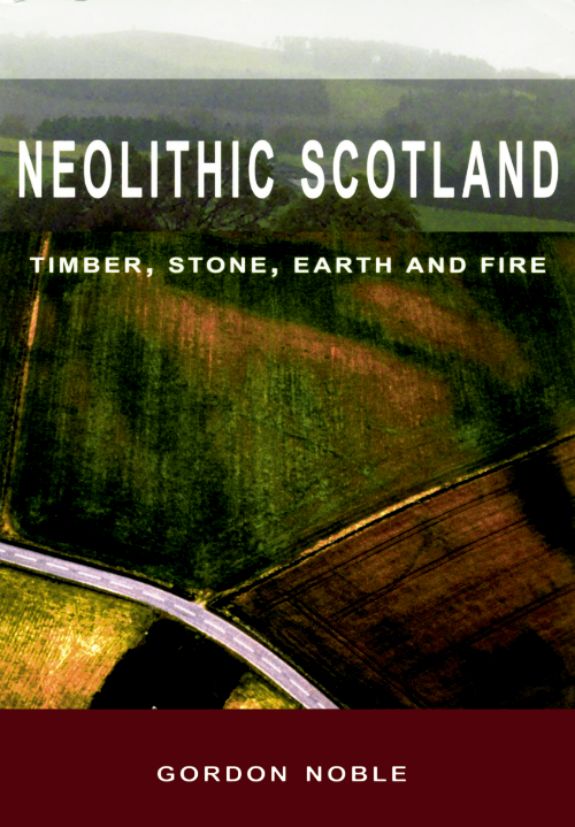
Neolithic Scotland
Gordon Noble's analysis follows the Neolithic period in Scotland from around 4000 BC to the transformation of Neolithic society in the Early Bronze Age fifteen hundred years later. Synthesizing research from the past century, Noble suggests new directions for the interpretation of this elusive period.
eBook

The Galloway Hoard : Viking-age treasure
Buried at the beginning of the 10th century in Dumfries and Galloway, the Galloway Hoard lay undisturbed for a thousand years before being unearthed by a metal detectorist in September 2014. This incredible discovery comprises more than 100 objects, including a rich Viking Age hoard of silver jewellery and ingots. It also contains an unparalleled range of precious metal and jewelled items, including a rare gold ingot, a unique gold bird-shaped pin and a decorated silver-gilt vessel, the only complete lidded vessel of its type ever discovered in Britain and Ireland.
Book
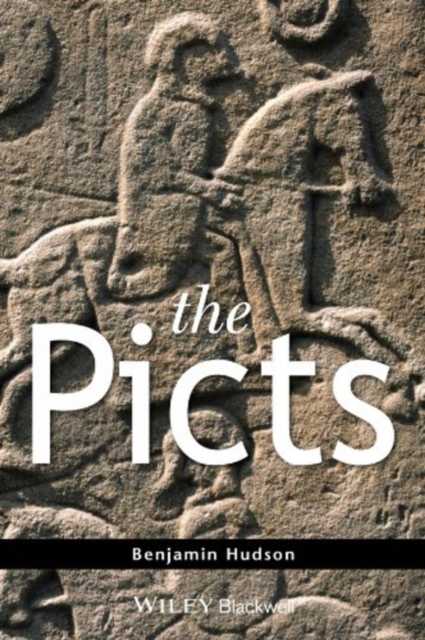
The Picts
The Picts is a survey of the historical and cultural developments in northern Britain between AD 300 and AD 900. Discarding the popular view of the Picts as savages, they are revealed to have been politically successful and culturally adaptive members of the medieval European world.
* Re-interprets our definition of 'Pict' and provides a vivid depiction of their political and military organization
* Offers an up-to-date overview of Pictish life within the environment of northern Britain
* Explains how art such as the 'symbol stones' are historical records as well as evidence of creative inspiration.
* Draws on a range of transnational and comparative scholarship to place the Picts in their European context
eBook