
Catalogue Search | MBRL


Are you sure you want to remove the book from the shelf?

{{itemTitle}}
274
result(s) for
"Toxemia"
Sort by:

Adult Intestinal Toxemia Botulism
Intoxication with botulinum neurotoxin can occur through various routes. Foodborne botulism results after consumption of food in which botulinum neurotoxin-producing clostridia (i.e., Clostridium botulinum or strains of Clostridium butyricum type E or Clostridium baratii type F) have replicated and produced botulinum neurotoxin. Infection of a wound with C. botulinum and in situ production of botulinum neurotoxin leads to wound botulism. Colonization of the intestine by neurotoxigenic clostridia, with consequent production of botulinum toxin in the intestine, leads to intestinal toxemia botulism. When this occurs in an infant, it is referred to as infant botulism, whereas in adults or children over 1 year of age, it is intestinal colonization botulism. Predisposing factors for intestinal colonization in children or adults include previous bowel or gastric surgery, anatomical bowel abnormalities, Crohn’s disease, inflammatory bowel disease, antimicrobial therapy, or foodborne botulism. Intestinal colonization botulism is confirmed by detection of botulinum toxin in serum and/or stool, or isolation of neurotoxigenic clostridia from the stool, without finding a toxic food. Shedding of neurotoxigenic clostridia in the stool may occur for a period of several weeks. Adult intestinal botulism occurs as isolated cases, and may go undiagnosed, contributing to the low reported incidence of this rare disease.
Journal Article

Identification of Toxemia in Patients with Clostridium difficile Infection
Toxemia can develop in Clostridium difficile-infected animals, and correlates with severe and fulminant disease outcomes. Circumstantial evidence suggests that toxemia may occur in patients with C. difficile infection (CDI), but positive diagnosis is extremely rare. We analyzed the potential for C. difficile toxemia in patients, determined its characteristics, and assessed challenges. C. difficile toxins in serum from patients were tested using an ultrasensitive cell-based assay and further confirmed by Rac1 glucosylation assay. The factors that hinder a diagnosis of toxemia were assessed, including investigation of toxin stability, the level of toxins-specific neutralizing antibodies in sera and its effect on diagnosis limits. CDI patients develop detectable toxemia in some cases (2.3%). Toxins were relatively stable in stored sera. Neutralizing anti-toxin antibodies were present during infection and positively correlated with the diagnosis limits. Thus, the masking effect of toxin-specific neutralizing antibodies is the major obstacle in diagnosing C. difficile toxemia using cell-based bioassays.
Journal Article

Analysis of fecal microbiome and metabolome changes in goats with pregnant toxemia
Background
Pregnancy toxemia is a common disease, which occurs in older does that are pregnant with multiple lambs in the third trimester. Most of the sick goats die within a few days, which can seriously impact the economic benefits of goat breeding enterprises. The disease is believed to be caused by malnutrition, stress, and other factors, that lead to the disorder of lipid metabolism, resulting in increased ketone content, ketosis, ketonuria, and neurological symptoms. However, the changes in gut microbes and their metabolism in this disease are still unclear. The objective of this experiment was to evaluate the effect of toxemia of pregnancy on the fecal microbiome and metabolomics of does.
Results
Eight pregnant does suspected of having toxemia of pregnancy (PT group) and eight healthy does during the same pregnancy (NC group) were selected. Clinical symptoms and pathological changes at necropsy were observed, and liver tissue samples were collected for pathological sections. Jugular venous blood was collected before morning feeding to detect biochemical indexes. Autopsy revealed that the liver of the pregnancy toxemia goat was enlarged and earthy yellow, and the biochemical results showed that the serum levels of aspartate aminotransferase (AST) and β-hydroxybutyric acid (B-HB) in the PT group were significantly increased, while calcium (Ca) levels were significantly reduced. Sections showed extensive vacuoles in liver tissue sections. The microbiome analysis found that the richness and diversity of the PT microbiota were significantly reduced. Metabolomic analysis showed that 125 differential metabolites were screened in positive ion mode and enriched in 12 metabolic pathways. In negative ion mode, 100 differential metabolites were screened and enriched in 7 metabolic pathways.
Conclusions
Evidence has shown that the occurrence of pregnancy toxemia is related to gut microbiota, and further studies are needed to investigate its pathogenesis and provide research basis for future preventive measures of this disease.
Journal Article

Zeptomole per milliliter detection and quantification of edema factor in plasma by LC-MS/MS yields insights into toxemia and the progression of inhalation anthrax
Inhalation of Bacillus anthracis spores can cause a rapidly progressing fatal infection. B. anthracis secretes three protein toxins: lethal factor (LF), edema factor (EF), and protective antigen (PA). EF and LF may circulate as free or PA-bound forms. Both free EF (EF) and PA-bound-EF (ETx) have adenylyl cyclase activity converting ATP to cAMP. We developed an adenylyl cyclase activity-based method for detecting and quantifying total EF (EF+ETx) in plasma. The three-step method includes magnetic immunocapture with monoclonal antibodies, reaction with ATP generating cAMP, and quantification of cAMP by isotope-dilution HPLC-MS/MS. Total EF was quantified from 5PL regression of cAMP vs ETx concentration. The detection limit was 20 fg/mL (225 zeptomoles/mL for the 89 kDa protein). Relative standard deviations for controls with 0.3, 6.0, and 90 pg/mL were 11.7–16.6% with 91.2–99.5% accuracy. The method demonstrated 100% specificity in 238 human serum/plasma samples collected from unexposed healthy individuals, and 100% sensitivity in samples from 3 human and 5 rhesus macaques with inhalation anthrax. Analysis of EF in the rhesus macaques showed that it was detected earlier post-exposure than B. anthracis by culture and PCR. Similar to LF, the kinetics of EF over the course of infection were triphasic, with an initial rise (phase-1), decline (phase-2), and final rapid rise (phase-3). EF levels were ~ 2–4 orders of magnitude lower than LF during phase-1 and phase-2 and only ~ 6-fold lower at death/euthanasia. Analysis of EF improves early diagnosis and adds to our understanding of anthrax toxemia throughout infection. The LF/EF ratio may also indicate the stage of infection and need for advanced treatments.
Journal Article
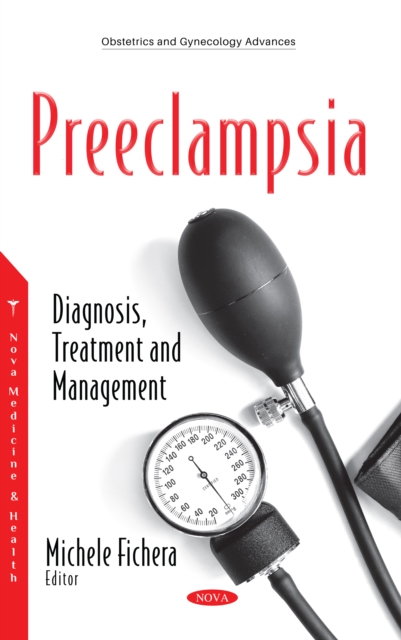
Preeclampsia: Diagnosis, Treatment and Management
Preeclampsia is becoming an increasingly common diagnosis in the developed world and remains a high cause of maternal and fetal morbidity and mortality in the developing world. It is a multisystem progressive disorder of pregnancy characterized by the new onset of hypertension and proteinuria of =300 mg/day or of hypertension and significant end-organ dysfunction with or without proteinuria. It also presents with a variety of organ failures, including malfunction of kidneys, liver and lungs. It is estimated that about 5-7% of pregnancies are complicated by preeclampsia. This disorder always resolves after delivery. In about 80% of cases, pregnancy ends with good maternal and fetal outcomes. However, these pregnancies are still at increased risk for maternal and/or fetal mortality or serious morbidity. The remaining 20% of cases are at risk for preterm delivery and small gestational age infant. As regards the long-term consequences, women with preeclampsia are at high risk for cardiovascular, renal, and chronic hypertensive diseases. The exact pathophysiology of preeclampsia is poorly understood and, consequently, there are no well-established methods of primary prevention or of cost-effective screening. Childbirth is the only known cure; however, the decision between delivery and expectant management depends on several factors, such as fetal gestational age, maternal and fetal status at time of initial evaluation, presence of labor or rupture of fetal membranes, and level of available neonatal and maternal services. The aim of this book is to provide an overview of the latest developments about the physiopathology, diagnosis, and treatment of pre-eclampsia. Addressed to gynecologists, obstetricians, researchers and students, this text aims to become a reference for all operators who are interested in pregnancy complications and in the management and treatment of this specific disorder which is increasingly common in the population.
eBook

The effects of desert dust storms, air pollution, and temperature on morbidity due to spontaneous abortions and toxemia of pregnancy: 5-year analysis
Epidemiological studies have suggested an association between particulate air pollution, increased temperatures, and morbidity related to pregnancy outcomes. However, the roles of desert dust storms and climatological factors have not been fully addressed. The objectives of the present study were to investigate the association between desert dust storms, particulate matter with a diameter ≤10 μm (PM10), daily temperatures, and toxemia of pregnancy and spontaneous abortion in Gaziantep, South East Turkey. The study was conducted retrospectively at emergency department of two hospitals in Gaziantep city. Data from January 1, 2009, to March 31, 2014, were collected. Patients, who were diagnosed with toxemia of pregnancy and spontaneous abortion by radiological imaging modalities, were included in the study. Daily temperature ranges, mean temperature values, humidity, pressure, wind speed, daily PM10 levels, and records of dust storms were collected. A generalized additive regression model was designed to assess variable effects on toxemia of pregnancy and spontaneous abortion, while adjusting for possible confounding factors. Our findings demonstrated that presence of dust storms was positively associated with the toxemia of pregnancy both in outpatient admissions (OR=1.543 95% CI=1.186–2.009) and inpatient hospitalizations (OR=1.534; 95% CI=1.162–2.027). However, neither PM10 nor maximum temperature showed a marked association with spontaneous abortion or toxemia of pregnancy in our study population. Our findings suggest that desert dust storms may have an impact on the risk for adverse pregnancy outcomes such as toxemia of pregnancy. Health authorities should take necessary measures to protect pregnant women against detrimental effects of these storms.
Journal Article

International Society of Sports Nutrition Position Stand: Probiotics
Position statement:
The International Society of Sports Nutrition (ISSN) provides an objective and critical review of the mechanisms and use of probiotic supplementation to optimize the health, performance, and recovery of athletes. Based on the current available literature, the conclusions of the ISSN are as follows:
Probiotics are live microorganisms that, when administered in adequate amounts, confer a health benefit on the host (FAO/WHO).
Probiotic administration has been linked to a multitude of health benefits, with gut and immune health being the most researched applications.
Despite the existence of shared, core mechanisms for probiotic function, health benefits of probiotics are strain- and dose-dependent.
Athletes have varying gut microbiota compositions that appear to reflect the activity level of the host in comparison to sedentary people, with the differences linked primarily to the volume of exercise and amount of protein consumption. Whether differences in gut microbiota composition affect probiotic efficacy is unknown.
The main function of the gut is to digest food and absorb nutrients. In athletic populations, certain probiotics strains can increase absorption of key nutrients such as amino acids from protein, and affect the pharmacology and physiological properties of multiple food components.
Immune depression in athletes worsens with excessive training load, psychological stress, disturbed sleep, and environmental extremes, all of which can contribute to an increased risk of respiratory tract infections. In certain situations, including exposure to crowds, foreign travel and poor hygiene at home, and training or competition venues, athletes’ exposure to pathogens may be elevated leading to increased rates of infections. Approximately 70% of the immune system is located in the gut and probiotic supplementation has been shown to promote a healthy immune response. In an athletic population, specific probiotic strains can reduce the number of episodes, severity and duration of upper respiratory tract infections.
Intense, prolonged exercise, especially in the heat, has been shown to increase gut permeability which potentially can result in systemic toxemia. Specific probiotic strains can improve the integrity of the gut-barrier function in athletes.
Administration of selected anti-inflammatory probiotic strains have been linked to improved recovery from muscle-damaging exercise.
The minimal effective dose and method of administration (potency per serving, single vs. split dose, delivery form) of a specific probiotic strain depends on validation studies for this particular strain. Products that contain probiotics must include the genus, species, and strain of each live microorganism on its label as well as the total estimated quantity of each probiotic strain at the end of the product’s shelf life, as measured by colony forming units (CFU) or live cells.
Preclinical and early human research has shown potential probiotic benefits relevant to an athletic population that include improved body composition and lean body mass, normalizing age-related declines in testosterone levels, reductions in cortisol levels indicating improved responses to a physical or mental stressor, reduction of exercise-induced lactate, and increased neurotransmitter synthesis, cognition and mood. However, these potential benefits require validation in more rigorous human studies and in an athletic population.
Journal Article

Hyponatraemia compounding pre-eclamptic toxaemia in a patient with type 1 diabetes
We report a case of profound, symptomatic hyponatraemia in association with pre‐eclamptic toxaemia (PET) in a 38‐year‐old nulliparous woman with type 1 diabetes mellitus. This patient developed hypertension and proteinuria at 31+6 weeks’ gestation and was admitted for management of pre-eclampsia. Severe headache, visual disturbance and nausea were associated with a hyponatraemia of 115 mmol/L followed by ketoacidosis. This was reversed through fluid restriction, supplementation with 1.8%–3.0% hypertonic saline and a volume-reduced variable-rate insulin infusion. Clinical stability was achieved and she was subsequently worked up for an induction of labour for worsening pre-eclampsia. Hyponatraemia in the context of PET has been previously reported as rare. However, it has complications that may significantly compound the sequelae of severe PET. We propose that specific and focused monitoring of serum sodium levels should become common practice in the management of women with this condition to allow for timely, measured correction of abnormalities.
Journal Article

Pregnancy Toxemia in Ewes: A Review of Molecular Metabolic Mechanisms and Management Strategies
Pregnancy toxemia is a nutritional metabolic disease during late gestation in small ruminants. The condition is characterized by disorders in carbohydrate and fat metabolism. Obese and multiparous ewes are particularly susceptible to pregnancy toxemia, which may lead to maternal death, abortion, or premature birth. Highly productive multiparous meat ewes are major breeding animals, which has led to an increased incidence of the disease. However, the pathogenesis of pregnancy toxemia remains unclear and adequate disease prevention and treatment strategies are absent. Investigating the pathogenesis of pregnancy toxemia, especially the metabolic pathways of hepatic lipids, is key to an improved understanding of the condition. This review provides a snapshot of the genes that are associated with lipid metabolism in the ovine liver, including genes involved in fatty acid oxidation, acetyl coenzyme metabolism, and triglyceride synthesis; describes the interrelationships between these genes; and summarizes the diagnosis, prevention, and treatment of pregnancy toxemia.
Journal Article
Toxemia in Human Naturally Acquired Botulism
Human botulism is a severe disease characterized by flaccid paralysis and inhibition of certain gland secretions, notably salivary secretions, caused by inhibition of neurotransmitter release. Naturally acquired botulism occurs in three main forms: food-borne botulism by ingestion of preformed botulinum neurotoxin (BoNT) in food, botulism by intestinal colonization (infant botulism and intestinal toxemia botulism in infants above one year and adults), and wound botulism. A rapid laboratory confirmation of botulism is required for the appropriate management of patients. Detection of BoNT in the patient’s sera is the most direct way to address the diagnosis of botulism. Based on previous published reports, botulinum toxemia was identified in about 70% of food-borne and wound botulism cases, and only in about 28% of infant botulism cases, in which the diagnosis is mainly confirmed from stool sample investigation. The presence of BoNT in serum depends on the BoNT amount ingested with contaminated food or produced locally in the intestine or wound, and the timeframe between serum sampling and disease onset. BoNT levels in patient’s sera are most frequently low, requiring a highly sensitive method of detection. Mouse bioassay is still the most used method of botulism identification from serum samples. However, in vitro methods based on BoNT endopeptidase activity with detection by mass spectrometry or immunoassay have been developed and depending on BoNT type, are more sensitive than the mouse bioassay. These new assays show high specificity for individual BoNT types and allow more accurate differentiation between positive toxin sera from botulism and autoimmune neuropathy patients.
Journal Article