
Catalogue Search | MBRL


Are you sure you want to remove the book from the shelf?

{{itemTitle}}
1,267
result(s) for
"Toxine"
Sort by:
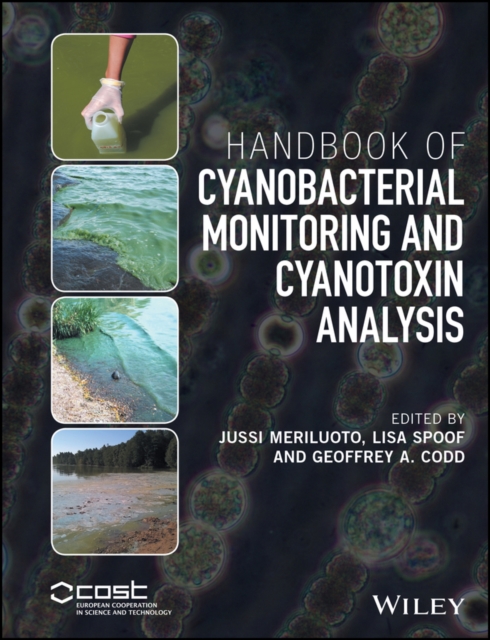
Handbook of Cyanobacterial Monitoring and Cyanotoxin Analysis
A valuable handbook containing reviews, practical methods and standard operating procedures. A valuable and practical working handbook containing introductory and specialist content that tackles a major and growing field of environmental, microbiological and ecotoxicological monitoring and analysis; Includes introductory reviews, practical analytical chapters and a comprehensive listing of almost thirty Standard Operating Procedures (SOPs); For use in the laboratory, in academic and government institutions and industrial settings. Those readers will appreciate the research that validates and updates cyanotoxin monitoring and analysis plus adding to approaches for setting standard methods that can be applied worldwide.
eBook

Uptake of Cadmium, Lead and Arsenic by Tenebrio molitor and Hermetia illucens from Contaminated Substrates
Insects have potential as a novel source of protein in feed and food production in Europe, provided they can be used safely. To date, limited information is available on the safety of insects, and toxic elements are one of the potential hazards of concern. Therefore, we aimed to investigate the potential accumulation of cadmium, lead and arsenic in larvae of two insect species, Tenebrio molitor (yellow mealworm) and Hermetia illucens (black soldier fly), which seem to hold potential as a source of food or feed. An experiment was designed with 14 treatments, each in triplicate, per insect species. Twelve treatments used feed that was spiked with cadmium, lead or arsenic at 0.5, 1 and 2 times the respective maximum allowable levels (ML) in complete feed, as established by the European Commission (EC). Two of the 14 treatments consisted of controls, using non-spiked feed. All insects per container (replicate) were harvested when the first larva in that container had completed its larval stage. Development time, survival rates and fresh weights were similar over all treatments, except for development time and total live weight of the half of the maximum limit treatment for cadmium of the black soldier fly. Bioaccumulation (bioaccumulation factor > 1) was seen in all treatments (including two controls) for lead and cadmium in black soldier fly larvae, and for the three arsenic treatments in the yellow mealworm larvae. In the three cadmium treatments, concentrations of cadmium in black soldier fly larvae are higher than the current EC maximum limit for feed materials. The same was seen for the 1.0 and 2.0 ML treatments of arsenic in the yellow mealworm larvae. From this study, it can be concluded that if insects are used as feed materials, the maximum limits of these elements in complete feed should be revised per insect species.
Journal Article

Stress Induces Endotoxemia and Low-Grade Inflammation by Increasing Barrier Permeability
Chronic non-communicable diseases (NCDs) are the leading causes of work absence, disability, and mortality worldwide. Most of these diseases are associated with low-grade inflammation. Here, we hypothesize that stresses (defined as homeostatic disturbances) can induce low-grade inflammation by increasing the availability of water, sodium, and energy-rich substances to meet the increased metabolic demand induced by the stressor. One way of triggering low-grade inflammation is by increasing intestinal barrier permeability through activation of various components of the stress system. Although beneficial to meet the demands necessary during stress, increased intestinal barrier permeability also raises the possibility of the translocation of bacteria and their toxins across the intestinal lumen into the blood circulation. In combination with modern life-style factors, the increase in bacteria/bacterial toxin translocation arising from a more permeable intestinal wall causes a low-grade inflammatory state. We support this hypothesis with numerous studies finding associations with NCDs and markers of endotoxemia, suggesting that this process plays a pivotal and perhaps even a causal role in the development of low-grade inflammation and its related diseases.
Journal Article
Mycotoxin profiling of 1000 beer samples with a special focus on craft beer
Currently beer is booming, mainly due to the steady rise of craft breweries worldwide. Previous surveys for occurrence of mycotoxins in beer, were mainly focussed on industrial produced beer. The present survey reports the presence of mycotoxins in craft beer and how this compares to industrial produced beer. More than 1000 beers were collected from 47 countries, of which 60% were craft beers. A selection of 1000 samples were screened for the presence of aflatoxin B1, ochratoxin A (OTA), zearalenone (ZEN), fumonisins (FBs), T-2 and HT-2 toxins (T-2 and HT-2) and deoxynivalenol (DON) using a mycotoxin 6-plex immunoassay. For confirmatory analysis, a liquid chromatography tandem mass spectrometry (LC-MS/MS) method was developed and applied. The 6-plex screening showed discrepancies with the LC-MS/MS analysis, possibly due to matrix interference and/or the presence of unknown mycotoxin metabolites. The major mycotoxins detected were DON and its plant metabolite deoxynivalenol-3-β-D-glucopyranoside (D3G). The 6-plex immunoassay reported the sum of DON and D3G (DON+D3G) contaminations ranging from 10 to 475 μg/L in 406 beers, of which 73% were craft beers. The popular craft beer style imperial stout, had the highest percentage of samples suspected positive (83%) with 29% of all imperial stout beers having DON+D3G contaminations above 100 μg/L. LC-MS/MS analysis showed that industrial pale lagers from Italy and Spain, predominantly contained FBs (3-69 μg/L). Besides FBs, African traditional beers also contained aflatoxins (0.1-1.2 μg/L). The presence of OTA, T-2, HT-2, ZEN, β-zearalenol, 3/15-acetyl-DON, nivalenol and the conjugated mycotoxin zearalenone 14-sulfate were confirmed in some beers. This study shows that in 27 craft beers, DON+D3G concentrations occurred above (or at) the Tolerable Daily Intake (TDI). Exceeding the TDI, may have a health impact. A better control of brewing malts for craft beer, should be put in place to circumvent this potential problem.
Journal Article
An Observational Study of Honey Bee Colony Winter Losses and Their Association with Varroa destructor, Neonicotinoids and Other Risk Factors
This article presents results of an analysis of honey bee losses over the winter of 2011-2012 in the Netherlands, from a sample of 86 colonies, located at 43 apiaries. The apiaries were selected using spatially stratified random sampling. Colony winter loss data were collected and related to various measures of colony strength recorded in summer, as well as data from laboratory analysis of sample material taken from two selected colonies in each of the 43 apiaries. The logistic regression model which best explained the risk of winter loss included, in order of statistical importance, the variables (1) Varroa destructor mite infestation rate in October 2011, (2) presence of the cyano-substituted neonicotinoids acetamiprid or thiacloprid in the first 2 weeks of August 2011 in at least one of the honey bee matrices honey, bees or bee bread (pollen), (3) presence of Brassica napus (oilseed rape) or Sinapis arvensis (wild mustard) pollen in bee bread in early August 2011, and (4) a measure of the unexplained winter losses for the postal code area where the colonies were located, obtained from a different dataset. We consider in the discussion that reduced opportunities for foraging in July and August because of bad weather may have added substantially to the adverse effects of acetamiprid and thiacloprid. A novel feature of this work is its use of postal code random effects from two other independent datasets collected in the annual national monitoring by questionnaires of winter losses of honey bees in the Netherlands. These were used to plan the sample selection and also in the model fitting of the data in this study. It should however be noted that the results of the present pilot study are based on limited data, which may consequently reveal strong factors but fail to demonstrate possible interaction effects.
Journal Article

Author Correction: Exfoliative toxin E, a new Staphylococcus aureus virulence factor with host-specific activity
An amendment to this paper has been published and can be accessed via a link at the top of the paper.An amendment to this paper has been published and can be accessed via a link at the top of the paper.
Journal Article

Genomic adaptation to polyphagy and insecticides in a major East Asian noctuid pest
The tobacco cutworm,
Spodoptera litura
, is among the most widespread and destructive agricultural pests, feeding on over 100 crops throughout tropical and subtropical Asia. By genome sequencing, physical mapping and transcriptome analysis, we found that the gene families encoding receptors for bitter or toxic substances and detoxification enzymes, such as cytochrome P450, carboxylesterase and glutathione-
S
-transferase, were massively expanded in this polyphagous species, enabling its extraordinary ability to detect and detoxify many plant secondary compounds. Larval exposure to insecticidal toxins induced expression of detoxification genes, and knockdown of representative genes using short interfering RNA (siRNA) reduced larval survival, consistent with their contribution to the insect’s natural pesticide tolerance. A population genetics study indicated that this species expanded throughout southeast Asia by migrating along a South India–South China–Japan axis, adapting to wide-ranging ecological conditions with diverse host plants and insecticides, surviving and adapting with the aid of its expanded detoxification systems. The findings of this study will enable the development of new pest management strategies for the control of major agricultural pests such as
S
.
litura
.
Genome of the tobacco cutworm,
Spodoptera litura
, which is one of the most widespread and destructive agricultural pests in tropical and subtropical Asia.
Journal Article
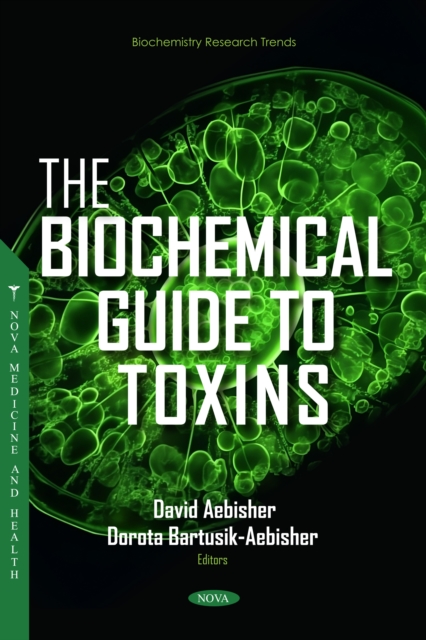
The Biochemical Guide to Toxins
This book aims to provide scientific information about toxins. Toxins are chemicals produced by living organisms that are poisonous to another organism. The chapters present the characteristics of toxins that can be harmful to tissues, organs or biological processes of living organisms, produced only by other living organisms. The authors of the prepared chapters also present the most popular toxins.
eBook

A new dopaminergic nigro-olfactory projection
Parkinson disease (PD) is a neurodegenerative disorder characterized by massive loss of midbrain dopaminergic neurons. Whereas onset of motor impairments reflects a rather advanced stage of the disorder, hyposmia often marks the beginning of the disease. Little is known about the role of the nigro-striatal system in olfaction under physiological conditions and the anatomical basis of hyposmia in PD. Yet, the early occurrence of olfactory dysfunction implies that pathogens such as environmental toxins could incite the disease via the olfactory system. In the present study, we demonstrate a dopaminergic innervation from neurons in the substantia nigra to the olfactory bulb by axonal tracing studies. Injection of two dopaminergic neurotoxins—1-methyl-4-phenylpyridinium and 6-hydroxydopamine—into the olfactory bulb induced a decrease in the number of dopaminergic neurons in the substantia nigra. In turn, ablation of the nigral projection led to impaired olfactory perception. Hyposmia following dopaminergic deafferentation was reversed by treatment with the D1/D2/D3 dopamine receptor agonist rotigotine. Hence, we demonstrate for the first time the existence of a direct dopaminergic projection into the olfactory bulb and identify its origin in the substantia nigra in rats. These observations may provide a neuroanatomical basis for invasion of environmental toxins into the basal ganglia and for hyposmia as frequent symptom in PD.
Journal Article
A European Multi Lake Survey dataset of environmental variables, phytoplankton pigments and cyanotoxins
Under ongoing climate change and increasing anthropogenic activity, which continuously challenge ecosystem resilience, an in-depth understanding of ecological processes is urgently needed. Lakes, as providers of numerous ecosystem services, face multiple stressors that threaten their functioning. Harmful cyanobacterial blooms are a persistent problem resulting from nutrient pollution and climate-change induced stressors, like poor transparency, increased water temperature and enhanced stratification. Consistency in data collection and analysis methods is necessary to achieve fully comparable datasets and for statistical validity, avoiding issues linked to disparate data sources. The European Multi Lake Survey (EMLS) in summer 2015 was an initiative among scientists from 27 countries to collect and analyse lake physical, chemical and biological variables in a fully standardized manner. This database includes in-situ lake variables along with nutrient, pigment and cyanotoxin data of 369 lakes in Europe, which were centrally analysed in dedicated laboratories. Publishing the EMLS methods and dataset might inspire similar initiatives to study across large geographic areas that will contribute to better understanding lake responses in a changing environment.
Journal Article