
Catalogue Search | MBRL


Are you sure you want to remove the book from the shelf?

{{itemTitle}}
61
result(s) for
"Turkey History 1960-"
Sort by:
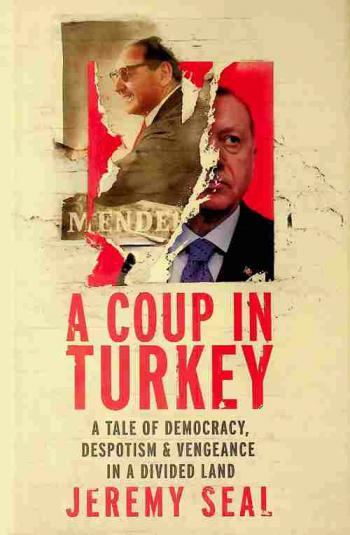
A coup in Turkey : a tale of democracy, despotism and vengeance in a divided land
In the spring of 2016 travel writer Jeremy Seal went to Turkey to investigate perhaps the most dramatic, revealing and little-known episode in the country's history - the 'original' coup of 1960, which deposed the traditionalist Prime Minister Adnan Menderes. The story of Menderes - to his adoring supporters the country's founding democrat; to his sworn enemies its most infamous traitor - goes to the heart of the feud that continues to rage between the Western and secular amibitions of a minority elite and the religious and conservative instincts of the small-town majority. A coup in Turkey is a thrilling account of the events leading up to the coup and the trials and executions that followed, a story of political subterfuge and score-settling, courtroom drama, state execution, authoritarian intolerance and ideological division. --inside cover.

Debating Turkish Modernity
Debating Turkish Modernity describes the opening act of Turkey's half century bid to join the European Community. Between 1959 and 1980, Turks from all walks of life weighed in on their prospective integration into Europe. This book details how these Turks made sense of the project of European Unification and how they spoke about it. It argues that Turkey's EEC debates, by resurrecting past questions over Turkey's relationship to Europe, became the principle forum where Turks of the Second Republic defined who they were, where they came from, and where they were going.
eBook


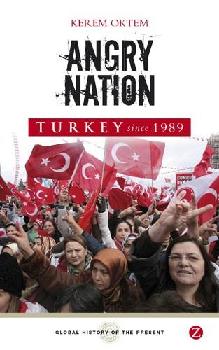
Turkey since 1989 : angry nation
Since its re-emergence as nation-state in 1923, Turkey has often looked like an odd appendix to the West situated in the borderlands of Europe and the Middle East, economically backward, inward looking, marred by political violence, yet a staunch NATO ally, it has been eyed with suspicion by both 'East' and 'West'. The momentous changes in the regional and world order after 1989 have catapulted the country back to the world stage. Ever since, Turkey has turned into a major power broker and has developed into one the largest economies in the world. In the process, however, the country has failed to solve its ethnic, religious and historical conflicts peacefully. At this historical turning point, Kerem Oktem charts the contemporary history of Turkey, exploring such key issues as the relationship between religion and the state, Kurdish separatism, Turkey's relationship with Israel and the ongoing controversy over Turkey's entry into the EU. Readable but comprehensive, this is the definitive book on the country's erratic transformation from a military dictatorship to a maturing, if still troubled, democracy.
eBook

The new cultural climate in Turkey : living in a shop window
A collection of essays that presents an analysis of cultural politics in Turkey, arguing that the dominant cliched dualities of East/West and secular/sacred mask a reality of silence, repression and return.
eBook


Making Peace with Referendums: Cyprus and Northern Ireland
Referendums have become an undeniably important, and perhaps inescapable, peacemaking tool in contemporary peace processes. As such, understanding the ways in which referendum outcomes are shaped by peace negotiations is vital. Drawing upon two case studies, Amaral presents an empirically rich comparative analysis of the Annan Plan in Cyprus and the Good Friday Agreement in Northern Ireland. She examines the negotiations, offering new interview material with key political and civil figures involved in the peace negotiations and referendum campaigns in both cases. Amaral argues that referendums are unsuitable for traditional secretive and exclusionist peace negotiations that fail to engage and educate the public. They rather require inclusive negotiations that involve a broad spectrum of political stakeholders and civil society at the early stages of the process. This peacemaking approach can allow referendums to positively shape societies in conflict and be a crucial step toward lasting peace.
eBook

Healing through the bones
This study explores an effect of violent conflict in Cyprus-Missing Persons-and the process of exhumations. By interviewing experts on the Cypriot conflict about the exhumations process, Fics has revealed the challenges and successes that may arise for sustainable peace and healing in Cyprus and beyond.
eBook