
Catalogue Search | MBRL


Are you sure you want to remove the book from the shelf?

{{itemTitle}}
18,444
result(s) for
"Typing"
Sort by:
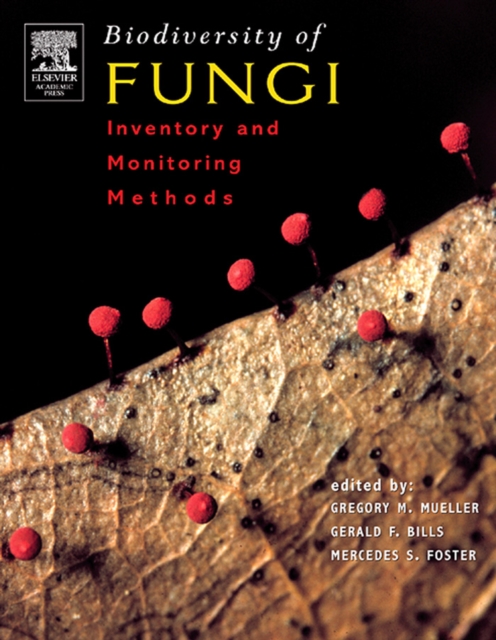
Biodiversity of fungi : inventory and monitoring methods
Biodiversity of Fungi is essential for anyone collecting and/or monitoring any fungi. Fascinating and beautiful, fungi are vital components of nearly all ecosystems and impact human health and our economy in a myriad of ways. Standardized methods for documenting diversity and distribution have been lacking. A wealth of information, especially regrading sampling protocols, compiled by an international team of fungal biologists, make Biodiversity of Fungi an incredible and fundamental resource for the study of organismal biodiversity. Chapters cover everything from what is a fungus, to maintaining and organizing a permanent study collection with associated databases; from protocols for sampling slime molds to insect associated fungi; from fungi growing on and in animals and plants to mushrooms and truffles. The chapters are arranged both ecologically and by sampling method rather than by taxonomic group for ease of use. The information presented here is intended for everyone interested in fungi, anyone who needs tools to study them in nature including naturalists, land managers, ecologists, mycologists, and even citizen scientists and sophiscated amateurs. Covers all groups of fungi - from molds to mushrooms, even slime moldsDescribes sampling protocols for many groups of fungiArranged by sampling method and ecology to coincide with users needsBeautifully illustrated to document the range of fungi treated and techniques discussed Natural history data are provided for each group of fungi to enable users to modify suggested protocols to meet their needs
eBook

Correction: Immunohistochemical Typing of Adenocarcinomas of the Pancreatobiliary System Improves Diagnosis and Prognostic Stratification
[This corrects the article DOI: 10.1371/journal.pone.0166067.].
Journal Article

Identification and typing of fish pathogenic species of the genus Tenacibaculum
Tenacibaculosis is a major bacterial disease that causes severe fish outbreaks and losses and limits the culture of a variety of commercially valuable anadromous and marine fish species in Europe, America, Asia and Oceania. Fish affected by tenacibaculosis have external lesions and necrosis that affect different areas of the body surface, reducing their commercial value. Several species of Tenacibaculum have been identified as the causal agent of tenacibaculosis in fish, including Tenacibaculum maritimum, Tenacibaculum soleae, Tenacibaculum discolor, Tenacibaculum gallaicum, Tenacibaculum dicentrarchi and “Tenacibaculum finnmarkense” (quotations marks denote species that have not been validly published). Diagnosis of tenacibaculosis is usually based on culture-dependent detection and identification techniques which are time-consuming and do not allow to differentiate closely related species. The development of reliable techniques for studying the relationships between members of the genus Tenacibaculum and for distinguishing fish-pathogenic species of Tenacibaculum genus is, therefore, a key step in understanding the diversity and incidence of tenacibaculosis in global aquaculture, designing effective prevention strategies and early implementation of infection control measures. In this review, recent advances in molecular, serological, proteomic and chemotaxonomic techniques developed for the identification and differentiation of Tenacibaculum species, as well as for the analysis of their genetic and epidemiological relationships are discussed. Key features of current diagnostic methods likely to facilitate control and prevention of tenacibaculosis and to avoid the spread of its aetiological agents are also outlined.
Journal Article

Predicted strain coverage of a meningococcal multicomponent vaccine (4CMenB) in Europe: a qualitative and quantitative assessment
A novel multicomponent vaccine against meningococcal capsular group B (MenB) disease contains four major components: factor-H-binding protein, neisserial heparin binding antigen, neisserial adhesin A, and outer-membrane vesicles derived from the strain NZ98/254. Because the public health effect of the vaccine, 4CMenB (Novartis Vaccines and Diagnostics, Siena, Italy), is unclear, we assessed the predicted strain coverage in Europe.
We assessed invasive MenB strains isolated mainly in the most recent full epidemiological year in England and Wales, France, Germany, Italy, and Norway. Meningococcal antigen typing system (MATS) results were linked to multilocus sequence typing and antigen sequence data. To investigate whether generalisation of coverage applied to the rest of Europe, we also assessed isolates from the Czech Republic and Spain.
1052 strains collected from July, 2007, to June, 2008, were assessed from England and Wales, France, Germany, Italy, and Norway. All MenB strains contained at least one gene encoding a major antigen in the vaccine. MATS predicted that 78% of all MenB strains would be killed by postvaccination sera (95% CI 63–90, range of point estimates 73–87% in individual country panels). Half of all strains and 64% of covered strains could be targeted by bactericidal antibodies against more than one vaccine antigen. Results for the 108 isolates from the Czech Republic and 300 from Spain were consistent with those for the other countries.
MATS analysis showed that a multicomponent vaccine could protect against a substantial proportion of invasive MenB strains isolated in Europe. Monitoring of antigen expression, however, will be needed in the future.
Novartis Vaccines and Diagnostics.
Journal Article

MiST: rapid, accurate and flexible (core-genome) multi-locus sequence typing (MLST) allele calling from draft genomes
Background
Multi-locus sequence typing (MLST) is a typing method to differentiate bacteria based on the sequence of several housekeeping genes. Identifiers are assigned to unique allele sequences for each locus in the scheme, and the combination of these identifiers defines a genetic profile. Its reproducibility and portability across laboratories have made it a staple typing method, widely used for epidemiological and evolutionary analyses. Although MLST was traditionally based on Sanger sequencing, the method is still widely used in the era of whole-genome sequencing (WGS). Moreover, WGS has made core-genome MLST (cgMLST) possible, which scale up MLST to hundreds or thousands of loci across the genome. Conventional and cgMLST schemes are publicly available on various platforms such as PubMLST.org, BIGSdb Institut Pasteur, cgMLST.org, and EnteroBase. However, the available software for (offline) cgMLST allele calling is often not flexible to accommodate schemes from diverse sources and/or lacks the computational scalability required to efficiently process larger schemes.
Results
In this study, we present Minimap2-inferred Sequence Typing (MiST), a rapid and flexible cgMLST allele caller that is low-resource intensive and can easily accommodate schemes from different sources. We benchmarked the tool against other available MLST and cgMLST calling software using WGS data from five different species and schemes collected from various sources. We demonstrate that MiST can accurately identify alleles while requiring substantially fewer computational resources than existing allele callers.
Conclusion
MiST can help to make cgMLST analysis more accessible for integration into local bioinformatics workflows. MiST is available as an open-source Python package under the GPLv3 license at
https://github.com/BioinformaticsPlatformWIV-ISP/MiST
, and can be installed via Pip or Conda.
Journal Article

Detection of Multiple Nosocomial Trichosporon asahii Transmission Events via Microsatellite Typing Assay, South America
The fungus Trichosporon asahii has emerged as a cause of nosocomial infections, particularly in immunocompromised patients. Given its rising prevalence, information on its genetic diversity and transmission dynamics is urgently needed. We developed a microsatellite typing tool to investigate the genetic relatedness of T. asahii isolates. We selected 6 microsatellite markers from nanopore long-read sequencing of the T. asahii type-strain CBS 2479. We applied those markers to 111 clinical and environmental isolates; microsatellite typing showed high variability among isolates (11-37 alleles per marker) and identified 71 genotypes with strong discriminatory power (Simpson index of 0.9793). We applied the microsatellite typing method to T. asahii isolates from South America and identified multiple nosocomial transmission events from hospitals in Brazil, including clusters spanning more than a decade. The panel we developed offers high reproducibility and specificity, making it an effective tool for tracking outbreaks and determining the public health effects of T. asahii infections.
Journal Article

Characterizing Staphylococcus aureus genomic epidemiology with multilevel genome typing
Staphylococcus aureus causes both hospital- and community-acquired infections worldwide. Methicillin-resistant S. aureus is best known and has spread across the globe. Whole-genome sequencing (WGS) can type strains at the highest resolution. To enable best use of WGS data for surveillance of S. aureus , this study developed a multilevel genome typing (MGT) scheme that provides a publicly available, standardized, flexible, and easily communicated system to describe S. aureus strains. MGT has eight typing levels that provide progressively higher resolution. Each of these levels allows subtypes to be accurately identified and tracked. We show that MGT can be used to track well-known S. aureus strains at low resolution while simultaneously being able to track outbreaks in hospital settings at high resolution. The S. aureus MGT will facilitate the use of genomic data for surveillance without the need for bioinformatic expertise, improving efforts to control this important pathogen and prevent infections.
Journal Article
Estimating variation within the genes and inferring the phylogeny of 186 sequenced diverse Escherichia coli genomes
Background
Escherichia coli
exists in commensal and pathogenic forms. By measuring the variation of individual genes across more than a hundred sequenced genomes, gene variation can be studied in detail, including the number of mutations found for any given gene. This knowledge will be useful for creating better phylogenies, for determination of molecular clocks and for improved typing techniques.
Results
We find 3,051 gene clusters/families present in at least 95% of the genomes and 1,702 gene clusters present in 100% of the genomes. The former 'soft core' of about 3,000 gene families is perhaps more biologically relevant, especially considering that many of these genome sequences are draft quality. The
E. coli
pan-genome for this set of isolates contains 16,373 gene clusters.
A core-gene tree, based on alignment and a pan-genome tree based on gene presence/absence, maps the relatedness of the 186 sequenced
E. coli
genomes. The core-gene tree displays high confidence and divides the
E. coli
strains into the observed MLST type clades and also separates defined phylotypes.
Conclusion
The results of comparing a large and diverse
E. coli
dataset support the theory that reliable and good resolution phylogenies can be inferred from the core-genome. The results further suggest that the resolution at the isolate level may, subsequently be improved by targeting more variable genes. The use of whole genome sequencing will make it possible to eliminate, or at least reduce, the need for several typing steps used in traditional epidemiology.
Journal Article

Twenty years of bacterial genome sequencing
The first bacterial genome sequence was published 20 years ago. In this Timeline, Loman and Pallen review the first two decades of bacterial genome sequencing, discussing how advances in sequencing technologies and bioinformatics have furthered our understanding of the biology, diversity and evolution of bacteria.
Twenty years ago, the publication of the first bacterial genome sequence, from
Haemophilus influenzae
, shook the world of bacteriology. In this Timeline, we review the first two decades of bacterial genome sequencing, which have been marked by three revolutions: whole-genome shotgun sequencing, high-throughput sequencing and single-molecule long-read sequencing. We summarize the social history of sequencing and its impact on our understanding of the biology, diversity and evolution of bacteria, while also highlighting spin-offs and translational impact in the clinic. We look forward to a 'sequencing singularity', where sequencing becomes the method of choice for as-yet unthinkable applications in bacteriology and beyond.
Journal Article

Distinguishing functional polymorphism from random variation in the sequences of >10,000 HLA-A, -B and -C alleles
HLA class I glycoproteins contain the functional sites that bind peptide antigens and engage lymphocyte receptors. Recently, clinical application of sequence-based HLA typing has uncovered an unprecedented number of novel HLA class I alleles. Here we define the nature and extent of the variation in 3,489 HLA-A, 4,356 HLA-B and 3,111 HLA-C alleles. This analysis required development of suites of methods, having general applicability, for comparing and analyzing large numbers of homologous sequences. At least three amino-acid substitutions are present at every position in the polymorphic α1 and α2 domains of HLA-A, -B and -C. A minority of positions have an incidence >1% for the 'second' most frequent nucleotide, comprising 70 positions in HLA-A, 85 in HLA-B and 54 in HLA-C. The majority of these positions have three or four alternative nucleotides. These positions were subject to positive selection and correspond to binding sites for peptides and receptors. Most alleles of HLA class I (>80%) are very rare, often identified in one person or family, and they differ by point mutation from older, more common alleles. These alleles with single nucleotide polymorphisms reflect the germ-line mutation rate. Their frequency predicts the human population harbors 8-9 million HLA class I variants. The common alleles of human populations comprise 42 core alleles, which represent all selected polymorphism, and recombinants that have assorted this polymorphism.
Journal Article