
Catalogue Search | MBRL


Are you sure you want to remove the book from the shelf?

{{itemTitle}}
231
result(s) for
"Urdu language Texts"
Sort by:
Urdu for Children, Book II, 3 Book Set, Part One
While similar in method to the \"activity-based learning\" introduced in the first set of books, \"Urdu for Children: Book II\" is designed to meet the needs of children of seven to eight years of age and older. The students' level is determined by their facility in reading, writing, and speaking Urdu rather than their chronological age. The scope of the topics in Book II is wider than in Book I and the forty stories and poems, most of them original, are more complex and longer. The original artwork is richer and more varied and the English-Urdu and Urdu-English vocabulary lists are more comprehensive. Two volumes of \"Let's Read Urdu\" have been added to help children enhance their reading skills while a two-part Workbook provides practice exercises in writing and reinforces the new vocabulary introduced in the texts. The activity-based Teacher's Manual provides detailed lesson plans for each Urdu text. Two CDs accompanying the two volumes of the textbook help ensure standard pronunciation of words and intonations in sentences, and infuse life into the stories. Original music was composed for the poems, allowing children to sing them to help with memorization.;Developed by a team of trained public school teachers with extensive backgrounds in teaching Urdu as a heritage language, the \"Urdu Language Textbook Series\" helps meet the needs of a rapidly growing Urdu-speaking community. It is the first step towards helping children develop Urdu linguistic skills so that they can keep their heritage and culture alive.
eBook
Urdu for Children, Book II, Let's Read Urdu, Part One
While similar in method to the \"activity-based learning\" introduced in the first set of books, Urdu for Children: Book II is designed to meet the needs of children seven to eight years of age and older. The students' level is determined by their facility in reading, writing, and speaking Urdu rather than their chronological age. The scope of the topics in Book II is wider than in Book I and the forty stories and poems, most of them original, are more complex and longer. The original artwork is richer and more varied and the English-Urdu and Urdu-English vocabulary lists are more comprehensive. Two volumes of Let's Read Urdu have been added to help children enhance their reading skills while a two-part Workbook provides practice exercises in writing and reinforces the new vocabulary introduced in the texts. The activity-based Teacher's Manual provides detailed lesson plans for each Urdu text. Two CDs accompanying the two volumes of the textbook to help ensure standard pronunciation of words and intonations in sentences, and infuse life into the stories. Original music was composed for the poems, allowing children to sing them to help with memorization. Developed by a team of trained public school teachers with extensive backgrounds in teaching Urdu as a heritage language, the Urdu Language Textbook Series helps meet the needs of a rapidly growing Urdu-speaking community in North America. It is the first step towards helping children develop Urdu linguistic skills so that they can keep their heritage and culture alive.
eBook
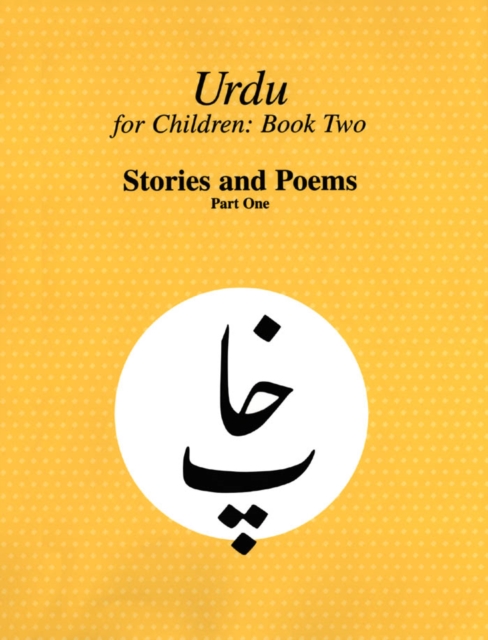
Urdu for Children, Book II, Stories and Poems, Part One
While similar in method to the \"activity-based learning\" introduced in the first set of books, Urdu for Children: Book II is designed to meet the needs of children seven to eight years of age and older. The students' level is determined by their facility in reading, writing, and speaking Urdu rather than their chronological age. The scope of the topics in Book II is wider than in Book I and the forty stories and poems, most of them original, are more complex and longer. The original artwork is richer and more varied and the English-Urdu and Urdu-English vocabulary lists are more comprehensive. Two volumes of Let's Read Urdu have been added to help children enhance their reading skills while a two-part Workbook provides practice exercises in writing and reinforces the new vocabulary introduced in the texts. The activity-based Teacher's Manual provides detailed lesson plans for each Urdu text. Two CDs accompanying the two volumes of the textbook to help ensure standard pronunciation of words and intonations in sentences, and infuse life into the stories. Original music was composed for the poems, allowing children to sing them to help with memorization. Developed by a team of trained public school teachers with extensive backgrounds in teaching Urdu as a heritage language, the Urdu Language Textbook Series helps meet the needs of a rapidly growing Urdu-speaking community in North America. It is the first step towards helping children develop Urdu linguistic skills so that they can keep their heritage and culture alive.
eBook

Urdu for Children, Book 1
Urdu for Children is the first comprehensive instructional package for teaching children Urdu as a second language. It includes a two-volume textbook, a workbook for learning the mechanics of Urdu writing, a comprehensive teacher's manual, and an audio cassette. Aimed at North American children between the ages of four and six, Urdu for Children combines traditional and whole-language instructional methods. The two-volume textbook includes forty lessons, each structured around a story or poem that reflects the theme \"All About Me.\" This theme was chosen because children in the primary division show the greatest enthusiasm for things that relate to themselves. The methodology, outlined in the teacher's manual, was specifically designed to promote the integration of listening, speaking, reading, and writing skills; the children listen to the story or poem recorded on the audio cassette or read by the teacher, repeat it in unison, and read it from the chart. Flash cards, role-playing, and drawing are also used to reinforce vocabulary and comprehension. Developed by a team of trained school teachers with extensive backgrounds in teaching Urdu as a heritage language, Urdu for Children will help meet the needs of a rapidly growing Urdu-speaking community in North America.
eBook
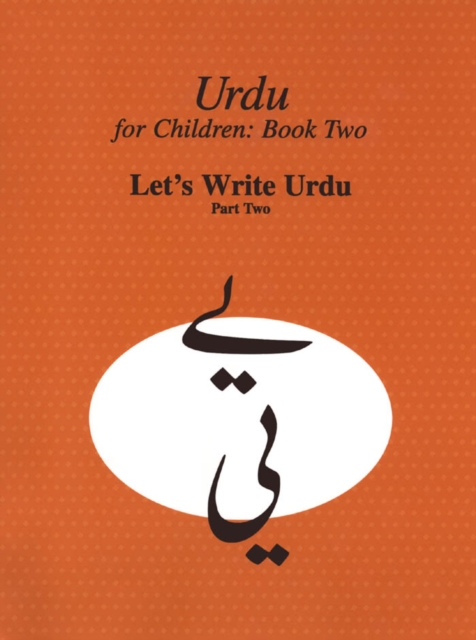
Urdu for Children, Book II, Let's Write Urdu, Part Two
While similar in method to the \"activity-based learning\" introduced in the first set of books, Urdu for Children: Book II is designed to meet the needs of children seven to eight years of age and older. The students' level is determined by their facility in reading, writing, and speaking Urdu rather than their chronological age. The scope of the topics in Book II is wider than in Book I and the forty stories and poems, most of them original, are more complex and longer. The original artwork is richer and more varied and the English-Urdu and Urdu-English vocabulary lists are more comprehensive. Two volumes of Let's Read Urdu have been added to help children enhance their reading skills while a two-part Workbook provides practice exercises in writing and reinforces the new vocabulary introduced in the texts. The activity-based Teacher's Manual provides detailed lesson plans for each Urdu text. Two CDs accompanying the two volumes of the textbook to help ensure standard pronunciation of words and intonations in sentences, and infuse life into the stories. Original music was composed for the poems, allowing children to sing them to help with memorization. Developed by a team of trained public school teachers with extensive backgrounds in teaching Urdu as a heritage language, the Urdu Language Textbook Series helps meet the needs of a rapidly growing Urdu-speaking community in North America. It is the first step towards helping children develop Urdu linguistic skills so that they can keep their heritage and culture alive.
eBook