
Catalogue Search | MBRL


Are you sure you want to remove the book from the shelf?

{{itemTitle}}
958
result(s) for
"Vampires in literature"
Sort by:

Vampires in literature
This volume tracks the evolution of those early vampire myths and discusses how vampires manage to remain fresh in a modern world and popular literature.
Book
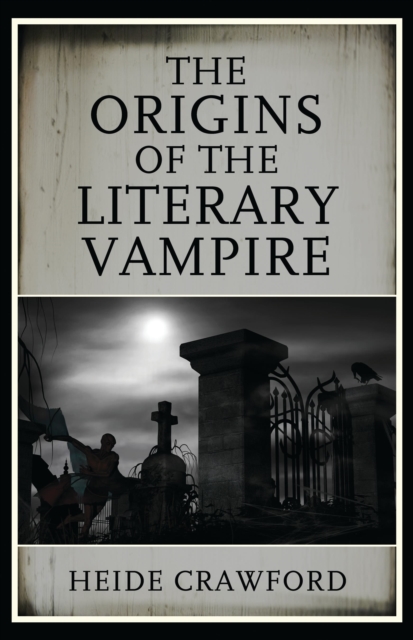
The origins of the literary vampire
The long and distinguished tradition of the literary vampire began in Germany during the Age of Enlightenment. German literature was the first to adapt the vampire figure from central European folklore and superstition and give it literary form. Despite these German origins, scholarly attention devoted to literary vampires has consistently focused on a select set of sources: British and French literature, Bram Stoker’s Dracula, and the phenomenon of the vampire superstition in general. While there have been many illuminating studies of pre-literary vampires and vampires that have already been firmly established as literary figures, the story of the crucial moment of transition from folkloric figure to literary subject has not yet been told. In The Origins of the Literary Vampire Heide Crawford redirects scholarly attention to the body of German poetry and prose where vampire folklore becomes vampire literature. This book focuses on the adaptation of the vampire superstition from central European folklore by German poets in the 18th and early 19th centuries for an audience that had become increasingly interested in superstition and occult phenomena in an Age of Enlightenment. In addition to establishing that the origins of the literary vampire in 18th and 19th century German poetry and prose were informed by the stories and reports of vampires from Central Europe, Crawford argues that the German poets who adapted this figure from superstition for their creative work immediately molded it into a metaphor for contemporary cultural anxieties and fears—a connection that would inspire horror literature in general and the traits of the literary vampire in particular for the 19th century and beyond. Contemporary culture has exhibited a marked fascination with eroticized and politicized applications of the vampire. This volume traces these erotic motifs, common political motifs and others to the first vampire poems that were written by German poets. Consequently, this book answers three central questions: What were the origins of the literary vampire how was the vampire of folklore and superstition adapted for literature and how did German poets contribute to the development of the vampire and Gothic horror literature? By answering these and other questions, The Origins of the Literary Vampire explains how the literary vampire became the ubiquitous horror figure it is today.
eBook

The Female Vampire in Hispanic Literature
This book exposes how turn-of-the-twentieth-century Hispanic authors broke from European and American Gothic models to contend with their own anxieties over modernity and rising first-wave feminisms. The result was a trend of sympathetic female vampires, predating comparable Anglo and European representations by several decades. In its analysis of the female vampire in Hispanic literature, the critical introduction also traces the Gothic's origins and developments in Latin America and Spain, presenting a working theory of Gothic traditions in the form of a transhispanic literary phenomenon. The tales compiled in the collection include Leopoldo Lugones's 'The Female Vampire' (1899), Clemente Palma's 'The White Farmhouse' (1904), Antonio de Hoyos y Vinent's 'Mr. Cadaver and Miss Vampire' (1910), Carmen de Burgos's The Cold Woman (1922), and Horacio Quiroga's 'The Vampire' (1927). Only two of these tales have been previously been translated into English, and each appears here for the first time with scholarly annotations and accompanying analysis.
eBook

The Cambridge companion to Dracula
\"Bram Stoker's Dracula is the most famous vampire in literature and film. This new collection of sixteen essays brings together a range of internationally renowned scholars to provide a series of pathways through this celebrated Gothic novel and its innumerable adaptations and translations. The volume illuminates the novel's various pre-histories, critical contexts and subsequent cultural transformations. Chapters explore literary history, Gothic revival scholarship, folklore, anthropology, psychology, sexology, philosophy, occultism, cultural history, critical race theory, theatre and film history, and the place of the vampire in Europe and beyond. These studies provide an accessible guide of cutting-edge scholarship to one of the most celebrated modern Gothic horror stories. This Companion will serve as a key resource for scholars, teachers and students interested in the enduring force of Dracula and the seemingly inexhaustible range of the contexts it requires and readings it might generate.\"-- Provided by publisher.
Book
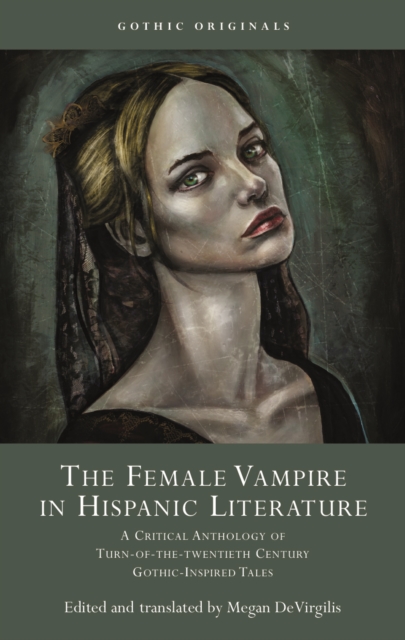
The Female Vampire in Hispanic Literature: A Critical Anthology of Turn of the 20th Century Gothic-Inspired Tales
This book exposes how turn-of-the-twentieth-century Hispanic authors broke from European and American Gothic models to contend with their own anxieties over modernity and rising first-wave feminisms. The result was a trend of sympathetic female vampires, predating comparable Anglo and European representations by several decades. In its analysis of the female vampire in Hispanic literature, the critical introduction also traces the Gothic's origins and developments in Latin America and Spain, presenting a working theory of Gothic traditions in the form of a transhispanic literary phenomenon. The tales compiled in the collection include Leopoldo Lugones's 'The Female Vampire' (1899), Clemente Palma's 'The White Farmhouse' (1904), Antonio de Hoyos y Vinent's 'Mr. Cadaver and Miss Vampire' (1910), Carmen de Burgos's The Cold Woman (1922), and Horacio Quiroga's 'The Vampire' (1927). Only two of these tales have been previously been translated into English, and each appears here for the first time with scholarly annotations and accompanying analysis.
eBook

Princess before dawn
Annie and Liam call on their friends Francis and Zoe to help when a strange group visits Treecrest and takes over the hunting grounds.
Book
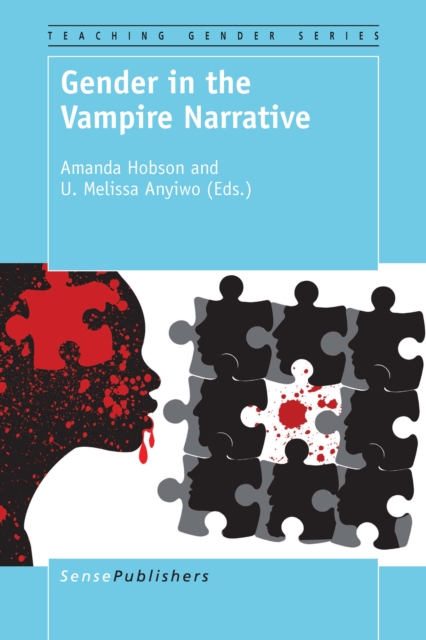
Gender in the Vampire Narrative
Gender in the Vampire Narrative addresses issues of masculinity and femininity, unpacking cultural norms of gender. This collection demonstrates the way that representations of gender in the vampire narrative traverse a large scope of expectations and tropes.
eBook

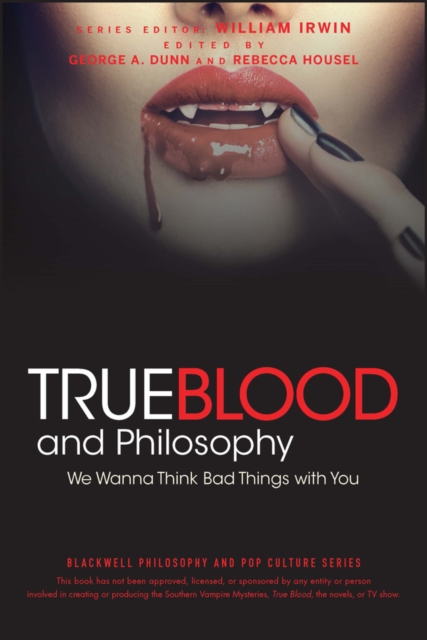
True blood and philosophy : we wanna think bad things with you
TRUEBLOOD and Philosophy Does God hate fangs?Is Sam still Sam when he turns into a collie?Is coming out of the coffin the same as coming out of the closet?Are all vampires created evil?Vampires, werewolves, shapeshifters, fairies, telepaths-- True Blood has it all.
eBook