
Catalogue Search | MBRL


Are you sure you want to remove the book from the shelf?

{{itemTitle}}
12,325
result(s) for
"Vest"
Sort by:


Tactile spatial discrimination on the torso using vibrotactile and force stimulation
There is a steadily growing number of mobile communication systems that provide spatially encoded tactile information to the humans’ torso. However, the increased use of such hands-off displays is currently not matched with or supported by systematic perceptual characterization of tactile spatial discrimination on the torso. Furthermore, there are currently no data testing spatial discrimination for dynamic force stimuli applied to the torso. In the present study, we measured tactile point localization (LOC) and tactile direction discrimination (DIR) on the thoracic spine using two unisex torso-worn tactile vests realized with arrays of 3 × 3 vibrotactile or force feedback actuators. We aimed to, first, evaluate and compare the spatial discrimination of vibrotactile and force stimulations on the thoracic spine and, second, to investigate the relationship between the LOC and DIR results across stimulations. Thirty-four healthy participants performed both tasks with both vests. Tactile accuracies for vibrotactile and force stimulations were 60.7% and 54.6% for the LOC task; 71.0% and 67.7% for the DIR task, respectively. Performance correlated positively with both stimulations, although accuracies were higher for the vibrotactile than for the force stimulation across tasks, arguably due to specific properties of vibrotactile stimulations. We observed comparable directional anisotropies in the LOC results for both stimulations; however, anisotropies in the DIR task were only observed with vibrotactile stimulations. We discuss our findings with respect to tactile perception research as well as their implications for the design of high-resolution torso-mounted tactile displays for spatial cueing.
Journal Article

Do riders who wear an air jacket in equestrian eventing have reduced injury risk in falls? A retrospective data analysis
To investigate the association between air jacket usage and rider injury severity in equestrian eventing competition falls world-wide.
Retrospective data analysis.
An analysis was conducted on Fédération Equestre Internationale data for 1819 riders who fell wearing an air jacket and 1486 riders who fell while not wearing an air jacket from 2015 to 2017. Injury data were categorised as either ‘no/slight injury’ or ‘serious/fatal injury’. A chi-square test determined whether an association was present between injury severity category and air jacket usage and binary logistic regression determined the effect size of this association.
As a result of falls, 3203 riders sustained no/slight injuries and 102 sustained serious/fatal injuries. While 55.0% of riders who fell were wearing an air jacket, they represented 67.6% of the serious/fatal injury outcomes. Air jacket usage was significantly associated with serious/fatal injuries in falls (X² = 6.76; p = 0.009). Riders wearing an air jacket had 1.7 times (95%CI 1.14–2.64) increased odds of sustaining a serious or fatal injury in a fall compared to riders not wearing an air jacket.
Riders wearing an air jacket were over represented in the percentage of serious or fatal injuries in falls compared to riders who only wore a standard body protector. Further research is needed to understand the reason(s) for this finding. It is recommended that additional data on injury outcomes, rider characteristics and the biomechanics of falls be examined in future analyses, and that air jacket and body protector characteristics be further investigated.
Journal Article

The effect of cooling vest along with hospital full-body protection equipment on physiological and cognitive indicators among hospital nurses: an interventional study
Background
Nurses experience physiological and cognitive challenges in high-temperature hospitals while wearing full-body Personal Protective Equipment (PPE). Identifying solutions is crucial for their well-being and performance. The aim of this study was to assess the effects of integrating cooling vests into full-body PPE on physiological and cognitive markers among hospital nurses in Iran.
Methods
Forty nurses from Shiraz, Iran, participated, with 20 participants in the control group and 20 participants in the intervention group. The control group wore standard PPE, while the intervention group used cooling vests with their PPE. Objective evaluations included physiological measurements and cognitive function tests, while subjective evaluations assessed fatigue, thermal sensation, thirst, and moisture.
Results
Physiological measurements, including heart rate maximum, and energy expenditure, showed no notable differences between the two groups. The effect of the cooling vest in the Continuous Performance Test (CPT) in comparison between the two groups decreased the response time (
p
< 0.001). The N-Back test, no response (
p
= 0.189), and response time (
p
= 0.871) between the two groups showed no significant difference. Subjective parameters were considerable reduced in the intervention group (
p
< 0.001).
Conclusion
Integrating cooling vests into PPE may alleviate physiological and cognitive challenges nurses experience in high-temperature environments, emphasizing the importance of providing appropriate PPE and cooling solutions for healthcare professionals working in hot conditions.
Clinical trial number
Not applicable.
Journal Article
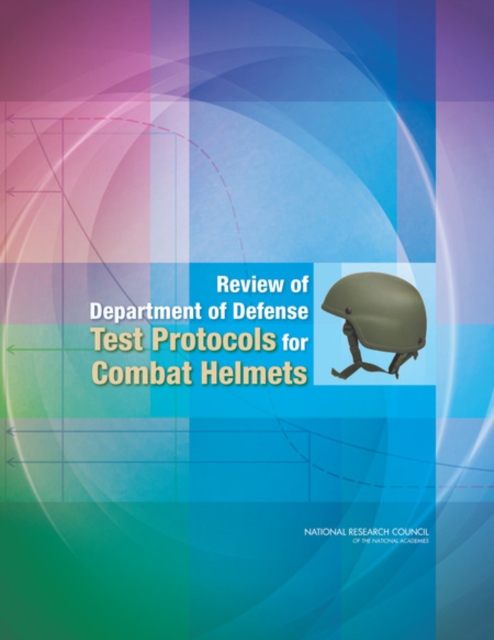
Review of Department of Defense Test Protocols for Combat Helmets
Combat helmets have evolved considerably over the years from those used in World War I to today's Advanced Combat Helmet.One of the key advances was the development of aramid fibers in the 1960s, which led to today's Kevlar-based helmets.
eBook

The ‘end of the world’ vs. the ‘end of the month’: understanding social resistance to sustainability transition agendas, a lesson from the Yellow Vests in France
This paper investigates the Yellow Vests movement and the extent it constitutes an original platform for resistance to a sustainability transition agenda in the French context. The movement represents a disruption to global climate mitigation solutions that are often formalized at a global scale, and illustrates cultural and economic constraints in providing social justice in the age of climate change. Using a cultural performative approach, this case study reveals the relevance of framing and cultural analyses to understand such resistance. This qualitative exploration initiates a narrative analysis to assess how the universal resolve of the 2015 Paris Conference and the related legitimacy of the sustainability discourse has been further contested by the Yellow Vests and their fractured framing. From the ‘end of the world’ to the ‘end of the month’, we investigate the rise and fall of the legitimacy of the French sustainability discourse by analysing politicians’ and activists’ speeches, historical narratives as well as visual materials of resistance in France in the context of sustainability transitions. Tip of a broader social crisis, the movement reveals an original conflict of temporalities, symptomatic of the inevitable interdependency of socio-economic inequalities to sustainability transitions. Beyond the resistance itself, the Yellow Vests embody an original exemplar for the importance of cultural appropriation within the sustainability discourse’ legitimation processes.
Journal Article

Airbag Vests in Equestrian Sports: Is Use Associated with Harm?
Airbag vests (AV) are increasingly popular in equestrian sports. The efficacy of AV in protecting against serious injury has not been adequately analyzed, nor have product testing standards been established. This study provides an overview of current research to understand AV efficacy and future areas of improvement. A systematic review applying the PRISMA framework, NIH Study Quality Assessment, and CEBM Level of Evidence was conducted. Employing variations of “equestrian sport,” “powered two-wheeled vehicle,” “thoracic injury,” “chest deflection,” “airbag vest,” and “safety vest,” 18 articles were identified for data collection from three recognized research databases and citation searching. In laboratory settings, the ability of AV to protect against thoracic injuries was variable based on concurrent foam-based safety vest (SV) usage, impact speed, and impact mechanism. Studies that examined equestrian falls with AV found an association with increased injury rates and risk. SVs were shown to provide inconclusive efficacy in protecting against injuries in experimental and cohort studies. Protective capabilities depend on material, temperature, and impact mechanism. Further limiting use, equestrians reported not wearing, or incorrectly wearing SV due to unknown benefits, low comfort, and ill fit. In equestrian sports, based on published literature to date, AV have not been associated with a reduction in injury. AV appear to be associated with an increase in the risk of serious or fatal injuries in certain settings. However, research in this area is limited and future, large-scale studies should be conducted to further evaluate the efficacy of the air vests.
Journal Article

Ecological Security Pattern Construction in Rural Settlements Based on Importance and Vulnerability of Ecosystem Services: A Case Study of the Southeast Region of Chongqing, China
With the development of urbanization, a large number of village settlements have disappeared. As important carriers of ethnic and cultural heritage, village settlements are important for the continuation of folk culture and farming spirit. Building a regional ecological security pattern helps to protect the integrity of village settlements and promote the sustainable development of the Chinese nation. In this work, the importance of ecosystem services was first obtained by using the Integrated Valuation of Ecosystem Services and Tradeoffs model (In-VEST) and the revised universal soil loss equation model (RUSLE) to evaluate the regional ecosystem services in the southeastern region of Chongqing (SRC). Then, the ecological importance evaluation results were combined with the sensory evaluation results to derive ecological conservation importance areas and identify ecological source points in their high-value areas. Finally, the ecological corridors were obtained by the minimum cumulative resistance model (MCR). The regional ecological security pattern was constructed, i.e., the triangular protection area strategy of “one screen, one belt, and three cores”. The results show the following: the total area of ecological source sites larger than 20 km2 in SRC is 436.02 km2, accounting for 2.28% of the area of SRC. The largest ecological patch is 69.93 km2, accounting for 16.04% of the total area of ecological source sites. Thirteen ecological source sites were identified as follows: four in Youyang County, three in Shizhu County, three in Wulong County, and one in Pengshui County. There are 78 ecological corridors with a total length of 4832.82 km, including 32 important ecological corridors with a length of about 1544.53 km and 46 potential ecological corridors with a length of about 3288.29 km. Based on the minimum cumulative model constructed by eight resistance factors, the spatial variation of the ecological resistance surface was analyzed, showing a trend of being high in the west and central part and low in the surrounding area. There are one high-value area of the resistance surface of Wulong County Nature Reserve and one high-value area of ecological sensitivity that overlap to the extreme, and which should be given sufficient protection attention. The core protected areas consist of three mountains including the Qiyao Mountain Range, the Wuling Mountain Range, and the Wulong County Nature Reserve. The ecological security pattern in SRC based on the mode of “source–ecological corridor–ecological node” can identify important ecological function areas, providing scientific guidance for sustainable development and ecological security protection in the ethnic village settlements in China.
Journal Article

ISOD: improved small object detection based on extended scale feature pyramid network
Rapid and accurate target detection is one of the inevitable requirements of intelligent construction site. To meet the speed requirements and improve detection accuracy, an improved small object detection (ISOD) network is proposed. The network utilizes an efficient channel attention mechanism to extract features in the backbone and combines the proposed extended scale feature pyramid network to simplify calculations and create additional high-resolution pyramid layers to improve the ability of detecting small targets. To verify the effectiveness of ISOD, experiments are conducted using the proposed Reflective Vest Scene Dataset and Tsinghua-Tencent 100K, achieving 0.425 and 0.635 mAP@0.5-0.95, respectively, exceeding the SOTA YOLOv7 model, demonstrating its excellent small target detection capability and scalability.
Journal Article