
Catalogue Search | MBRL


Are you sure you want to remove the book from the shelf?

{{itemTitle}}
15
result(s) for
"Vieillesse dans la littérature."
Sort by:


Writing Old Age and Impairments in Late Medieval England
The old speaker in Middle English literature often claims to be impaired because of age. This admission is often followed by narratives that directly contradict it, as speakers, such as the Reeve in Chaucer's Canterbury Tales or Amans in Gower's Confessio Amantis , proceed to perform even as they claim debility. More than the modesty topos , this contradiction exists, the book argues, as prosthesis: old age brings with it debility, but discussing age-related impairments augments the old, impaired body, while simultaneously undercutting and emphasizing bodily impairments. This language of prosthesis becomes a metaphor for the works these speakers use to fashion narrative, which exist as incomplete yet powerful sources.
eBook

Constituting Old Age in Early Modern English Literature, from Queen Elizabeth to King Lear
How did Shakespeare and his contemporaries, whose works mark the last quarter century of Elizabeth I’s reign as one of the richest moments in all of English literature, regard and represent old age? Was late life seen primarily as a time of withdrawal and preparation for death, as scholars and historians have traditionally maintained? In this book, Christopher Martin examines how, contrary to received impressions, writers and thinkers of the era—working in the shadow of the kinetic, longlived queen herself—contested such prejudicial and dismissive social attitudes. In late Tudor England, Martin argues, competing definitions of and regard for old age established a deeply conflicted frontier between external, socially “constituted” beliefs and a developing sense of an individual’s “constitution” or physical makeup, a usage that entered the language in the mid1500s. This space was further complicated by internal divisions within the opposing camps. On one side, reverence for the elder’s authority, rooted in religious and social convention, was persistently challenged by the discontents of an ambitious younger underclass. Simultaneously, the aging subject grounded an enduring social presence and dignity on a bodily integrity that time inevitably threatened. In a historical setting that saw both the extended reign of an aging monarch and a resulting climate of acute generational strife, this network of competition and accommodation uniquely shaped late Elizabethan literary imagination. Through fresh readings of signature works, genres, and figures, Martin redirects critical attention to this neglected aspect of early modern studies.
eBook
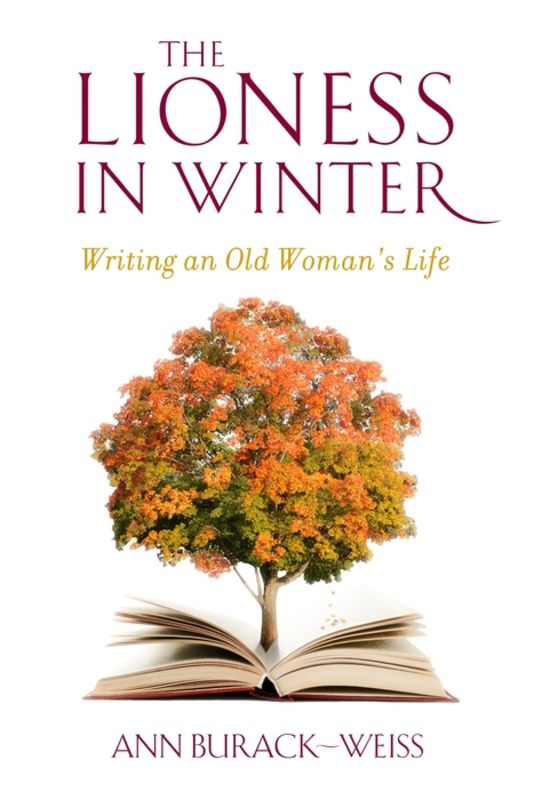
The lioness in winter
When she started working with the aged more than forty years ago, Ann Burack-Weiss began storing the knowledge and skills she thought would help when she got old herself. It was not until she hit her mid-seventies that she realized she had packed sneakers to climb Mount Everest, not anticipating the crevices and chasms that constitute the rocky terrain of old age. The professional gerontological and social work literature offered little help, so she turned to the late-life works of beloved women authors who had bravely climbed the mountain and sent back news from the summit. Maya Angelou, Colette, Simone de Beauvoir, Joan Didion, Marguerite Duras, M. F. K. Fisher, Doris Lessing, Mary Oliver, Adrienne Rich, May Sarton, and Florida Scott-Maxwell were among the many guides she turned to for inspiration.
InThe Lioness in Winter, Burack-Weiss blends an analysis of key writings from these and other famed women authors with her own wisdom to create an essential companion for older women and those who care for them. She fearlessly examines issues such as living with loss, finding comfort and joy in unexpected places, and facing disability and death. This book is filled with powerful passages from women who turned their experiences of aging into art, and Burack-Weiss ties their words to her own struggles and epiphanies, framing their collective observations with key insights from social work practice.
eBook
As Time Goes By
Academic work in a range of disciplines has been making an important contribution to the fraught and confusing debate around ageing, and through writers' consciousness and experience, literature, just like economics, psychology, history and sociology, can provide valuable insights into the attitudes and prejudices prevalent in society. The present volume adds to this burgeoning field by providing a wide spectrum of literary analyses drawing on a range of approaches (Freud, Lacan, Kristeva and feminist theory, amongst others) and covering a broad geographical area (France, Germany, Italy, Portugal, Spain and Switzerland, in addition to Francophone Canada and Morocco). Major writers such as Balzac, Cervantes, Goethe, Mann and Zola are discussed here, as well as a number of important twentieth-century writers (Ben Jelloun, Cixous, Doubrovsky, Ernaux, Roy and Ungaretti) and less well-known figures (Carvalho, Châtelet and Fleutiaux).Within the broad themes which structure the volume, many others also emerge, overlapping and often recurring in several sections. These constant echoes between essays remind us that, whatever the geographical location or the period in history, similar issues remain pertinent across time and space, whether it be family relations, generational solidarity, sadness and loneliness, memory and dementia, class differences, gender differences or sexuality.Together, these essays contribute to the existing body of critical work by providing a series of portraits of what age is, has been and might be in the future. Collectively they demonstrate once more the power of literature to reflect or even prefigure social trends, encouraging us to consider carefully what we think, how we live and how we might shape our future societies.
eBook
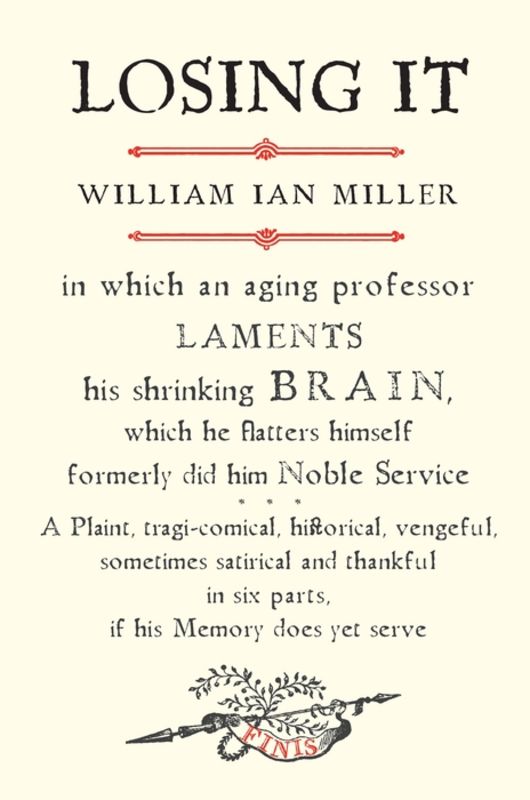
Losing It
InLosing It,William Ian Miller brings his inimitable wit and learning to the subject of growing old:too old to matter, of either rightly losing your confidence or wrongly maintaining it, culpably refusing to face the fact that you are losing it.The \"it\" in Miller's \"losing it\" refers mainly to mental faculties-memory, processing speed, sensory acuity, the capacity to focus. But it includes other evidence as well-sags and flaccidities, aches and pains, failing joints and organs. What are we to make of these tell-tale signs? Does growing old gracefully mean more than simply refusing unseemly cosmetic surgeries? How do we face decline and the final drawing of the blinds? Will we know if and when we have lingered too long?
Drawing on a lifetime of deep study and anxious observation, Miller enlists the wisdom of the ancients to confront these vexed questions head on. Debunking the glossy new image of old age that has accompanied the graying of the Baby Boomers, he conjures a lost world of aging rituals-complaints, taking to bed, resentments of one's heirs, schemes for taking it with you or settling up accounts and scores-to remind us of the ongoing dilemmas of old age. Darkly intelligent and sublimely written, this exhilarating and eccentric book will raise the spirits of readers, young and old.
eBook
Old Age in the Middle Ages and the Renaissance
After an extensive introduction that takes stock of the relevant research literature on Old Age in the Middle Ages and the early modern age, the contributors discuss the phenomenon of old age in many different fields of late antique, medieval, and early modern literature, history, and art history. Both Beowulf and the Hildebrandslied, both Wolfram von Eschenbach's Parzival and Titurel, both the figure of Merlin and the trans-European tradition of Perceval/Peredur/Parzival, then the figure of the vetula in a variety of medieval French, English, and Spanish texts, and of the Old Man in The Stricker's Daniel, both the treatment of old age in Langland's Piers the Plowman and in Jean Gerson's sermons are dealt with. Other aspects involve late-antique epistolary literature, early modern French farce in light of Disability Studies, the social role of old, impotent men in sixteenth- and seventeenth-century Netherlandish paintings, and the scientific discourse of old age and health since the 1500s. The discourse of Old Age proves to have been of central importance throughout the ages, so the critical examination of the issues involved sheds intriguing light on the cultural history from late antiquity to the seventeenth century.
eBook
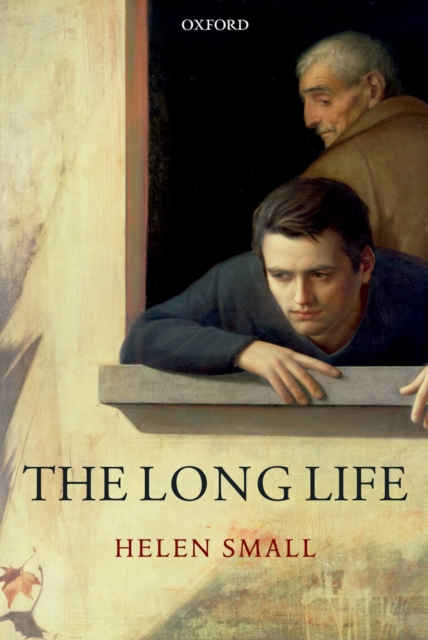
The long life
The first major consideration of old age in Western philosophy and literature since Simone de Beauvoir's The Coming of Age, Helen Small ranges widely from Plato through to recent work by Derek Parfit, Bernard Williams and others, and from King Lear through Balzac, Dickens, Beckett, Stevie Smith, Bellow, Roth, and Coetzee.
eBook
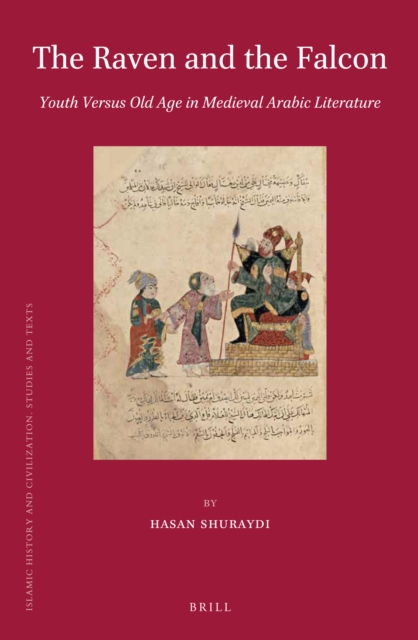
The raven and the falcon : youth versus old age in medieval Arabic literature
This book fills a long-standing gap in Arabic-Islamic studies. Hasan Shuraydi presents an in-depth survey of relevant themes that concern youth and old age in Medieval Arabic literature in an informative and entertaining style intended for specialists and non-specialists.
eBook

Writing Old Age and Impairments in Late Medieval England
The old speaker in Middle English literature often claims to be impaired because of age. This admission is often followed by narratives that directly contradict it, as speakers, such as the Reeve in Chaucer's Canterbury Tales or Amans in Gower's Confessio Amantis, proceed to perform even as they claim debility. More than the modesty topos, this contradiction exists, the book argues, as prosthesis: old age brings with it debility, but discussing age-related impairments augments the old, impaired body, while simultaneously undercutting and emphasizing bodily impairments. This language of prosthesis becomes a metaphor for the works these speakers use to fashion narrative, which exist as incomplete yet powerful sources.
eBook