
Catalogue Search | MBRL


Are you sure you want to remove the book from the shelf?

{{itemTitle}}
21
result(s) for
"Visual communication Iran."
Sort by:

Seen and unseen : visual culture of imperialism
\"Seen and Unseen teases out and explores how visual mediums construct visual cultures that often create limited perspectives of certain issues and groups, specific to this volume, the representation of Islam and Muslims. It deals with fixed and stereotypical visual representations and explores alternative and challenging visual representations which reconstruct and dismantle existing belief systems. It approaches the topic from a vantage point of diverse multiple perspectives. Covering issues from Brunei, Iran, Egypt, and England and cyberspace, essays examine the visual cultures of how Islam and Muslim people are understood, misunderstood, misrepresented, or even embraced visually. Scholars in this volume draw on historical paintings, books and their covers, photography, and news to demonstrate the diversity and sometimes contradictory visual cultures that construct and adhere meaning to how Islam and Muslim people are seen. Contributors: Hoda Afshar, Jared Ahmed, Syed Farid Alatas, Sanaz Fotouhi, Christiane Gruber, Layla Hendow, Raihana M.M., Bruno Starrs and Esmaeil Zeiny\"-- Provided by publisher.
Book

Development, comparison, and internal validation of prediction models to determine the visual prognosis of patients with open globe injuries using machine learning approaches
Introduction
Open globe injuries (OGI) represent a main preventable reason for blindness and visual impairment, particularly in developing countries. The goal of this study is evaluating key variables affecting the prognosis of open globe injuries and validating internally and comparing different machine learning models to estimate final visual acuity.
Materials and methods
We reviewed three hundred patients with open globe injuries receiving treatment at Khatam-Al-Anbia Hospital in Iran from 2020 to 2022. Age, sex, type of trauma, initial VA grade, relative afferent pupillary defect (RAPD), zone of trauma, traumatic cataract, traumatic optic neuropathy (TON), intraocular foreign body (IOFB), retinal detachment (RD), endophthalmitis, and ocular trauma score (OTS) grade were the input features. We calculated univariate and multivariate regression models to assess the association of different features with visual acuity (VA) outcomes. We predicted visual acuity using ten supervised machine learning algorithms including multinomial logistic regression (MLR), support vector machines (SVM), K-nearest neighbors (KNN), naïve bayes (NB), decision tree (DT), random forest (RF), bagging (BG), adaptive boosting (ADA), artificial neural networks (ANN), and extreme gradient boosting (XGB). Accuracy, positive predictive value (PPV), recall, F-score, brier score (BS), Matthew correlation coefficient (MCC), receiver operating characteristic (AUC-ROC), and calibration plot were used to assess how well machine learning algorithms performed in predicting the final VA.
Results
The artificial neural network (ANN) model had the best accuracy to predict the final VA. The sensitivity, F1 score, PPV, accuracy, and MCC of the ANN model were 0.81, 0.85, 0.89, 0.93, and 0.81, respectively. In addition, the estimated AUC-ROC and AUR-PRC of the ANN model for OGI patients were 0.96 and 0.91, respectively. The brier score and calibration log-loss for the ANN model was 0.201 and 0.232, respectively.
Conclusion
As classic and ensemble ML models were compared, results shows that the ANN model was the best. As a result, the framework that has been presented may be regarded as a good substitute for predicting the final VA in OGI patients. Excellent predictive accuracy was shown by the open globe injury model developed in this study, which should be helpful to provide clinical advice to patients and making clinical decisions concerning the management of open globe injuries.
Journal Article

The development of residential spatial configuration for visual privacy in Iranian dwellings, a space syntax approach
PurposeThe study's main objective is to evaluate the morphological developments in the characteristics of the spatial configurations of the residential layouts in Kerman, Iran, in examining the impact on the level of visual privacy through the spectrum of permeability and wayfinding in space syntax analysis.Design/methodology/approachIn this paper, plan graph analysis is used to measure the syntactic properties of seven topological residential architecture plans in Kerman, Iran, built from the 1970s to 2010s. The methodology involves the development of mathematical measurements to signify permeability and simulation of visibility graph analysis (VGA) to indicate wayfinding.FindingsThe findings reveal the residential layouts of Iranian houses tend to be less integrated over decades of design development from the 1970s to 2010s. Reduction in spatial integration corresponds to increase segregation allowing for enhanced visual privacy. The study underpins that, even with the constraints in the scale of the house and reduction in the number of nodes, as evident in the design of the modern residential layout, the efficient level of visual privacy is still achievable with regards to the standards demanded by the local culture.Originality/valueThe study examines the development in residential spatial configuration and building scale on visual privacy through a proposed methodology based on the level of permeability and wayfinding measured as a combined effect using the space syntax analysis and visual accessibility.
Journal Article

Image Politics in the Middle East
Politics in the Middle East is now ‘seen’ and the image is playing a central part in processes of political struggle. This is the first book in the literature to engage directly with these changing ways of communicating politics in the region - and particularly with the politics of the image, its power as a political tool. Lina Khatib presents a cross-country examination of emerging trends in the use of visuals in political struggles in the Middle East, from the Cedar Revolution in Lebanon to the Green Movement in Iran, to the Arab Spring in Egypt, Syria and Libya. She demonstrates how states, activists, artists and people ‘on the street'’ are making use of television, the social media and mobile phones, as well as non-electronic forms, including posters, cartoons, billboards and graffiti to convey and mediate political messages. She also draws attention to politics as a visual performance by leaders and citizens alike.
eBook

Assessment of refractive errors, amblyopia, strabismus, and low vision among hearing-impaired and deaf students in Kermanshah
Background and Aim
Refractive errors, amblyopia, strabismus, and low vision are more common among children with hearing impairments in comparison with their hearing peers. Neglecting visual disorders can pose educational and social problems for these children. The present study aimed to assess the prevalence of refractive errors, amblyopia, strabismus, and low vision among hearing-impaired and deaf students in Kermanshah.
Materials and methods
A total of 79 deaf and hearing impaired students within the age range of 7–20 years (mean age of 15.01 ± 2.72) underwent optometric examinations, including autorefractometry, retinoscopy, ophthalmoscopy, slit lamp, visual acuity measurement, and cover-uncover test. Those who needed further evaluation were referred to the Ophthalmology Clinic of Imam Khomeini Hospital.
Results
Regarding the prevalence of refractive errors, 32 (40.5%) subjects had one or a combination of refractive errors, the most common of which was astigmatism (36.7%), followed by amblyopia (15.1%). The most common type of strabismus was latent strabismus (heterophoria) (88.6%), followed by exophoria (81%). Moreover, 3 (3.7%) cases had nystagmus. A significant difference was observed between the prevalence of amblyopia and the degree of hearing loss (
P
= 0.026), and no significant difference was detected in other cases.
Conclusion
As evidenced by the obtained results, refractive errors, amblyopia, strabismus, and low vision are more prevalent among deaf and hearing-impaired children compared to normal children because deaf and hearing-impaired children are not able to convey their vision problems and need to compensate for their poor hearing with an enhanced sense of sight, inattention to these disorders can present these children with serious educational and social problems. Therefore, eye screening examinations are of paramount importance in deaf and hearing-impaired children.
Journal Article

Damsels in distress: gender and negative place branding
This article provides a historical perspective on how institutionalized articulations of gender in visual news narratives may contribute towards the erosion of a country’s soft power potential. It analyses thirty years of photographic coverage given by an elite western publication, Time magazine to women from two countries with problematic place brands: Iran and Pakistan. This study documents how iterative longitudinal patterns of visual grammar contribute towards the layered marginalization of women within narratives. Women are much less visible in terms of image frequency, with selective value placed on certain kinds of female subjects across the decades, choices often shaped by stereotypes as well as foreign policy preferences. For Iranian women, the visual discourse empowers women resisting conservative forces, and valorizes trailblazers redefining the public space. For Pakistani women, a narrative showcasing political activism devolves into one highlighting victims/activists in the context of gender-based discrimination. The choice of ‘valuable’ bodies in both instances, expressed with the help of quantifiable semiotic trends in camera angles, shot and gaze, is imbued with indirect judgment of the political leadership and cultural and socio-political systems of the countries themselves. In both cases, the overall narrative is of a system pre-disposed to oppress women, thus negatively juxtaposing the ‘people’ aspect of the Anholt Nation Brand Index against the elements of governance, culture and heritage, to the overall detriment of both place brands.
Journal Article
Improving the quality of Persian clinical text with a novel spelling correction system
Background
The accuracy of spelling in Electronic Health Records (EHRs) is a critical factor for efficient clinical care, research, and ensuring patient safety. The Persian language, with its abundant vocabulary and complex characteristics, poses unique challenges for real-word error correction. This research aimed to develop an innovative approach for detecting and correcting spelling errors in Persian clinical text.
Methods
Our strategy employs a state-of-the-art pre-trained model that has been meticulously fine-tuned specifically for the task of spelling correction in the Persian clinical domain. This model is complemented by an innovative orthographic similarity matching algorithm, PERTO, which uses visual similarity of characters for ranking correction candidates.
Results
The evaluation of our approach demonstrated its robustness and precision in detecting and rectifying word errors in Persian clinical text. In terms of non-word error correction, our model achieved an F1-Score of 90.0% when the PERTO algorithm was employed. For real-word error detection, our model demonstrated its highest performance, achieving an F1-Score of 90.6%. Furthermore, the model reached its highest F1-Score of 91.5% for real-word error correction when the PERTO algorithm was employed.
Conclusions
Despite certain limitations, our method represents a substantial advancement in the field of spelling error detection and correction for Persian clinical text. By effectively addressing the unique challenges posed by the Persian language, our approach paves the way for more accurate and efficient clinical documentation, contributing to improved patient care and safety. Future research could explore its use in other areas of the Persian medical domain, enhancing its impact and utility.
Journal Article

Simulation-based learning to enhance students’ knowledge and skills in educating older patients
Training nursing students in older patient education may be facilitated by the student elderly simulated-patient strategy. The purpose of this study was to determine the effects of simulation-based learning on students' skills in providing education to older patients. A quasi-experimental design with repeated measures was used. Nursing students enrolled in clinical courses in their semesters 7 and 8 of the program were randomly assigned to simulation-based learning (SBL) group (n = 35) or lecture-based learning (LBL) group (n = 35). In SBL, the student simulated-elderly patients equipped with devices for the age-related hearing loss, vision impairment, and neck, finger, and arm joint stiffness was trained to present the educational content to the students. Outcome (knowledge, attitudes, and skills) data were collected at pre-test, post-test, and one-month follow-up, using reliable measures. Data were analyzed with repeated measures analysis of variance. Students in the SBL and LBL groups were comparable at pre-test. All students demonstrated improvement in knowledge and skills in older patient education over time; however, students in the SBL group had larger and more durable improvements in these outcomes than those in the LBL group (all p's < .001). SBL is a promising instructional method, with long term benefits in improving students' skills.
•Students could easily equipped to perform as the elderly simulated-patients.•Student elderly simulated-patient was useful in a Simulation-based learning.•Students' knowledge in older patient-education significantly increased in the SBL.•Students' skills in older patient-education considerably improved in the SBL.•However, the students' attitude to geriatrics needs more investigation.
Journal Article

Learning Style and Task Performance in Synchronous Computer-Mediated Communication: A Case Study of Iranian EFL Learners
The study reported here explores whether English as a foreign Language (EFL) learners' preferred ways of learning (i.e., learning styles) affect their task performance in computer-mediated communication (CMC). As Ellis (2010) points out, while the increasing use of different sorts of technology is witnessed in language learning contexts, it is worth studying the conditions in which the most second language (L2) production would be accomplished. The participants were 40 advanced-level Iranian EFL learners enrolled at a language institute in Tehran. Learners' individual learning styles were probed by Felder-Soloman (1991) Index of Learning Style (ILS) and they were categorized into 8 groups, within 4 dimensions: Active vs. Reflective, Sensing vs. Intuitive, Visual vs. Verbal, and Sequential vs. Global learners. Then, the participants were given the opinion-gap tasks in 6 consecutive online chat sessions within a 3-week period. The participants' produced language was analyzed at two levels: vocabulary, and grammar. Independent samples t-test were conducted to check if the differences between the groups were significant. The results reveal that the Reflective learners and Visual Learners produced grammatically more complex and lexically denser sentences than the other groups, which suggests that learners' learning styles may affect their task performance in synchronous computer-mediated communication.
Journal Article
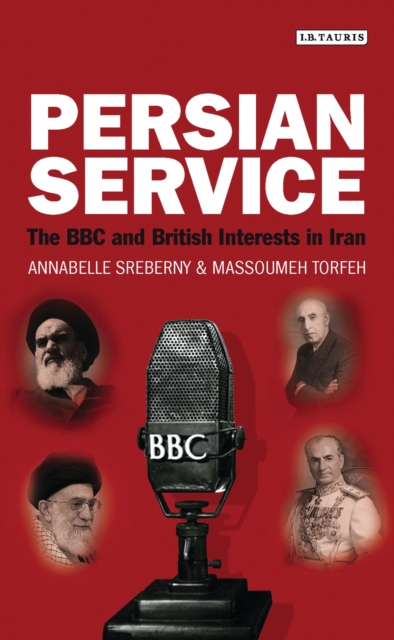
Persian Service
Rumour and speculation in Iran have been rife for generations that the BBC has had a hand in every political upheaval in the country. In this vein the BBC has become a notable element in the complex and tortured narrative of Anglo-Iranian relations. The BBC Persian Service was initially developed in 1940 to prepare and broadcast British war-time propaganda. And it has since been seen by many in Iran as an integral part of British policy-making in the region. Thirty years ago, the Shah of Iran regarded the BBC Persian Service radio as his ‘enemy number one’ and held it responsible for promoting the revolution of 1979. Only a couple decades earlier, the BBC Persian Service was widely accused for having been complicit in the CIA-led 1953 coup against Prime Minister Mohammad Musaddiq. And a decade earlier, the BBC Persian Service was strongly linked to the British-planned removal of Reza Shah in 1941. The BBC Persian service has frequently been perceived as an entity which was not simply a vehicle to record the changes occurring in Iran and throughout the Middle East, but rather an active agent of change. In this book, Annabelle Sreberny and Massoumeh Torfeh track the history of the BBC Persian Service, critically analysing both the assumptions that the BBC is a standard bearer for objective reporting and representations of it as a simple tool of Western interests. Also examining the history of relations between the Foreign Office and the BBC Persian Service, they demonstrate that these have never been pre-defined or rigid. Instead, they explore how both institutions have moved from an interest in what can crudely be called state-orchestrated ‘propaganda’ to a more subtle advocacy of fair and balanced journalism as the best agent of British values and influence.
eBook