
Catalogue Search | MBRL


Are you sure you want to remove the book from the shelf?

{{itemTitle}}
674,328
result(s) for
"WILDLIFE"
Sort by:

Where once there was a wood
Examines the many forms of wildlife that can be displaced if their environment is destroyed by development and discusses how communities and schools can provide spaces for them to live.
Book

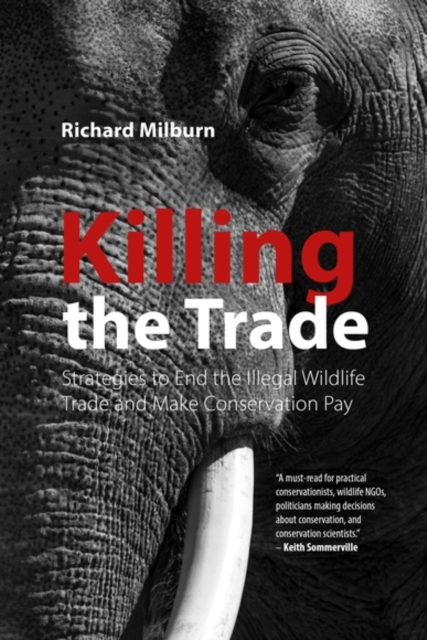
Killing the Trade
The global illegal wildlife trade is estimated by Interpol
to be worth $20 billion annually. A combination of poverty and
rich-world demand is driving several thousand species towards
extinction and the conservation sector has struggled to
respond.
Killing the Trade shows that with a shift in strategy,
that dire situation can be turned on its head. By bringing
together lessons from conservation successes and failures and
incorporating insights from the commercial sector, the book
sets out a workable holistic strategy to address the underlying
causes of the illicit trade. Built around the guiding principle
- if it pays it stays - the book provides policymakers, NGOs
and other stakeholders with an action plan to help bring the
multi-billion-dollar trade to an end.
eBook


Extinct
Showcases stunning artwork and stories of Australian animals that have been lost to extinction.
eBook

100 heartbeats : the race to save Earth's most endangered species
Conservationist Jeff Corwin provides an urgent portrait of the wildlife that is teetering on the brink of extinction. From the forests slipping away beneath the stealthy paws of the Florida panther, to the giant panda's plight to climb ever higher in the mountains of China in search of sustenance, to the brutal poaching tactics that have devastated Africa's rhinoceros and elephant populations, Corwin takes readers on a global tour to witness firsthand the critical state of our natural world. Along the way, he shares inspiring stories of battles being waged and won in defense of the earth's most threatened creatures by the conservationists on the front lines. These stories of hope and progress underscore an important message: Our own survival, as well as that of the world's wildlife, is in our hands. The race to save the planet's most endangered wildlife is under way. Every heartbeat matters.--From publisher description.
Book

After the grizzly
Thoroughly researched and finely crafted, After the Grizzly traces the history of endangered species and habitat in California, from the time of the Gold Rush to the present. Peter S. Alagona shows how scientists and conservationists came to view the fates of endangered species as inextricable from ecological conditions and human activities in the places where those species lived. Focusing on the stories of four high-profile endangered species—the California condor, desert tortoise, Delta smelt, and San Joaquin kit fox—Alagona offers an absorbing account of how Americans developed a political system capable of producing and sustaining debates in which imperiled species serve as proxies for broader conflicts about the politics of place. The challenge for conservationists in the twenty-first century, this book claims, will be to redefine habitat conservation beyond protected wildlands to build more diverse and sustainable landscapes.
eBook


So Great Was the Slaughter
An account of the rise of sportsmen and conservation groups in Arkansas who made common cause to save the state’s wildlife resources
So Great Was the Slaughter reveals the untold story of Arkansas conservation pioneers who saved the state’s game and fish populations. As Arkansas entered the twentieth century, the national demand for meat combined with the ability to ship millions of animals to hungry cities like New Orleans, Memphis, and Chicago had driven many species, including bison and passenger pigeons, to extinction in Arkansas. Many others, including deer, bear, turkey, quail, and fish, were in danger of disappearing.
In response, an unlikely coalition of Arkansas sportsmen, hunters, and conservationists created a vision for conservation legislation, game laws, and the establishment of fish hatcheries and wildlife refuges. With support from influential outsiders like E. A. McIlhenny and the United States Biological Survey, they waged a long battle against entrenched political and commercial interests.
Buckley Foster’s meticulous research reveals how these pioneers fought to save the state’s wildlife resources from destruction and laid the foundations for sustainable, modern wildlife management in Arkansas. So Great Was the Slaughter will fascinate hunters, conservationists, historians, and those interested in the history of wildlife conservation and conflicts between market hunters and sportsmen in the United States and the American South.
eBook