
Catalogue Search | MBRL


Are you sure you want to remove the book from the shelf?

{{itemTitle}}
5,113
result(s) for
"Walker, Alice, 1944-"
Sort by:

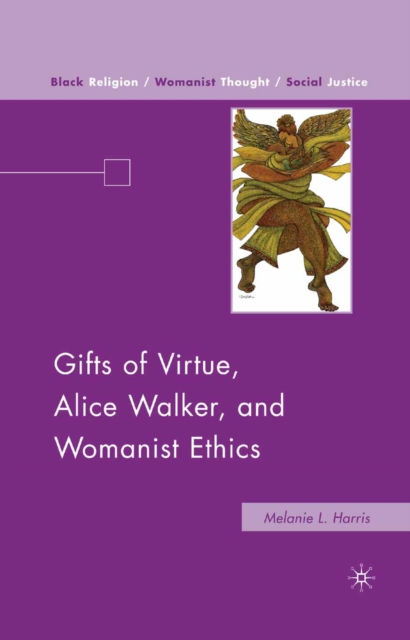
Gifts of virtue, Alice Walker, and womanist ethics
Melanie L.Harris dives into the spirituality and life work of Alice Walker, literary genius and poet.Through the lens of Womanist ethics, Harris takes an inside look into the virtues and values that can be lifted from a study of Walker s non-fiction work.
eBook

Taking the arrow out of the heart : poems
\"Presented in both English and Spanish, Alice Walker shares a timely collection of nearly seventy works of ... poetry that bears witness to our troubled times, while also chronicling a life well-lived. From poems of painful self-inquiry, to celebrating the simple beauty of baking frittatas, Walker offers us a window into her magical, at times difficult, and liberating world of activism, love, hope and, above all, gratitude\"-- Provided by publisher.
BOOK

Solidarity with the Other Beings on the Planet
For decades, Pulitzer Prize-winning author and activist Alice Walker has spoken out in defense of the oppressed. Her writings address the intersections of racist, sexist, heterosexist, classist, and, increasingly, speciesist oppressions, and she has made clear the importance of reducing violence and creating peace where possible. In light of Walker's call to action, this book analyzes seven of her novels to offer a fresh reading situated at the complex intersection of critical race studies and critical animal studies. Grounded in ecofeminist theory, this literary analysis examines Walker's evolving views on animals in relation to her discussions of other oppressed groups. Pamela B. June argues that Walker's fiction can help readers understand and perhaps challenge American culture's mistreatment of nonhuman animals. Walker has withstood criticism for her decision to abandon vegetarianism, and this book also problematizes the slippery territory of viewing writers as moral guides.Solidarity with the Other Beings on the Planet will appeal to readers in literary studies, ecofeminist studies, African American studies, and critical animal studies.
eBook


Understanding Alice Walker
Understanding Alice Walker serves both as an introduction to the
Pulitzer Prize and National Book Award winner's large body of work
and as a critical analysis of her multifaceted canon. Thadious M.
Davis begins with Walker's biography and her formative experiences
in the South and then presents ways of accessing and reading
Walker's complex, interconnected, and sociopolitically invested
career in writing fiction, poetry, critical essays, and
meditations.
Although best known for her novel The Color Purple and her
landmark essays In Search of Our Mothers' Gardens: Womanist Prose,
Walker began her career with Once: Poems, The Third Life of Grange
Copeland, and In Love and Trouble: Stories of Black Women. She has
remained committed not merely to writing in multiple genres but
also to conveying narratives of the hope and transformation
possible within the human condition and as visualized through the
lens of race and gender.
Davis traces Walker's literary voice as it emerges from the
civil rights and feminist movements to encourage an individual and
collective search for justice and joy and then evolves into
forceful advocacy for world peace, spiritual liberation, and
environmental conservancy. Her writing, a rich amalgamation of the
cutting-edge and popular, the new-age and difficult, continues to
be paradigm shifting and among the most important produced in the
last half of the twentieth century and among the most consistently
prophetic in the first part of the twenty-first century.
eBook

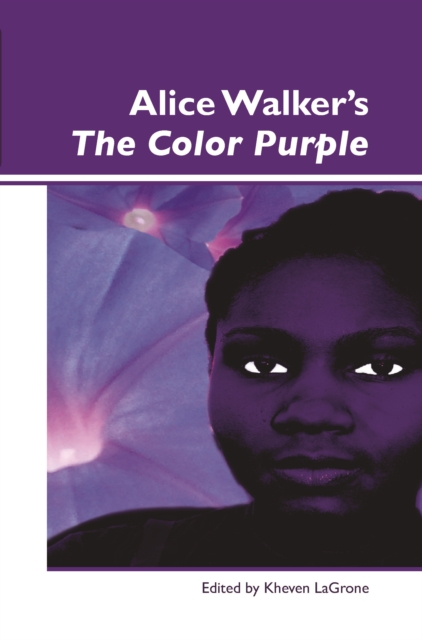
Alice Walker's The color purple
Alice Walker's Pulitzer Prize winning novel The Color Purple is a tale of personal empowerment which opens with a protagonist Celie who is at the bottom of America's social caste. A poor, black, ugly and uneducated female in the America's Jim Crow South in the first half of the 20th century, she is the victim of constant rape, violence and misogynistic verbal abuse. Celie cannot conceive of an escape from her present condition, and so she learns to be passive and unemotional. But The Color Purple eventually demonstrates how Celie learns to fight back and how she discovers her true sexuality and her unique voice. By the end of the novel, Celie is an empowered, financially-independent entrepreneur/landowner, one who speaks her mind and realizes the desirability of black femaleness while creating a safe space for herself and those she loves. Through a journey of literary criticism, Dialogue: Alice Walker's The Color Purple follows Celie's transformation from victim to hero. Each scholarly essay becomes a step of the journey that paves the way for the development of self and sexual awareness, the beginnings of religious transformation and the creation of nurturing places like home and community.
eBook

The world has changed : conversations with Alice Walker
A series of conversations between writer Alice Walker and other literary and cultural figures, including Gloria Steinem, Howard Zinn, Pema Chodron, and Claudia Tate; arranged chronologically from 1973 through 2009.
BOOK
