
Catalogue Search | MBRL


Are you sure you want to remove the book from the shelf?

{{itemTitle}}
3,667
result(s) for
"West syndrome"
Sort by:

Long‐term mortality of patients with West syndrome
Summary Objective To study long‐term survival and mortality among patients with West syndrome. Methods The study population included all children born in 1960–1976 and treated for West syndrome in three tertiary care hospitals in Helsinki, Finland. The participants were prospectively followed for five decades for survival. Death data were derived from the National Causes of Death Register of the Population Register Center of Statistics Finland. Results During follow‐up, 102 (49%) of 207 patients had died at the mean age of 19 years. The mean overall annual mortality rate was 15.3 per 1,000 patient‐years. The rates ranged from 18.2 per 1,000 after 10 years to 17.2 per 1,000 after 20 years and 15.4 per 1,000 patient‐years after 40 years of follow‐up. One fourth (25%) had died by 17.2 (95% CI 11.8–22.7) years and 50% by 48.6 (95% CI 38.5–NA) years of follow‐up. Etiology at onset was symptomatic in 87% patients and cryptogenic in 13%; 6 of the latter 26 patients later turned out to be symptomatic. The mean annual mortality rate was 3.7 per 1,000 for 4 patients with cryptogenic etiology and 17.6 per 1,000 for those with symptomatic etiology. The hazard of death was fivefold in patients with symptomatic etiology versus cryptogenic etiology. The overall autopsy rate was 73%. Pneumonia was the most frequent cause of death (46%). All patients who died of pneumonia had symptomatic etiology. SUDEP occurred in 10 patients and was the most common epilepsy‐related cause of death (10%). Significance Risk of excess death of participants with West syndrome is not limited to early age but continues into adulthood, particularly in those with symptomatic etiology, and leads to death in half the cases at around 50 years of age. Measures should be directed to prevent pneumonia, the most common overall cause, and SUDEP, the most frequent seizure‐related cause, of death.
Journal Article

West syndrome: a comprehensive review
Since its first clinical description (on his son) by William James West (1793–1848) in 1841, and the definition of the classical triad of (1) infantile spasms; (2) hypsarrhythmia, and (3) developmental arrest or regression as “West syndrome”, new and relevant advances have been recorded in this uncommon disorder. New approaches include terminology of clinical spasms (e.g., infantile (IS) vs. epileptic spasms (ES)), variety of clinical and electroencephalographic (EEG) features (e.g., typical ictal phenomena without EEG abnormalities), burden of developmental delay, spectrum of associated genetic abnormalities, pathogenesis, treatment options, and related outcome and prognosis. Aside the classical manifestations, IS or ES may present with atypical electroclinical phenotypes (e.g., subtle spasms; modified hypsarrhythmia) and may have their onset outside infancy. An increasing number of genes, proteins, and signaling pathways play crucial roles in the pathogenesis. This condition is currently regarded as a spectrum of disorders: the so-called infantile spasm syndrome (ISs), in association with other causal factors, including structural, infectious, metabolic, syndromic, and immunologic events, all acting on a genetic predisposing background. Hormonal therapy and ketogenic diet are widely used also in combination with (classical and recent) pharmacological drugs. Biologically targeted and gene therapies are increasingly studied. The present narrative review searched in seven electronic databases (primary MeSH terms/keywords included West syndrome, infantile spasms and infantile spasms syndrome and were coupled to 25 secondary clinical, EEG, therapeutic, outcomes, and associated conditions terms) including MEDLINE, Embase, Cochrane Central, Web of Sciences, Pubmed, Scopus, and OMIM to highlight the past knowledge and more recent advances.
Journal Article
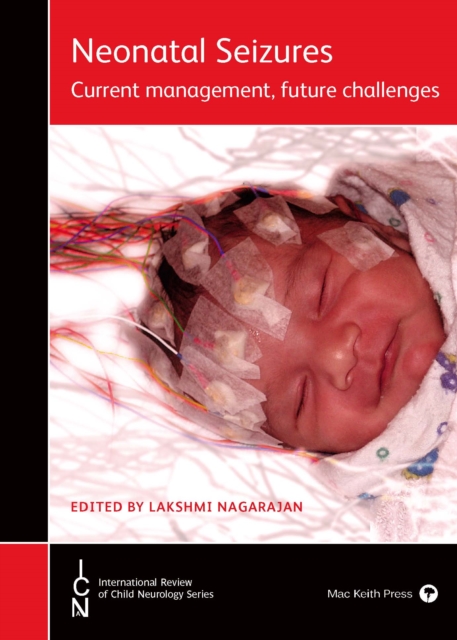
Neonatal seizures
A better understanding of neural activity and the development of cortical connections and networks is an important requirement for evaluating the cause and treatment of neonatal seizures. There have been many advances in the management of neonatal seizures such as increased use of EEGs, therapeutic hypothermia for HIE and exome sequencing, to name a few. Neonatal Seizures, Current Management, Future Challenges distils what is known about these advances into one scholarly yet practical text.
eBook

Identification of topological alterations using microstate dynamics in patients with infantile epileptic spasms syndrome
Infantile epileptic spasm syndrome (IESS) is characterized by clustered epileptic spasms and hypsarrhythmia on electroencephalography (EEG). This study aimed to investigate the temporal dynamics and dynamic synchronization of neural networks in IESS using EEG microstate analysis of interictal recordings from 49 healthy controls (HC) and 42 patients with IESS. Five microstate maps were identified, and features including the global explained variance (GEV), mean correlation, occurrence, time coverage, mean time duration, and transition probabilities were extracted. Significant differences were observed in patients with IESS compared to HCs, with increased microstate features and transition probabilities in microstates A and B, and reduced values in microstates D and E. Furthermore, in patients with structural/metabolic etiologies, microstate A demonstrated heightened microstate features and transition probabilities compared to genetic/unknown etiologies. These microstate characteristics enabled accurate classification of IESS versus HCs and differentiation between structural/metabolic and genetic/unknown etiologies. The altered microstate topologies in IESS reflect disruptions in brain network dynamics, suggesting that specific microstate features and transition probabilities could serve as potential diagnostic biomarkers. This study underscores the potential of EEG microstate analysis in understanding neural dysfunction, particularly in structural/metabolic subtypes of IESS.
Journal Article
Treatment modalities for infantile spasms: current considerations and evolving strategies in clinical practice
Infantile spasms, newly classified as infantile epileptic spasm syndrome (IESS), occur in children under 2 years of age and present as an occur as brief, symmetrical, contractions of the musculature of the neck, trunk, and extremities. When infantile spasms occur with a concomitant hypsarrhythmia on electroencephalogram (EEG) and developmental regression, it is known as West Syndrome. There is no universally accepted mainstay of treatment for this condition, but some options include synthetic adrenocorticotropic hormone (ACTH), repository corticotropin injection (RCI/Acthar Gel), corticosteroids, valproic acid, vigabatrin, and surgery. Without effective treatment, infantile spasms can cause an impairment of psychomotor development and/or cognitive and behavioral functions. The first-line treatment in the USA is ACTH related to high efficacy for cessation of infantile spasms long-term and low-cost profile. Acthar Gel is a repository corticotropin intramuscular injection that became FDA-approved for the treatment of IESS in 2010. Though it is believed that ACTH, Acthar Gel, and corticosteroids all work via a negative feedback pathway to decrease corticotropin-releasing hormone (CRH) release, their safety and efficacy profiles all vary. Vigabatrin and valproic acid are both anti-seizure medications that work by increasing GABA concentrations in the CNS and decreasing excitatory activity. Acthar Gel has been shown to have superior efficacy and a diminished side effect profile when compared with other treatment modalities.
Journal Article

Genetic Advancements in Infantile Epileptic Spasms Syndrome and Opportunities for Precision Medicine
Infantile epileptic spasms syndrome (IESS) is a devastating developmental epileptic encephalopathy (DEE) consisting of epileptic spasms, as well as one or both of developmental regression or stagnation and hypsarrhythmia on EEG. A myriad of aetiologies are associated with the development of IESS; broadly, 60% of cases are thought to be structural, metabolic or infectious in nature, with the remainder genetic or of unknown cause. Epilepsy genetics is a growing field, and over 28 copy number variants and 70 single gene pathogenic variants related to IESS have been discovered to date. While not exhaustive, some of the most commonly reported genetic aetiologies include trisomy 21 and pathogenic variants in genes such as TSC1, TSC2, CDKL5, ARX, KCNQ2, STXBP1 and SCN2A. Understanding the genetic mechanisms of IESS may provide the opportunity to better discern IESS pathophysiology and improve treatments for this condition. This narrative review presents an overview of our current understanding of IESS genetics, with an emphasis on animal models of IESS pathogenesis, the spectrum of genetic aetiologies of IESS (i.e., chromosomal disorders, single-gene disorders, trinucleotide repeat disorders and mitochondrial disorders), as well as available genetic testing methods and their respective diagnostic yields. Future opportunities as they relate to precision medicine and epilepsy genetics in the treatment of IESS are also explored.
Journal Article

Care of Children with Infantile Epileptic Spasms Syndrome and Applicability of Telemedicine Amidst the COVID-19 Pandemic
This ambispective, observational study evaluated the impact of the COVID-19 pandemic on managing children with Infantile epileptic spasms syndrome (IESS) and the feasibility of telemedicine-based management for IESS. Caregivers of children with IESS were telephonically interviewed using a structured questionnaire and various relevant indices were compared between the study population and a pre-pandemic cohort from the same center. There was a significant increase in diagnostic lag during the pandemic (
p
= 0.04). Adrenocorticotropic hormone was the first-line antiseizure medication of choice in both cohorts and the response to treatment was also similar. Telemedicine was utilized by around 80% of caregivers and satisfaction rates with telemedicine were high. However, caregivers continued to rate physical consultations higher in preference.
Journal Article
Epilepsy and Neurodevelopmental Outcomes in a Cohort of West Syndrome Beyond Two Years of Age
ObjectiveTo determine epilepsy and neurodevelopmental outcomes beyond 2 y of age and their putative prognostic factors in children with West syndrome (WS).MethodsThis cross-sectional study was initiated after approval from Institutional Ethics Committee. A follow-up cohort of 114 children (aged ≥ 2 y) diagnosed and treated for WS at the authors' center were assessed in-person for epilepsy and neurodevelopmental outcomes using Vineland Social Maturity Scale - Malin’s adaptation for Indian children. Subsequently, age at onset, lead-time-to-treatment, etiology, and response to any of the standard therapies were analyzed as possible predictors of these outcomes.ResultsOf 114 children (mean age: 55 ± 32 mo, 91 boys), structural etiology was the predominant underlying etiology (79.8%) for WS. At 2 y of age, 64% had ongoing seizures. At the last follow-up, 76% had social quotient < 55, and 39% had cerebral palsy (spastic quadriparesis in 21%). An underlying structural etiology was associated with ongoing seizures [OR (95% CI) 3.5 (1.4–9); p = 0.008] at 2 y of age and poor developmental outcomes [OR (95% CI): 3.3 (1.3–8.9); p = 0.016]. Complete cessation of spasms with the standard therapy was significantly associated with better seizure control [OR (95% CI): 5.4 (2.3–13); p < 0.001] and neurodevelopmental outcome [OR (95% CI): 5.2 (1.8–14.9); p < 0.001].ConclusionThe majority of children with WS have a poor neurodevelopmental outcome and epilepsy control on follow-up. The underlying etiology and response to initial standard therapy for epileptic spasms have a prognostic role in predicting the neurological outcome in these patients on follow-up.
Journal Article
Modified Atkins Diet vs. Ketogenic Diet in the Management of Children with Epileptic Spasms Refractory to First Line Treatment: An Open Labelled, Randomized Controlled Trial
Objective
To compare the efficacy and tolerability of modified Atkins diet (mAD) and ketogenic diet (KD) among children aged 9 mo to 3 y with epileptic spasms refractory to the first line treatment.
Methods
An open labelled, randomized controlled trial with parallel group assignment was conducted among children aged 9 mo to 3 y with epileptic spasms refractory to the first line treatment. They were randomized to either receive the mAD along with conventional anti-seizure medications (n = 20) or KD with conventional anti-seizure medications (n = 20). Primary outcome measure was proportion of children who achieved “spasm freedom” at 4 wk and 12 wk. Secondary outcome measures were proportion of children who achieved >50% and >90% reduction in spasms at 4 wk and 12 wk, nature and proportion of the adverse effects as per parental reports.
Results
Proportion of children achieving spasm freedom [mAD {4 (20%)}
vs.
KD {3 (15%)}: OR (95% CI) 1.42 (0.27–7.34);
P
= 0.67], >50% spasm reduction [mAD {3 (15%)}
vs.
KD {5 (25%)}: OR (95% CI) 0.53 (0.11–2.59);
P
= 0.63] and >90% spasm reduction [mAD {4 (20%)}
vs.
KD {2 (10%)}: OR (95% CI) 2.25 (0.36–13.97);
P =
0.41] was comparable between the two groups at 12 wk. The diet was well tolerated in both the groups with vomiting and constipation being the most common reported adverse effect.
Conclusions
mAD is an effective alternative to KD in the management of children with epileptic spasms refractory to first line treatment. However, further studies with adequately powered sample size and longer follow-up are required.
Trial registration
CTRI/2020/03/023791.
Journal Article
Interneuronopathies and their role in early life epilepsies and neurodevelopmental disorders
GABA ergic interneurons control the neural circuitry and network activity in the brain. The advances in genetics have identified genes that control the development, maturation, and integration of GABA ergic interneurons and implicate them in the pathogenesis of epileptic encephalopathies and neurodevelopmental disorders. For example, mutations of the aristaless‐related homeobox X‐linked gene ( ARX ) may result in defective GABA ergic interneuronal migration in infants with epileptic encephalopathies like West syndrome ( WS ), Ohtahara syndrome, or X‐linked lissencephaly with abnormal genitalia ( XLAG ). The concept of “interneuronopathy,” that is, impaired development, migration, or function of interneurons, has emerged as a possible etiopathogenic mechanism for epileptic encephalopathies. Treatments that enhance γ‐aminobutyric acid ( GABA ) levels may help seizure control but do not necessarily show disease modifying effect. On the other hand, interneuronopathies can be seen in other conditions in which epilepsy may not be the primary manifestation, such as autism. In this review, we plan to outline briefly the current state of knowledge on the origin, development, and migration and integration of GABA ergic interneurons, present neurodevelopmental conditions, with or without epilepsy, that have been associated with interneuronopathies, and discuss the evidence linking certain types of interneuronal dysfunction with epilepsy and/or cognitive or behavioral deficits.
Journal Article