
Catalogue Search | MBRL


Are you sure you want to remove the book from the shelf?

{{itemTitle}}
16
result(s) for
"Young adults Saudi Arabia Social conditions."
Sort by:

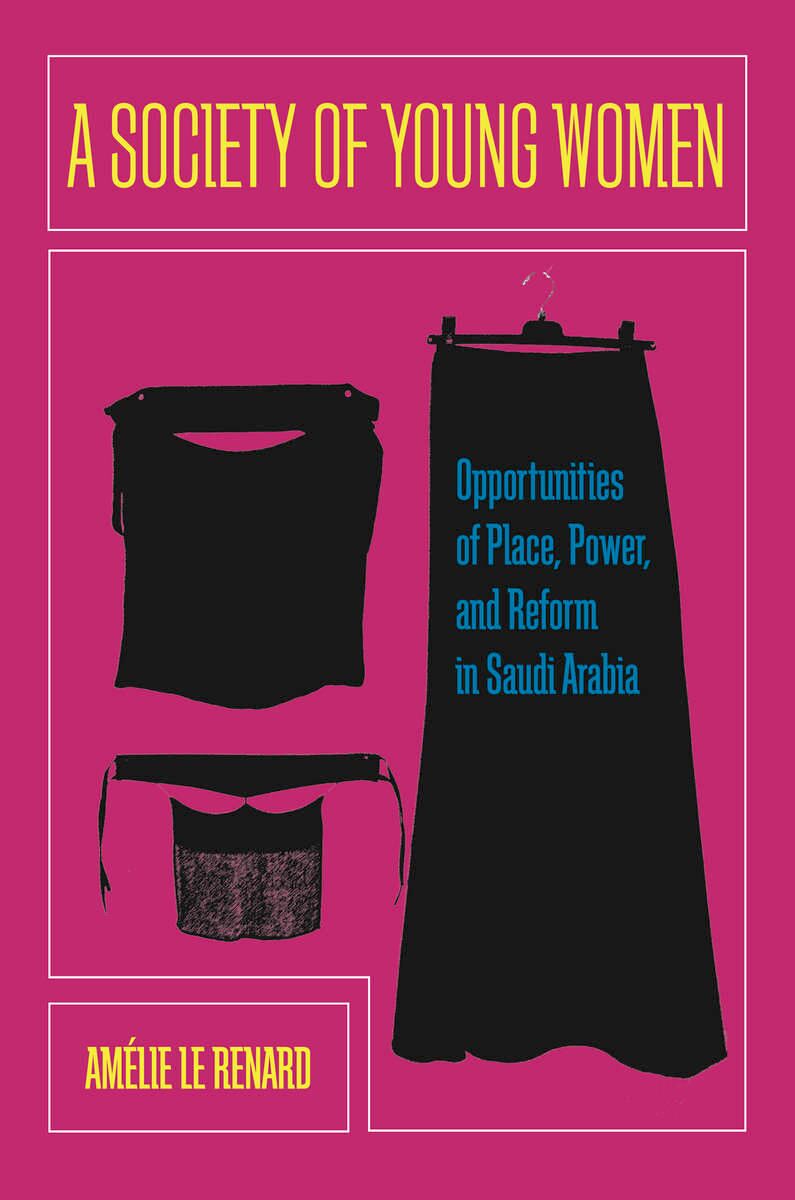
A society of young women : opportunities of place, power, and reform in Saudi Arabia
The cities of Saudi Arabia are among the most gender segregated in the world. In recent years the Saudi government has felt increasing international pressure to offer greater roles for women in society. Implicit in these calls for reform, however, is an assumption that the only \"real\" society is male society. Little consideration has been given to the rapidly evolving activities within women's spaces. This book joins young urban women in their daily lives—in the workplace, on the female university campus, at the mall—to show how these women are transforming Saudi cities from within and creating their own urban, professional, consumerist lifestyles. As young Saudi women are emerging as an increasingly visible social group, they are shaping new social norms. Their shared urban spaces offer women the opportunity to shed certain constraints and imagine themselves in new roles. But to feel included in this peer group, women must adhere to new constraints: to be sophisticated, fashionable, feminine, and modern. The position of \"other\" women—poor, rural, or non-Saudi women—is increasingly marginalized. While young urban women may embody the image of a \"reformed\" Saudi nation, the reform project ultimately remains incomplete, drawing new hierarchies and lines of exclusion among women.
eBook

Gender-based disparities in the impact of adverse childhood experiences on adult health: findings from a national study in the Kingdom of Saudi Arabia
Background
Adverse Childhood Experiences (ACEs) have been linked to an increased risk of health and social problems throughout life. Studies on gender differences from developing countries are scarce. In this paper, we will examine gender variations in the types of reported ACEs and gender-specific relationships between cumulative ACEs and physical and mental health, and Risky Health Behaviors (RHB) in adulthood in the Kingdom of Saudi Arabia (KSA).
Methods
A cross sectional national study was conducted in all of the 13 regions in KSA in 2013 using the ACE- International Questionnaire (ACE-IQ). We used multivariate logistic regression to examine the relationship between 4 + ACEs and physical, mental health and RHBs for both men and women separately after adjusting for age, education, marital status and current employment.
Results
The total number of participants was 10,156 and women comprised 48% of the sample. The majority of respondents (80%) reported at least one ACE. Women had higher percentages of < =2 ACEs (65% vs 55%;
p
<0.05) while men were more likely to have 4+ ACEs (33% vs 25%;
p
< 0.05). When compared to participants with 0 ACE, men who reported 4+ ACEs were associated with the highest likelihood of using drugs (OR = 9.7; 95% CI: 6.4-14.5) and drinking alcohol (OR = 9.2; 95% CI: 6.3-13.6). On the other hand, women who experienced 4+ ACEs were associated with the highest likelihood of depression (OR = 7.0; 95% CI: 5.2-9.4), anxiety (OR = 6.4; 95% CI: 5.0-8.2) and other mental illnesses (OR = 7.4; 95% CI: 5.2-10.6). As for chronic diseases, abused men and women in childhood showed similarly a twofold increased risk of developing diabetes, hypertension, coronary heart disease and obesity when compared to non-abused participants.
Conclusion
Findings highlight the need to consider gender specific differences in the development of preventive strategies to address ACEs in KSA.
Journal Article

Patient safety culture among paramedic university students in Saudi Arabia
A strong and well-established patient safety culture is a fundamental component of healthcare systems and is especially vital in Emergency Medical Services (EMS). Understanding the attitudes of paramedic students toward patient safety offers valuable insights into their preparedness and highlights potential gaps in educational curricula requiring targeted enhancement.
This study aimed to evaluate the patient safety attitudes among paramedic university students in Saudi Arabia and explore differences based on demographic factors, including gender, academic year, and academic performance.
A cross-sectional survey was conducted with 494 paramedic students using the Safety Attitudes Questionnaire (SAQ), covering six domains: Teamwork Climate, Safety Climate, Job Satisfaction, Stress Recognition, Perception of Management, and Working Conditions. Statistical analyses included descriptive statistics, chi-square tests, ANOVA, and Bonferroni post-hoc comparisons.
A total of 494 paramedic students participated. Overall, 25.1% achieved a positive safety attitude (SAQ ≥ 75). Among domains, Job Satisfaction scored highest (76.2 ± 15.2), while Stress Recognition scored lowest (51.2 ± 28.1). Significant differences were observed across academic years, with interns demonstrating higher domain scores than fourth-year students in teamwork climate, safety climate, stress recognition, job satisfaction, and perception of management (p < 0.01).
Paramedic students demonstrated low overall safety attitudes, with particularly low scores in stress recognition and reduced perceptions among fourth-year students. Strengthening stress management, teamwork, and supervisory support during training, alongside organisational efforts to enhance the clinical learning environment, may help improve the patient safety culture in paramedic education.
Journal Article

Mindfulness and academic performance among nursing students in Saudi Arabia: a cross-sectional study
Mindfulness has recently gained attention in academia for its potential to improve cognitive performance, collaboration and mental well-being. This study aimed to assess mindfulness levels among Saudi nursing graduate students and examine their association with grade point average (GPA) scores in academic examinations. This cross-sectional study used the Five Facet Mindfulness Questionnaire (FFMQ) to assess mindfulness levels among 276 nursing students (225 females, 51 males) enrolled at Jazan University, Saudi Arabia, just before their mid-semester exams in February 2024. The results showed an average mindfulness score of 121.0 (SD = 10.2), with higher mindfulness scores positively associated with GPA. Key mindfulness facets linked to higher GPA included “acting with awareness” (β = 0.248, CI = 0.133, 0.363,
p
< 0.001), “describing” (β = 0.389, CI = 0.279, 0.499,
p
< 0.001), and “observing” (β = 0.154, CI = 0.036, 0.272,
p
= 0.011). These associations remained significant after adjusting for demographics such as age, sex, marital status, residential area, family income, living with family or in a hostel, and academic level. However, the “non-reactive” and “non-judging” facets showed no association with GPA in both adjusted and unadjusted models (
p
= 0.134 and 0.728, respectively). The study found that mindfulness levels among Saudi nursing students were moderate, with higher mindfulness scores linked to better academic performance. Regular mindfulness practice may enhance students’ well-being, cognitive abilities, focus, and learning strategies. These findings could guide healthcare educators in integrating mindfulness practices to support mental health and academic success among nursing and other healthcare students.
Journal Article
Prevalence, characteristics, consequences, and awareness of work-related musculoskeletal pain among cardiac sonographers compared with other healthcare workers in Saudi Arabia: A cross sectional study
Evidence related to work-related musculoskeletal pain (WRMSP) among cardiac sonographers is incomplete. This study aimed to investigate the prevalence, characteristics, consequences, and awareness of WRMSP among cardiac sonographers compared with other healthcare workers in different healthcare settings in Saudi Arabia.
This was a descriptive, cross-sectional, survey-based study. An electronic self-administered survey using a modified version of the Nordic questionnaire was distributed to cardiac sonographers and control participants of other healthcare professions exposed to different occupational hazards. The χ2 test and logistic regression were performed to compare groups.
In total, 308 participants completed the survey (mean age: 32.1±8.4; females: 207(68.1%)): 152(49.4%) sonographers and 156(50.6%) controls. WRMSP was more prevalent among cardiac sonographers than controls(84.8% vs 64.7%, p<0.0001), even after adjustment for age, sex, height, weight, BMI, education, years in current position, work-setting, and regular exercise(odds ratio [95% CI]: 3.0[1.54, 5.82], p = 0.001). Pain was more severe(p = 0.020) and lasted longer among cardiac sonographers(p = 0.050). The most affected body regions were the shoulders(63.2% vs 24.4%), hands(55.9% vs 18.6%), neck(51.3% vs 35.9), and elbows(23% vs 4.5%; p<0.01 for all). Pain in cardiac sonographers interfered with daily and social activities and interrupted their work-related activities(p<0.05 for all). More cardiac sonographers had plans to change profession(43.4% vs 15.8%; p<0.0001). A higher proportion of cardiac sonographers were aware of WRMSP(81% vs 77%) and its potential risks(70% vs 67%). However, cardiac sonographers infrequently utilised recommended preventative ergonomic measures for improving work practices, received insufficient ergonomics education and training on the risks and prevention of WRMSP, and had insufficient ergonomic work environment and support from employers.
WRMSP was more frequent and more severe in cardiac sonographers than in controls and adversely impacted their daily, social, and work-related activities, and future employment plans. Despite high awareness of WRMSP and its potential risks, cardiac sonographers infrequently utilised recommended preventative ergonomic measures and had insufficient ergonomic work environment and support from employers.
Journal Article

Examining the Association between Social Media Use and Dietary Habits among College Students in Riyadh, Saudi Arabia
Food culture plays a vital role in societal dynamics, with various factors influencing dietary choices beyond hunger. Among these factors are external eating, triggered by environmental cues, and emotional eating, which are common stress-coping mechanisms among college students. Social media has a significant impact on nutrition by providing access to food-related content, which can lead to restrictive diets or unhealthy eating habits. High social media engagement is associated with an increased risk of chronic diet-related conditions such as metabolic syndrome. This study investigated the association between social media use and dietary habits among college students in Riyadh, Saudi Arabia. The cross-sectional study surveyed 401 participants online. The findings revealed that 74.6% of participants were women, with a mean age of 20.75 years. A significant portion (51.9%) reported spending over four hours daily on social media, with TikTok, Instagram, and YouTube being the primary sources of nutritional information. Statistical analysis indicated significant differences in dietary scores related to having children, medical conditions, and social media usage time. This study highlights the negative impact of extensive social media use on dietary habits and suggests the need for targeted public health interventions. Recommendations include promoting reliable nutrition-related content on social media, offering affordable healthy food options on campuses, and conducting further research to establish causality between social media use and dietary habits.
Journal Article
Khat Chewing Habits in the Population of the Jazan Region, Saudi Arabia: Prevalence and Associated Factors
The use of khat (Catha edulis) is a major public health and social problem that is believed to be growing globally. The khat chewing habit is prevalent in all areas of the Jazan region, Kingdom of Saudi Arabia (KSA). However, few studies have been conducted at the community level to investigate the khat chewing habits in this area. This study was conducted with the aim of assessing the prevalence and predictors of khat chewing among the Jazan community population. A cross-sectional study was conducted with a sample (n = 4,500) of the Jizani population who attended primary heath care centers in Jazan region. The participants were selected using a two-stage cluster random sampling. A structured questionnaire was used for data collection. The overall lifetime prevalence of khat chewing was 33.2% (95% CI 31.8-34.7) and was significantly higher for males 42.2% (95% CI 40.4-43.9) than for females 11.3% (95% CI 9.6-13.1) (P < 0.001). Current khat chewers accounted for 28.7% (95% CI 27.4-30.1) of the population sampled; 36.9% (95% CI 35.2-38.6) of whom were males, which is a significantly higher percentage than the 8.7% (95% CI 7.3-10.4) of current khat chewers who were females (P < 0.001). The multivariate logistic regression analysis suggests that the most important independent predictors of khat chewing were having a friend who chewed khat (OR = 20.1, P < 0.001), participant's smoking status (OR) = 3.9, P < 0.001), friend's smoking status (OR = 2.2, P < 0.001), gender (OR = 2.2, P < 0.001) and educational level (OR = 1.5, P < 0.05). A large proportion of the Jizani populations chew khat. Government and non-governmental organizations NGOs should design and strengthen community prevention programs to curb the high prevalence of khat use.
Journal Article

Young and Restless
\"Saudi Arabia, long bound by tradition and religious conservatism, is beginning to embrace change...Saudi Arabia is one of the youngest countries in the world, with some 75 percent of the population under 30 and 60 percent under 21; more than one in three Saudis is under 14. Saudi Arabia's changes are...[being] driven by this young and increasingly urban generation. Even as some of them jealously guard parts of the status quo and display a zeal for their Islamic faith unseen in their parents' generation, others are recalibrating the balance between modernity and tradition, directing bursts of new energy at civil society and demanding new political and social rights.\" (Smithsonian) In this article, the author details how \"Saudi Arabia's baby boomers, born after the 1973 oil embargo, are redefining the kingdom's relationship with the modern world.\"
Magazine Article