
Catalogue Search | MBRL


Are you sure you want to remove the book from the shelf?

{{itemTitle}}
1,349
result(s) for
"Yukon"
Sort by:


The Nature of Gold
In 1896, a small group of prospectors discovered a stunningly rich pocket of gold at the confluence of the Klondike and Yukon rivers, and in the following two years thousands of individuals traveled to the area, hoping to find wealth in a rugged and challenging setting. Ever since that time, the Klondike Gold Rush - especially as portrayed in photographs of long lines of gold seekers marching up Chilkoot Pass - has had a hold on the popular imagination.
In this first environmental history of the gold rush, Kathryn Morse describes how the miners got to the Klondike, the mining technologies they employed, and the complex networks by which they obtained food, clothing, and tools. She looks at the political and economic debates surrounding the valuation of gold and the emerging industrial economy that exploited its extraction in Alaska, and explores the ways in which a web of connections among America s transportation, supply, and marketing industries linked miners to other industrial and agricultural laborers across the country. The profound economic and cultural transformations that supported the Alaska-Yukon gold rush ultimately reverberate to modern times.
The story Morse tells is often narrated through the diaries and letters of the miners themselves. The daunting challenges of traveling, working, and surviving in the raw wilderness are illustrated not only by the miners compelling accounts but by newspaper reports and advertisements. Seattle played a key role as gateway to the Klondike. A public relations campaign lured potential miners to the West and local businesses seized the opportunity to make large profits while thousands of gold seekers streamed through Seattle.
The drama of the miners journeys north, their trials along the gold creeks, and their encounters with an extreme climate will appeal not only to scholars of the western environment and of late-19th-century industrialism, but to readers interested in reliving the vivid adventure of the West s last great gold rush.
eBook

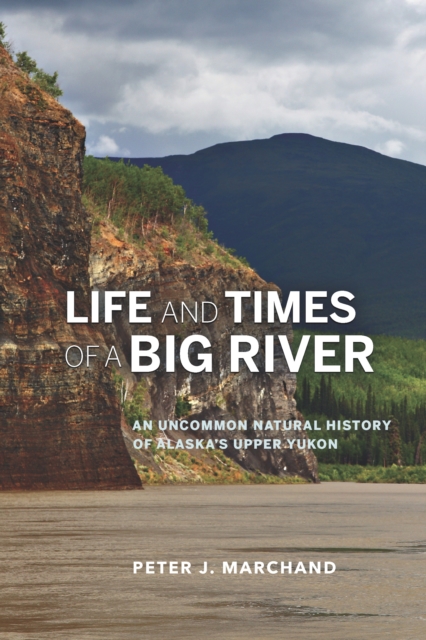
Life and Times of a Big River
When Richard Nixon signed the Alaska Native Claims Settlement Act
in 1971, eighty million acres were flagged as possible national
park land. Field expeditions were tasked with recording what was
contained in these vast acres. Under this decree, five men were
sent into the sprawling, roadless interior of Alaska, unsure of
what they'd encounter and ultimately responsible for the fate of
four thousand pristine acres. Life and Times of a Big
River follows Peter J. Marchand and his team of biologists as
they set out to explore the land that would ultimately become the
Yukon-Charley Rivers National Preserve. Their encounters with
strange plants, rare insects, and little-known mammals bring to
life a land once thought to be static and monotonous. And their
struggles to navigate and adapt to an unforgiving environment
capture the rigorous demands of remote field work. Weaving in and
out of Marchand's narrative is an account of the natural and
cultural history of the area as it relates to the expedition and
the region's Native peoples. Life and Times of a Big River
chorincles this riveting, one-of-a-kind journey of uncertainty and
discovery from a disparate (and at one point desperate) group of
biologists.
eBook

Gold diggers : striking it rich in the Klondike
No event in our history is more legendary than the Yukon Gold Rush of 1896. On August 16, when rich gold deposits were discovered in Bonanza Creek, 100,000 prospectors set off for the newly created Dawson City in search of instant wealth. Hungry miners hoped for the one big strike; others, for prosperity in this instant boom town; some, for the adventure of a lifetime. Charlotte Gray, one of our best writers of non-fiction, tells the story of the Gold Rush through the intimate lives of six extraordinary people: the saintly priest Father Judge; the feisty entrepreneur Belinda Mulrooney; the struggling writer Jack London; the imperious British journalist Flora Shaw; the legendary Sam Steele of the Mounties; and the prospector William Haskell. Brilliantly interweaving their stories, Gray creates a fascinating panorama of a frontier town where desperados, saloon keepers, gamblers, dance hall girls, churchmen and law-makers were thrown together in a volatile time. Beautifully illustrated with period photographs and documents of the Gold Rush, Gold Diggers is a colourful and entertaining journey into a world gone mad for gold.
Book

Gold at Fortymile Creek
Michael Gatesfollows the first gold-seekers from their arrival in 1873 until the stampede to the Klondike in 1896, capturing the essence of these early years of the gold rush and chronicling the trials and successes of the hardy individualists who searched for gold in the wilderness.
eBook


