
Catalogue Search | MBRL


Are you sure you want to remove the book from the shelf?

{{itemTitle}}
193
result(s) for
"bioenergy/biofuels"
Sort by:

Fungi and lignocellulosic biomass
Harnessing fungi's enzymatic ability to break down lignocellulolytic biomass to produce ethanol more efficiently and cost-effectively has become a significant research and industrial interest. Fungi and Lignocellulosic Biomass provides readers with a broad range of information on the uses and untapped potential of fungi in the production of bio-based fuels. With information on the molecular biological and genomic aspects of fungal degradation of plant cell walls to the industrial production and application of key fungal enzymes, chapters in the book cover topics such as enzymology of cellulose, hemicelluloses, and lignin degradation. Edited by a leading researcher in the field, Fungi and Lignocellulosic Biomass will be a valuable tool in advancing the development and production of biofuels and a comprehensive resource for fungal biologists, enzymologists, protein chemists, biofuels chemical engineers, and other research and industry professionals in the field of biomass research.
eBook

Biorefinery
This book provides an introduction to the basic science and technologies for the conversion of biomass (terrestrial and aquatic) into chemicals and fuels, as well as an overview of innovations in the field. The entire value chain for converting raw materials into platform molecules and their transformation into final products are presented in detail. Both cellulosic and oleaginous biomass are considered. The book contains contributions by both academic scientists and industrial technologists so that each topic combines state-of-the-art scientific knowledge with innovative technologies relevant to chemical industries.
eBook

Biofuels in Africa
Biofuels offer new opportunities for African countries. They can contribute to economic growth, employment, and rural incomes. They can become an important export for some countries and provide low-cost fuel for others. There is also a potentially large demand for biofuels to meet the rapidly growing need for local fuel. Abundant natural resources and low-cost labor make producing biofuel feedstock's a viable alternative to traditional crops; and the preferential access available to most African countries to protected markets in industrial countries provides unique export opportunities. Biofuels also bring challenges and risks, including potential land-use conflicts, environmental risks, and heightened concerns about food security. This book examines the potential of African countries to produce biofuels for export or domestic consumption and looks at the policy framework needed. It is part of the effort by the World Bank's Africa region to examine critical issues that affect the region and to recommend policies that effectively address these issues while providing an enabling environment for the private sector. The book is intended to inform policy makers and the larger development community of the global and domestic market opportunities facing biofuel producers, as well as the challenges of producing biofuels, in the Africa region.
eBook

Bioenergy
Energy is one of the prime needs of the modern world, and energy demands have been rapidly increasing in the recent years owing to rapid advancements in industrialization and population explosion. Conventional fossil fuels are being depleted at rapid rates, and the use of conventional sources such as coal or nuclear sources cause several hazards to the environment. New sources of fuel, such as bioenergy, are an ideal option for fulfilling ever-increasing energy demands. This important book offers an exploration of these alternate fuel sources, including biohydrogen, microbial fuel cells, bioethanol, and biodiesel production, focusing on the challenges and factors hindering the real-time application of these bioenergy sources.
eBook
Food versus fuel
Presents an introduction to the science and economics behind a well-worn debate, that debunks myths and provides quality facts and figures for academics and practitioners in development studies, environment studies, and agricultural studies.
eBook
Socioeconomic and Environmental Impacts of Biofuels
Biofuels are currently in the middle of a heated academic and public policy debate. Biofuel production has increased fivefold in the past decade and is expected to further double by 2020. Most of this expansion will happen in developing nations. This volume is the first of its kind, providing a comprehensive overview of the biofuel debate in developing countries. The chapters are written by a multidisciplinary team of experts, exposing the key drivers and impacts of biofuel production and use. The book covers impacts as diverse as air pollution, biodiversity loss, deforestation, energy security, food security, greenhouse gas emissions, land use change, rural development, water consumption and other socioeconomic issues. Its wide focus accommodates examples from countries in Africa, America and Asia. As such, this book will become an indispensable companion to academics, practitioners and policy makers who wish to know more about biofuel issues in the developing world.
eBook
Biofuels - Alternative Feedstocks and Conversion Processes
With the increasing demand of energy world over and depleting reserves of conventional fossil fuel, there has been growing global interest in developing alternative sources of energy. Also, there has been concern in growing economies with energy security. Biofuels offer much promise on these frontiers. In addition to above, they also offer benefits on environmental impact in comparison to fossil fuels. This book provides state-of-the-art information on the status of the biofuel production and related aspects and also identifies the future R&D directions and perspectives. Chemical engineers, biotechnologists, microbiologists/biologists, agricultural chemists, environmental engineers, petroleum engineers and graduate and postgraduate students will benefit from this book.
eBook
Biofuels and Rural Poverty
Biofuels and Rural Poverty makes an original contribution to the current controversial global debate on biofuels, in particular the consequences that large-scale production of transport fuel substitutes can have on rural areas, principally in developing countries but also in some poor rural areas of developed countries.
Three key concerns are examined from a North-South perspective: ecological issues (related to land use and biodiversity), pro-poor policies (related to food and land security, gender and income generation) and equity of benefits within the global value chain. Can biofuels be pro-poor? Can smallholder farmers be equitably integrated in the biofuels global supply chain? Is the biofuels production chain detrimental to biodiversity?
Most other books available on biofuels take a technical approach and are aimed at addressing energy security or climate change issues. This title focuses on the socio-economic impacts on rural people's livelihoods, offering a unique perspective on the potential role of biofuels in reducing rural poverty.
eBook
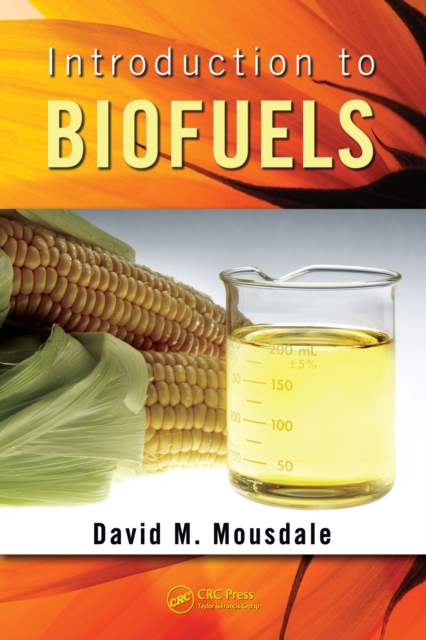
Introduction to biofuels
Providing complete coverage of biofuels, this new textbook discusses the multidisciplinary study of bioenergy and the potential for replacing fossil fuels in the coming decades. Presenting numerous examples throughout the text, this book explores key technologies, including biotechnology and genetic reprogramming of microorganisms. The author also examines the future of chemistry from a broad perspective, addressing the economic, social, and environmental issues that are extremely important to any study of bioenergy as a route to sustainable development.
eBook