
Catalogue Search | MBRL


Are you sure you want to remove the book from the shelf?

{{itemTitle}}
4,546
result(s) for
"bones evolution"
Sort by:

The bare bones : an unconventional evolutionary history of the skeleton
Highlighting the fascinating twists and turns of evolution across more than 540 million years, paleobiologist Matthew Bonnan uses everyday objects to explain the emergence and adaptation of the vertebrate skeleton.
Book
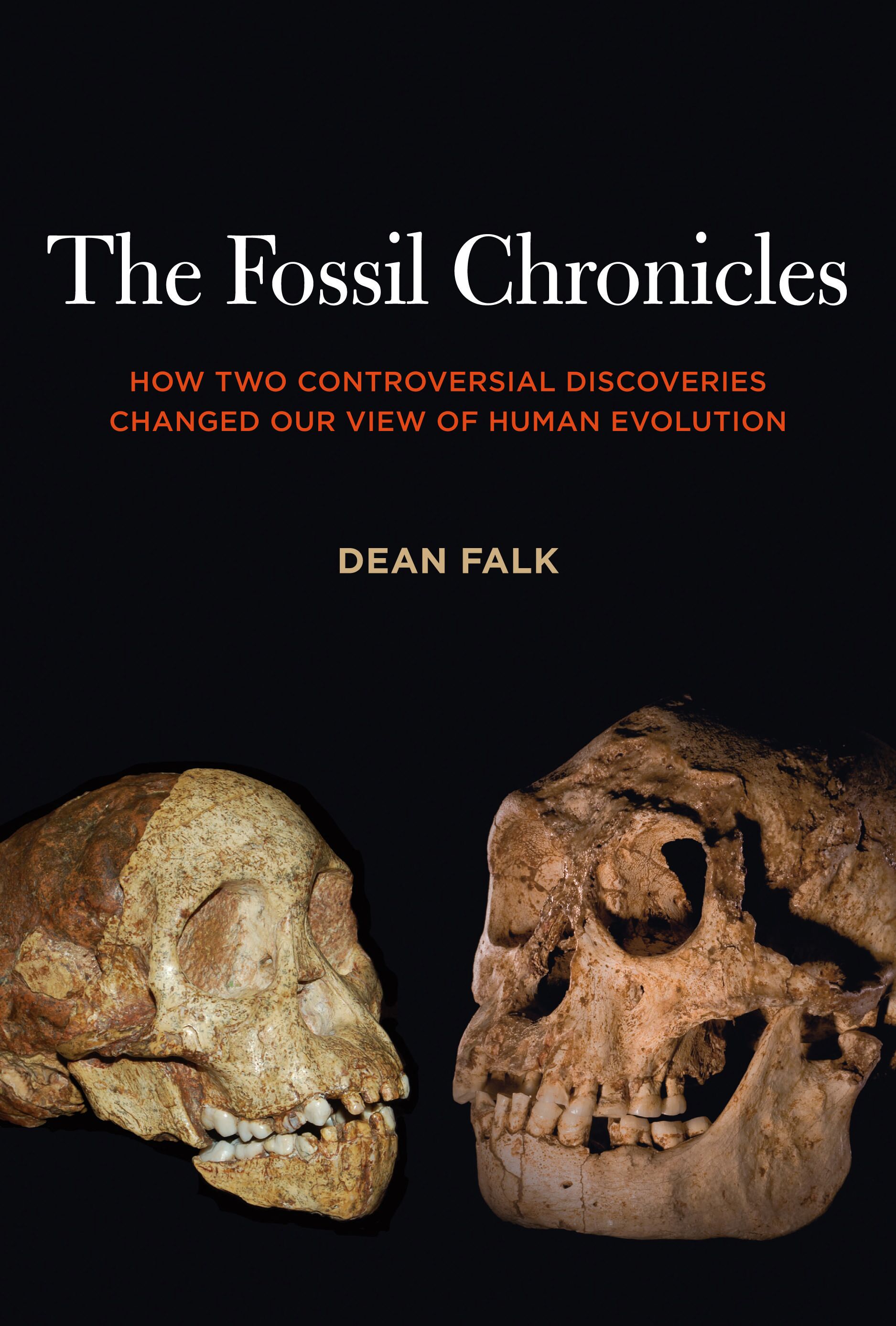
The fossil chronicles
Two discoveries of early human relatives, one in 1924 and one in 2003, radically changed scientific thinking about our origins. Dean Falk, a pioneer in the field of human brain evolution, offers this fast-paced insider's account of these discoveries, the behind-the-scenes politics embroiling the scientists who found and analyzed them, and the academic and religious controversies they generated. The first is the Taung child, a two-million-year-old skull from South Africa that led anatomist Raymond Dart to argue that this creature had walked upright and that Africa held the key to the fossil ancestry of our species. The second find consisted of the partial skeleton of a three-and-a-half-foot-tall woman, nicknamed Hobbit, from Flores Island, Indonesia. She is thought by scientists to belong to a new, recently extinct species of human, but her story is still unfolding. Falk, who has studied the brain casts of both Taung and Hobbit, reveals new evidence crucial to interpreting both discoveries and proposes surprising connections between this pair of extraordinary specimens.
eBook


The emergence of mechanoregulated endochondral ossification in evolution
The differentiation of skeletal tissue phenotypes is partly regulated by mechanical forces. This mechanoregulatory aspect of tissue differentiation has been the subject of many experimental and computational investigations. However, little is known about what factors promoted the emergence of mechanoregulated tissue differentiation in evolution, even though mechanoregulated tissue differentiation, for example during development or healing of adult bone, is crucial for vertebrate phylogeny. In this paper, we use a computational framework to test the hypothesis that the emergence of mechanosensitive genes that trigger endochondral ossification in evolution will stabilise in the population and create a variable mechanoregulated response, if the endochondral ossification process enhances fitness for survival. The model combines an evolutionary algorithm that considers genetic change with a mechanoregulated fracture healing model in which the fitness of animals in a population is determined by their ability to heal their bones. The simulations show that, with the emergence of mechanosensitive genes through evolution enabling skeletal cells to modulate their synthetic activities, novel differentiation pathways such as endochondral ossification could have emerged, which when favoured by natural selection is maintained in a population. Furthermore, the model predicts that evolutionary forces do not lead to a single optimal mechanoregulated response but that the capacity of endochondral ossification exists with variability in a population. The simulations correspond with many existing findings about the mechanosensitivity of skeletal tissues in current animal populations, therefore indicating that this kind of multi-level models could be used in future population based simulations of tissue differentiation.
Journal Article
Long-term results of the custom- made hip endoprostheses Evolution K® and Adaptiva®: A prospective cohort study
The aim of our study is to evaluate clinical long-term results and determine changes in periprosthetic bone density of the custom-made hip prostheses Evolution-K® and Adaptiva®. Periprosthetic bone density were evaluated by means of DEXA (LunariDXA- Prodigy® bone densitometer) with a long-term follow-up of 16 (15-18) years (Evolution-K®) in 24 patients and 13 (13-15) years (Adaptiva®) in 41 patients. Evolution- K® had a survival rate of 92% and yielded 79/100 points in Harris Hip Score, a mediocre result. Adaptiva® had a survival rate of 99% and achieved a good score of 88/100 points. Bone density measurements demonstrated the greatest loss of bone density in the proximal regions of interest (ROI) for both prosthesis types (Evolution-K®: -25.8% ROI 1, -40.3% ROI 7; -8.3% ROI 2, -10.4% ROI 6; Adaptiva®: -29.8% ROI 7, -6.8% ROI 6, +14.3% ROI 3, +3.1% ROI 4). Adaptiva® yielded a good clinical result as compared to Evolution-K® with only average clinical results. Both prostheses clearly showed signs of “stress shielding”. Here, the Adaptiva® achieved reduced bone density loss as compared to the Evolution-K®.
Journal Article

Recent origin of low trabecular bone density in modern humans
Humans are unique, compared with our closest living relatives (chimpanzees) and early fossil hominins, in having an enlarged body size and lower limb joint surfaces in combination with a relatively gracile skeleton (i.e., lower bone mass for our body size). Some analyses have observed that in at least a few anatomical regions modern humans today appear to have relatively low trabecular density, but little is known about how that density varies throughout the human skeleton and across species or how and when the present trabecular patterns emerged over the course of human evolution. Here, we test the hypotheses that (i) recent modern humans have low trabecular density throughout the upper and lower limbs compared with other primate taxa and (ii) the reduction in trabecular density first occurred in early Homo erectus, consistent with the shift toward a modern human locomotor anatomy, or more recently in concert with diaphyseal gracilization in Holocene humans. We used peripheral quantitative CT and microtomography to measure trabecular bone of limb epiphyses (long bone articular ends) in modern humans and chimpanzees and in fossil hominins attributed to Australopithecus africanus, Paranthropus robustus/early Homo from Swartkrans, Homo neanderthalensis, and early Homo sapiens. Results show that only recent modern humans have low trabecular density throughout the limb joints. Extinct hominins, including pre-Holocene Homo sapiens, retain the high levels seen in nonhuman primates. Thus, the low trabecular density of the recent modern human skeleton evolved late in our evolutionary history, potentially resulting from increased sedentism and reliance on technological and cultural innovations.
Journal Article
Gracility of the modern Homo sapiens skeleton is the result of decreased biomechanical loading
The postcranial skeleton of modern Homo sapiens is relatively gracile compared with other hominoids and earlier hominins. This gracility predisposes contemporary humans to osteoporosis and increased fracture risk. Explanations for this gracility include reduced levels of physical activity, the dissipation of load through enlarged joint surfaces, and selection for systemic physiological characteristics that differentiate modern humans from other primates. This study considered the skeletal remains of four behaviorally diverse recent human populations and a large sample of extant primates to assess variation in trabecular bone structure in the human hip joint. Proximal femur trabecular bone structure was quantified from microCT data for 229 individuals from 31 extant primate taxa and 59 individuals from four distinct archaeological human populations representing sedentary agriculturalists and mobile foragers. Analyses of mass-corrected trabecular bone variables reveal that the forager populations had significantly higher bone volume fraction, thicker trabeculae, and consequently lower relative bone surface area compared with the two agriculturalist groups. There were no significant differences between the agriculturalist and forager populations for trabecular spacing, number, or degree of anisotropy. These results reveal a correspondence between human behavior and bone structure in the proximal femur, indicating that more highly mobile human populations have trabecular bone structure similar to what would be expected for wild nonhuman primates of the same body mass. These results strongly emphasize the importance of physical activity and exercise for bone health and the attenuation of age-related bone loss.
Journal Article

Comparative analysis of zebrafish bone morphogenetic proteins 2, 4 and 16: molecular and evolutionary perspectives
BMP2, BMP4 and BMP16 form a subfamily of bone morphogenetic proteins acting as pleiotropic growth factors during development and as bone inducers during osteogenesis. BMP16 is the most recent member of this subfamily and basic data regarding protein structure and function, and spatio-temporal gene expression is still scarce. In this work, insights on BMP16 were provided through the comparative analysis of structural and functional data for zebrafish BMP2a, BMP2b, BMP4 and BMP16 genes and proteins, determined from three-dimensional models, patterns of gene expression during development and in adult tissues, regulation by retinoic acid and capacity to activate BMP-signaling pathway. Structures of Bmp2a, Bmp2b, Bmp4 and Bmp16 were found to be remarkably similar; with residues involved in receptor binding being highly conserved. All proteins could activate the BMP-signaling pathway, suggesting that they share a common function. On the contrary, stage-and tissue-specific expression of bmp2, bmp4 and bmp16 suggested the genes might be differentially regulated (e.g. different transcription factors, enhancers and/or regulatory modules) but also that they are involved in distinct physiological processes, although with the same function. Retinoic acid, a morphogen known to interact with BMP-signaling during bone formation, was shown to downregulate the expression of bmp2, bmp4 and bmp16, although to different extents. Taxonomic and phylogenetic analyses indicated that bmp16 diverged before bmp2 and bmp4, is not restricted to teleost fish lineage as previously reported, and that it probably arose from a whole genomic duplication event that occurred early in vertebrate evolution and disappeared in various tetrapod lineages through independent events.
Journal Article

RANKL and osteoimmunology in periodontitis
Periodontitis, one of the most common infectious diseases in humans, is characterized by inflammation of the periodontal tissue and subsequent destruction of the alveolar bone, which ultimately leads to tooth loss. Recently, it was revealed that the osteoclastic bone damage that occurs during periodontitis is dependent on the receptor activator of NF-kB ligand (RANKL) produced by osteoblastic cells and periodontal ligament cells. Immune cells provide essential cues for the RANKL induction that takes place during periodontal inflammation. The knowledge accumulated and experimental tools established in the field of “osteoimmunology” have made crucial contributions to a better understanding of periodontitis pathogenesis and, reciprocally, the investigation of periodontitis has provided important insights into the field. This review discusses the molecular mechanisms underlying periodontal bone loss by focusing on the osteoimmune interactions and RANKL.
Journal Article

BMP2 activity, although dispensable for bone formation, is required for the initiation of fracture healing
Adult bones have a notable regenerative capacity. Over 40 years ago, an intrinsic activity capable of initiating this reparative response was found to reside within bone itself, and the term bone morphogenetic protein
1
(BMP) was coined to describe the molecules responsible for it. A family of BMP proteins was subsequently identified
2
,
3
,
4
, but no individual BMP has been shown to be the initiator of the endogenous bone repair response. Here we demonstrate that BMP2 is a necessary component of the signaling cascade that governs fracture repair. Mice lacking the ability to produce BMP2 in their limb bones have spontaneous fractures that do not resolve with time. In fact, in bones lacking BMP2, the earliest steps of fracture healing seem to be blocked. Although other osteogenic stimuli are still present in the limb skeleton of BMP2-deficient mice, they cannot compensate for the absence of BMP2. Collectively, our results identify BMP2 as an endogenous mediator necessary for fracture repair.
Journal Article