
Catalogue Search | MBRL


Are you sure you want to remove the book from the shelf?

{{itemTitle}}
3
result(s) for
"chicano antiwar movement"
Sort by:
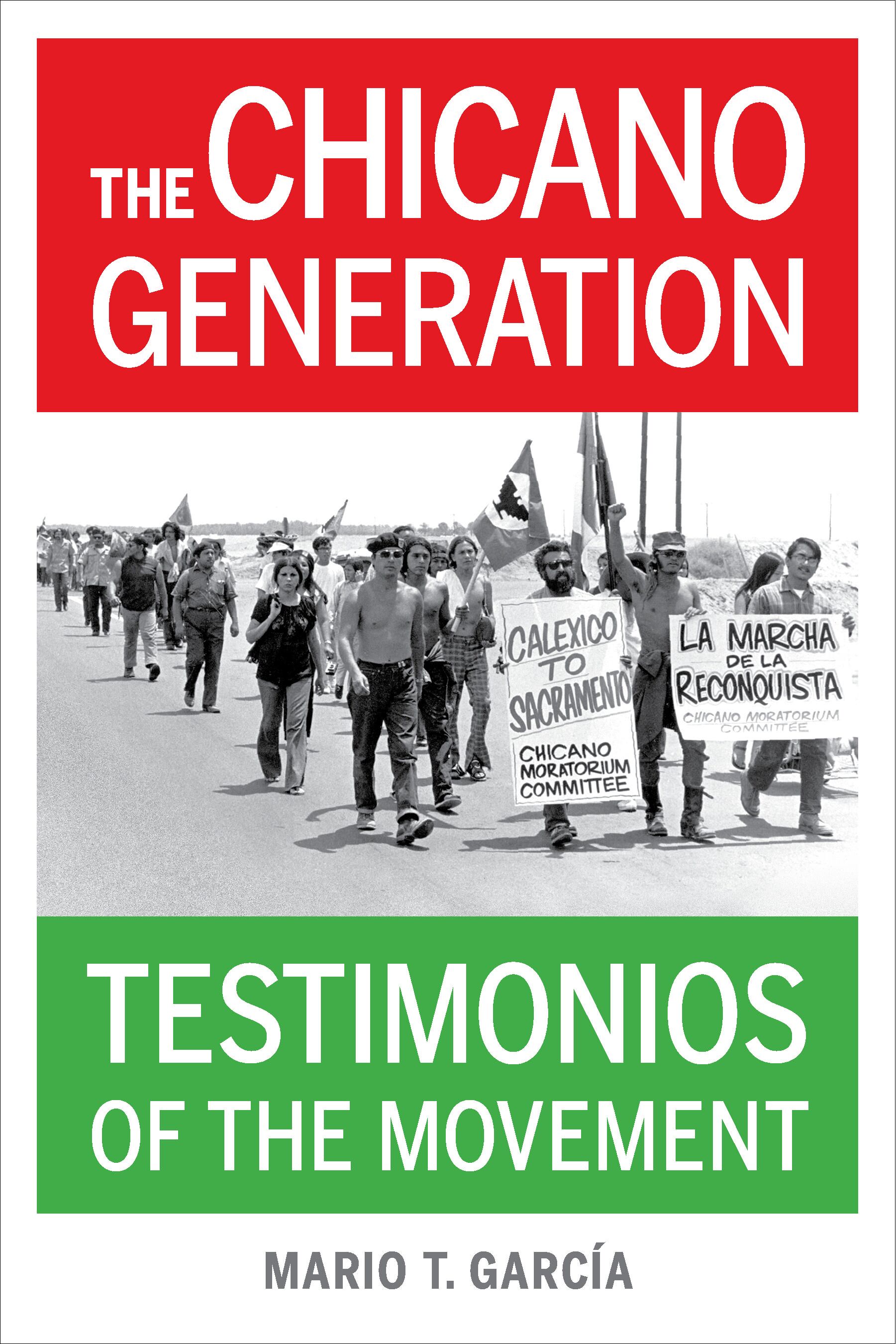
The Chicano generation
In The Chicano Generation, veteran Chicano civil rights scholar Mario T. García provides a rare look inside the struggles of the 1960s and 1970s as they unfolded in Los Angeles. Based on in-depth interviews conducted with three key activists, this book illuminates the lives of Raul Ruiz, Gloria Arellanes, and Rosalio Muñoz—their family histories and widely divergent backgrounds; the events surrounding their growing consciousness as Chicanos; the sexism encountered by Arellanes; and the aftermath of their political histories. In his substantial introduction, García situates the Chicano movement in Los Angeles and contextualizes activism within the largest civil rights and empowerment struggle by Mexican Americans in US history—a struggle that featured César Chávez and the farm workers, the student movement highlighted by the 1968 LA school blowouts, the Chicano antiwar movement, the organization of La Raza Unida Party, the Chicana feminist movement, the organizing of undocumented workers, and the Chicano Renaissance. Weaving this revolution against a backdrop of historic Mexican American activism from the 1930s to the 1960s and the contemporary black power and black civil rights movements, García gives readers the best representations of the Chicano generation in Los Angeles.
eBook

Sal si puedes (escape if you can)
In the summer of 1968 Peter Matthiessen met Cesar Chavez for the first time. They were the same age: forty-one. Matthiessen lived in New York City, while Chavez lived in the Central Valley farm town of Delano, where the grape strike was unfolding. This book is Matthiessen's panoramic yet finely detailed account of the three years he spent working and traveling with Chavez, including to Sal Si Puedes, the San Jose barrio where Chavez began his organizing. Matthiessen provides a candid look into the many sides of this enigmatic and charismatic leader who lived by the laws of nonviolence. Sal Si Puedes is less reportage than living history. In its pages a whole era comes alive: the Chicano, Black Power, and antiwar movements; the browning of the labor movement; Chavez's fasts; the nationwide boycott of California grapes. When Chavez died in 1993, tens of thousands gathered at his funeral. It was a clear sign of how beloved he was and how important his life had been. A new foreword by Marc Grossman considers the significance of Chavez's legacy for our time. As well as serving as an indispensable guide to the 1960s, this book rejuvenates the extraordinary vitality of Chavez's life and spirit, giving his message a renewed and much-needed urgency.
eBook

Raza sí!, guerra no! : Chicano protest and patriotism during the Viet Nam war era
This incisive and elegantly written examination of Chicano antiwar mobilization demonstrates how the pivotal experience of activism during the Viet Nam War era played itself out among Mexican Americans. ¡Raza Sí! ¡Guerra No! presents an engaging portrait of Chicano protest and patriotism. On a deeper level, the book considers larger themes of American nationalism and citizenship and the role of minorities in the military service, themes that remain pertinent today. Lorena Oropeza's exploration of the evolution, political trajectory, and eventual implosion of the Chicano campaign against the war in Viet Nam encompasses a fascinating meditation on Mexican Americans' political and cultural orientations, loyalties, and sense of status and place in American society. Many titles in the Voices Revived program are also newly available as ebooks, offered at a discounted price to support wider access to scholarly work.
eBook