
Catalogue Search | MBRL


Are you sure you want to remove the book from the shelf?

{{itemTitle}}
5,543
result(s) for
"dietary requirement"
Sort by:
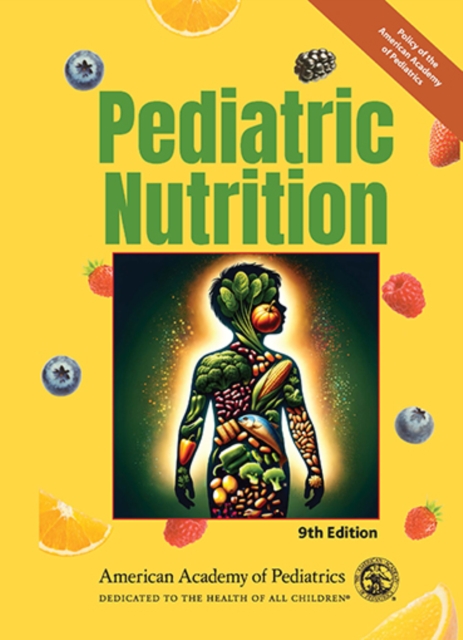
Pediatric nutrition
Significantly revised and updated by more than 100 contributors, the ninth edition provides the latest evidence-based guidance on the full spectrum of nutrition issues for newborns, infants, children and adolescents. Constituting the authoritative AAP policy on pediatric nutrition, topics covered include nutritional guidance for all pediatric age groups; micronutrients and macronutrients; nutrient delivery systems; nutrition issues relating to a wide rang of acute and chronic illnesses; and public health issues such as food insecurity, federal regulation, and food safety. New in the 9th Edition Sustainability Organic Foods GMOs Revamped guidance on obesity, reflecting the latest AAP policy statement Topics include: Nutrient-Gene Intreractions Feeding the Infant Feeding the Child and Adolescent Micronutrients and Macronutrients Nutrient Delivery Systems Nutrition in Acute and Chronic Illness Nutrition and Public Health
eBook

Dietary Reference Intakes for Water, Potassium, Sodium, Chloride, and Sulfate
Dietary Reference Intakes
for Water, Potassium, Sodium, Chloride, and Sulfate
The Dietary Reference Intakes (DRIs) are quantitative estimates of nutrient
intakes to be used for planning and assessing diets for healthy people. This
new report, the sixth in a series of reports presenting dietary reference values
for the intakes of nutrients by Americans and Canadians, establishes
nutrient recommendations on water, potassium, and salt for health maintenance
and the reduction of chronic disease risk.
Dietary Reference Intakes for Water, Potassium, Sodium, Chloride, and Sulfate
discusses in detail the role of water, potassium, salt, chloride, and sulfate in
human physiology and health. The major findings in this book include the
establishment of Adequate Intakes for total water (drinking water, beverages,
and food), potassium, sodium, and chloride and the establishment of
Tolerable Upper Intake levels for sodium and chloride. The book makes
research recommendations for information needed to advance the understanding
of human requirements for water and electrolytes, as well as
adverse effects associated with the intake of excessive amounts of water,
sodium, chloride, potassium, and sulfate. This book will be an invaluable
reference for nutritionists, nutrition researchers, and food manufacturers.
eBook
Dietary Reference Intakes
The current situation regarding labeling and defining dietary fiber in the United States and many other countries is arbitrary due to its reliance on analytical methods as opposed to an accurate definition that includes its role in health.
eBook


Perinatal Growth and Nutrition
This book explores the reasons for abnormal post-natal growth in preterm infants. It examines the long-term effects on developmental outcome as well as metabolic risks such as insulin resistance, type 2 diabetes, and hypertension. The contributors explore the risks and benefits of faster post-natal growth and catch-up growth in preterm infants. They describe tools for assessment of growth and early identification of faltering growth. They also explain methods for reducing growth faltering and for optimizing catch-up growth, including the new possibilities offered by customized fortification of human breast milk.
eBook

Water as an essential nutrient: the physiological basis of hydration
How much water we really need depends on water functions and the mechanisms of daily water balance regulation. The aim of this review is to describe the physiology of water balance and consequently to highlight the new recommendations with regard to water requirements. Water has numerous roles in the human body. It acts as a building material; as a solvent, reaction medium and reactant; as a carrier for nutrients and waste products; in thermoregulation; and as a lubricant and shock absorber. The regulation of water balance is very precise, as a loss of 1% of body water is usually compensated within 24 h. Both water intake and water losses are controlled to reach water balance. Minute changes in plasma osmolarity are the main factors that trigger these homeostatic mechanisms. Healthy adults regulate water balance with precision, but young infants and elderly people are at greater risk of dehydration. Dehydration can affect consciousness and can induce speech incoherence, extremity weakness, hypotonia of ocular globes, orthostatic hypotension and tachycardia. Human water requirements are not based on a minimal intake because it might lead to a water deficit due to numerous factors that modify water needs (climate, physical activity, diet and so on). Water needs are based on experimentally derived intake levels that are expected to meet the nutritional adequacy of a healthy population. The regulation of water balance is essential for the maintenance of health and life. On an average, a sedentary adult should drink 1.5 l of water per day, as water is the only liquid nutrient that is really essential for body hydration.
Journal Article

Adequacy of nutritional intake among older men living in Sydney, Australia: findings from the Concord Health and Ageing in Men Project (CHAMP)
Previous research shows that older men tend to have lower nutritional intakes and higher risk of under-nutrition compared with younger men. The objectives of this study were to describe energy and nutrient intakes, assess nutritional risk and investigate factors associated with poor intake of energy and key nutrients in community-dwelling men aged ≥75 years participating in the Concord Health and Ageing in Men Project – a longitudinal cohort study on older men in Sydney, Australia. A total of 794 men (mean age 81·4 years) had a detailed diet history interview, which was carried out by a dietitian. Dietary adequacy was assessed by comparing median intakes with nutrient reference values (NRV): estimated average requirement, adequate intake or upper level of intake. Attainment of NRV of total energy and key nutrients in older age (protein, Fe, Zn, riboflavin, Ca and vitamin D) was incorporated into a ‘key nutrients’ variable dichotomised as ‘good’ (≥5) or ‘poor’ (≤4). Using logistic regression modelling, we examined associations between key nutrients with factors known to affect food intake. Median energy intake was 8728 kJ (P5=5762 kJ, P95=12 303 kJ), and mean BMI was 27·7 (sd 4·0) kg/m2. Men met their NRV for most nutrients. However, only 1 % of men met their NRV for vitamin D, only 19 % for Ca, only 30 % for K and only 33 % for dietary fibre. Multivariate logistic regression analysis showed that only country of birth was significantly associated with poor nutritional intake. Dietary intakes were adequate for most nutrients; however, only half of the participants met the NRV of ≥5 key nutrients.
Journal Article

Public Health and Community Nutrition
Poor quality dietary habits are one of the most pressing public health concerns of our time. As a society, we are faced with the paradox of malnutrition and overconsumption existing side-by-side. Many people in our communities deal with the stark reality of food insecurity coupled with a reliance on inexpensive, nutrient-poor calories that contribute to the nationwide prevalence of obesity, type 2 diabetes, heart disease, and other chronic conditions. As a resource for both students and practitioners, Public Health and Community Nutrition provides an overview of how social determinants of health?socioeconomic factors that influence a population's or an individual's well-being?contribute to the existence of health disparities in the United States. Now more than ever, diet and health experts are needed to address these 21st-century public health challenges that require specific professional competencies related to nutritional assessment, knowledge of food assistance and support options, and nutrition education skills that are appropriate for targeted audiences.
eBook

Knowledge, attitudes, and factors associated with vegetarianism in the Saudi Population
Background
In recent years, there has been great interest in the dietary practices of vegetarians in addition to an increasing awareness of the potential benefits of vegetarian diets. However, there are insufficient data on the spread of vegetarianism in Arab countries. The aim of this study was to investigate knowledge and attitudes about vegetarianism and associated factors in the Saudi population and to understand the reasons for its growing prevalence.
Method
This is a cross-sectional study began in May 2020 and ended in September 2020. Researchers distributed the questionnaire electronically through social media. Data were collected electronically and exported to Excel by the researchers .The electronic questionnaire comprised three sections: sociodemographic questions, reasons for following a vegetarian diet, and beliefs and knowledge about vegetarianism.
Results
There were 3,035 responses, of which 80.2% of respondents were female and 19.8% were male. Participant were aged 18–65. Vegetarians represented 37.5% (15.7% semivegetarians, 8.1% pescovegetarians, 64.3% lacto-ovo-vegetarians, and 11.3% vegans), and the rest were nonvegetarians. The majority of the vegetarian participants (92.9%) had a low vegetarianism knowledge level. Health issues, followed by ethical and environmental concerns, were the most common motivators for adopting a vegetarian diet; these reasons were cited by 72.5%, 59.3%, and 47.9% of participants, respectively. Factors associated with increased vegetarianism were engaging in exercise for half an hour to two hours, while factors associated with decreased vegetarianism were male, aged 51–64 years, being married, having a higher education, working in the health sector, being a housewife, and having an income between 5,000 and 10,000 SR/month.
Conclusion
Vegetarianism appears to be a growing phenomenon among the Saudi population. Increased awareness of health issues and the desire to live a healthy lifestyle might be the strongest motives. This study offers an opportunity to better understand vegetarianism in Saudi Arabia along with the possibility of expanding vegetarian food choices for the general public.
Journal Article

Is a healthy diet an environmentally sustainable diet?
The concept of a healthy and environmentally sustainable diet is not new, but with increasing concern about future global food security and climate change there is a renewed interest in this topic. Dietary intakes in UK accounts for approximately 20–30% of total annual greenhouse gas emissions (GHGE), with the greatest contributions coming from high intakes of meat and dairy products. Dietary proposals to help mitigate climate change (i.e. reduce GHGE) have focused on reducing consumption of meat and dairy products, but this must be considered in the context of the whole diet, alongside any possible nutritional consequences for health. Bringing together health and environmental impact of the diet raises the question of whether a healthy diet can also be an environmentally sustainable diet. While recent research showed that it is possible to achieve a realistic diet that meets dietary requirement for health and has lower GHGE, it cannot be assumed that a healthy diet will always have lower GHGE. With different combinations of food it is possible to consume a diet that meets dietary requirements for health, but has high GHGE. It is important to understand what constitutes a sustainable diet, but this then needs to be communicated effectively to try and change well-established dietary intakes of the population. Studies show that understanding of sustainable diets is poor and there are many misconceptions (e.g. the overestimation of the protein requirements for a healthy diet), which could contribute to the barriers towards changing dietary intakes.
Journal Article