
Catalogue Search | MBRL


Are you sure you want to remove the book from the shelf?

{{itemTitle}}
13
result(s) for
"etnofarmacología"
Sort by:

Assessment of the anti-inflammatory, antioxidant, and wound-healing effects of methanolic soybean seed extract in an excision wound model in albino rats
Wound healing is a complex physiological process influenced by oxidative stress and inflammation. This study assessed the antioxidant, anti-inflammatory, and wound-healing effects of a methanolic extract of soybean seeds using a full-thickness excision wound model in male albino rats. Fourteen rats were randomly divided into two groups (n = 7). Under anesthesia, full-thickness skin wounds were aseptically created in the thoraco-abdominal region. Group A received sterile water (placebo) topically, while Group B received the soybean seed extract daily for 21 days. Wound healing was evaluated by macroscopic examination, measurement of wound contraction, and analysis of inflammatory and oxidative stress markers.By day 7, wound contraction was significantly higher in the control group (60.42 ± 6.65%) compared to the extract-treated group (43.96 ± 11.58%) (p < 0.05). No significant difference was observed in the neutrophil-to-lymphocyte ratio between the two groups. However, biochemical analyses showed elevated levels of serum malondialdehyde (MDA) and superoxide dismutase (SOD) activity in the treated group (MDA: 4.26 ± 0.39 µmol/mg; SOD: 1.43 ± 0.16 mg/mL) versus the control (MDA: 3.18 ± 0.51 µmol/ mg; SOD: 1.01 ± 0.13 mg/mL) (p < 0.05).In conclusion, topical application of soybean seed methanolic extract did not enhance wound healing but improved antioxidant markers, indicating its potential role in mitigating oxidative stress rather than directly accelerating tissue repair. La cicatrización de heridas es un proceso fisiológico complejo influenciado por el estrés oxidativo y la inflamación. Este estudio evaluó los efectos antioxidantes, antiinflamatorios y cicatrizantes de un extracto metanólico de semillas de soya utilizando un modelo de herida por escisión de espesor completo en ratas albinas machos. El Grupo A recibió agua estéril tópica, mientras que el Grupo B fue tratado diariamente con el extracto de semillas de soya durante 21 días. La cicatrización fue evaluada mediante examen macroscópico, medición de la contracción de la herida y análisis de marcadores inflamatorios y de estrés oxidativo.Para el día 7, la contracción de la herida fue significativamente mayor en el grupo control (60.42 ± 6.65%) en comparación con el grupo tratado con el extracto (43.96 ± 11.58%) (p < 0.05). No se observaron diferencias significativas en la relación neutrófilo-linfocito entre los grupos. Sin embargo, los análisis bioquímicos mostraron niveles elevados de malondialdehído (MDA) en suero y actividad de superóxido dismutasa (SOD) en el grupo tratado (MDA: 4.26 ± 0.39 µmol/mg; SOD: 1.43 ± 0.16 mg/mL) frente al control (MDA: 3.18 ± 0.51 µmol/mg; SOD: 1.01 ± 0.13 mg/mL) (p < 0.05).En conclusión, la aplicación tópica del extracto metanólico de semillas de soya no mejoró la cicatrización de heridas, pero sí incrementó los marcadores antioxidantes, lo que sugiere un posible papel terapéutico en la mitigación del estrés oxidativo más que en la aceleración directa de la reparación tisular.
Journal Article

International Law and Indigenous Knowledge
InInternational Law and Indigenous Knowledge, Chidi Oguamanan argues that Indigenous knowledge has posed a crisis of legitimacy for the intellectual property system that calls for a rethinking of the intellectual property jurisprudence in a cross-cultural direction.
eBook
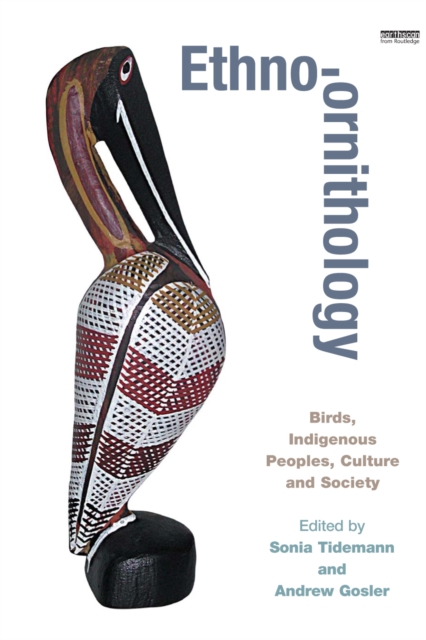
Ethno-ornithology
Indigenous knowledge that embraces ornithology takes in whole social dimensions that are inter-linked with environmental ethos, conservation and management for sustainability. In contrast, western approaches have tended to reduce knowledge to elemental and material references. This book looks at the significance of indigenous knowledge of birds and their cultural significance, and how these can assist in framing research methods of western scientists working in related areas.
As well as its knowledge base, this book provides practical advice for professionals in conservation and anthropology by demonstrating the relationship between mutual respect, local participation and the building of partnerships for the resolution of joint problems. It identifies techniques that can be transferred to different regions, environments and collections, as well as practices suitable for investigation, adaptation and improvement of knowledge exchange and collection in ornithology.
The authors take anthropologists and biologists who have been trained in, and largely continue to practise from, a western reductionist approach, along another path - one that presents ornithological knowledge from alternative perspectives, which can enrich the more common approaches to ecological and other studies as well as plans of management for conservation.
eBook

PLANTAS MEDICINALES USADAS EN ALGUNAS VEREDAS DE MUNICIPIOS DEL ALTIPLANO DEL ORIENTE ANTIOQUEÑO, COLOMBIA MEDICINAL PLANTS USED IN SOME TOWNSHIPS OF MUNICIPALITIES IN THE HIGH PLAINS OF EASTERN ANTIOQUIA, COLOMBIA
Con el objetivo de conocer y determinar la importancia relativa de las plantas usadas como medicinales, se realizó un estudio etnobotánico en las comunidades campesinas de algunas veredas de seis municipios del Altiplano del Oriente antioqueño: El Carmen de Viboral, El Retiro, Guarne, La Ceja, Marinilla y Rionegro, región correspondiente a la zona de vida denominada bosque húmedo montano bajo (bh-MB). Se recopiló información sobre plantas medicinales silvestres o espontáneas y plantas medicinales cultivadas, introducidas casi desde la época de la conquista o la colonia y que son de uso muy arraigado entre las comunidades de la zona de estudio. Con la información suministrada por 17 informantes de las diferentes veredas, se registraron 254 especies de plantas usadas como medicinales en el altiplano del Oriente antioqueño, agrupadas en 193 géneros correspondientes a 79 familias. La mitad de las especies mencionadas en este estudio (127) son silvestres o no cultivadas y se encuentran principalmente en áreas de vegetación secundaria como bordes de camino, potreros, matorrales, rastrojos y bordes de corrientes acuáticas, entre otros hábitats. Las otras 127 especies usadas como medicinales en la región del estudio, son cultivadas como alimenticias, ornamentales, esotéricas, maderables, medicinales, generalmente en huertas familiares y huertas especializadas para cultivos de plantas medicinales para la venta. El trabajo es un aporte al conocimiento de la flora medicinal de Colombia y al rescate del conocimiento tradicional sobre el uso de las plantas medicinales.With the aim of knowing and determining the relative importance of local medicinal plants, an ethnobotanical study was conducted in the farming communities of some townships in six municipalities of the high plains of eastern Antioquia: El Carmen de Viboral, El Retiro, Guarne, La Ceja, Marinilla, and Rionegro, in a region within the lower mountain humid rainforest life zone (bh-MB). Information was compiled on both wild and cultivated medicinal plants that were introduced during the conquest or colonial period and whose use is very ingrained in the communities in this region. With information provided by 17 informants from the different townships, 254 plant species used for medicinal purposes in the high plains of eastern Antioquia were registered from 193 genera belonging to 79 families. Half of the species reported in this study (127) are wild, not actively cultivated, and mainly obtained from areas of secondary vegetation such as roadsides, pastures, scrubby and second growth areas and streamsides, among others habitats. The other 127 species used medicinally in the region were cultivated for nutritional, ornamental, esoteric, firewood, or medicinal purposes, usually in familiar gardens or fields specialized for production of medicinal plants for sale. This study represents a contribution to the knowledge of the medicinal flora of Colombia and the recovery of traditional knowledge on the use of medicinal plants.
Journal Article

Religiosidade dos adeptos de um centro daimista, Piedade, SP: comparação entre usuários experientes e iniciantes
The objective of this study was to compare the religiosity among experienced users (with more than 20 years of ritual use of Ayahuasca), beginners (with less than 3 years), supporters of a daimist center, municipality of Piedade - SP, and non-users of Ayahuasca. An observational, descriptive and cross-sectional study was carried out, involving 48 people, divided into two groups: (a) study group: subdivided into an experienced group and a beginner group, both with 16 people each (8 men and 8 women); (b) control group, with 16 people (8 men and 8 women), who never used Ayahuasca, matched by sex, age group and education. The Medida Multidimensional Breve de Religiosidade/Espiritualidade (BMMRS-P) was used to evaluate spirituality. Statistical analysis was performed using parametric tests (p <0.05). It was concluded that the daimists in the experienced group had high scores for religiosity when compared to the beginner and control groups.
O objetivo deste estudo foi comparar a religiosidade entre usuários experientes (com mais de 20 anos de uso ritual de Ayahuasca), iniciantes (com menos de 3 anos), adeptos de um centro daimista, município de Piedade - SP, e não usuários de Ayahuasca. Foi realizado um estudo observacional, descritivo e transversal, do qual participaram 48 pessoas, distribuídas em dois grupos: (a) grupo estudo: subdividido em grupo experiente e grupo iniciante, ambos com 16 pessoas cada (8 homens e 8 mulheres); (b) grupo controle, com 16 pessoas (8 homens e 8 mulheres), que nunca utilizaram a bebida Ayahuasca, pareados por sexo, faixa etária e escolaridade. O instrumento utilizado para avaliar a religiosidade foi a Medida Multidimensional Breve de Religiosidade/Espiritualidade (BMMRS-P). A análise estatística foi realizada por meio dos testes paramétricos (p<0,05). Conclui-se que os adeptos daimistas do grupo experiente apresentaram elevados escores de religiosidade, quando comparados aos grupos iniciante e controle.
Journal Article

Traditional knowledge and uses of medicinal plants by the inhabitants of the islands of the São Francisco river, Brazil and preliminary analysis of Rhaphiodon echinus (Lamiaceae)
Abstract This study aimed to carry out an ethnobotanical survey of medicinal plants used by inhabitants of the Rodeadouro Island, Jatoba Island and Massangano Island, located in The Submedium São Francisco River Valley. Also phytochemicals and preliminary pharmacological tests were performed to species most cited by the community. Ethnobotanical data were collected through observation visits and semi-structured interviews with 12 key informants. We calculated the relative importance (RI), the percentage of agreement related to the main uses (cAMU) and use value (UV). The aerial parts of Rhaphiodon echinus (Ness & Mart.) Schauer were used to obtain the lyophilizate (LYO-Re), crude ethanol extract (CEE-Re) and their hexanic (HEX-Re), chloroform (CLO-Re) and ethyl acetate (EA-Re) fractions. The microdilution technique was used for determining Minimum inhibitory concentration (MIC) for selected microorganisms. Already the spasmolytic effect was evaluated in isolated uterus fragments of Wistar rats, pre contracted with KCl 60 mM. We found 34 species cited, belonging to 22 families. The most plants were grown by locals. There were 51 different diseases, but the main indication was infectious and parasitic diseases. The species R. echinus was the most reported and it was indicated for urinary tract infection and dysmenorrhea. The screening revealed a higher prevalence of flavonoids, tannins, lignans and saponins in LYO-Re and AE-Re. Already terpene compounds were more present in HEX-Re and CLO-Re. The RE-Re fraction stood out with strong effect against E. coli and S. aureus while CEE-Re has moderate effect against gram-negative bacteria. The evaluation of the spasmolytic activity showed that LYO-Re, CEE-Re and HEX-Re fractions have similar activity, with partial effect and concentration-dependent response. This work brought about knowledge and use of medicinal plants by the riparian of the São Francisco River. It also revealed the importance of other methodologies for scientific evidence for the popular use of R. echinus. Resumo Objetivou-se realizar um levantamento etnobotânico de plantas medicinais utilizadas nas ilhas do Massangano, Jatobá II e Rodeadouro, localizadas entre Petrolina-PE e Juazeiro-BA, no submédio do rio São Francisco e posterior investigação fitoquímica e farmacológica da espécie mais citada, conforme a indicação da comunidade. Realizaram-se visitas de observação nas ilhas e os dados etnobotânicos foram coletados por entrevistas semiestruturadas com 12 informantes-chave. Calculou-se a Importância Relativa (IR), a Porcentagem Corrigida de Concordância quanto ao Uso Principal (CUPc) e o Valor de Uso (VU). Utilizaram-se as partes aéreas da espécie mais citada para obtenção do extrato etanólico bruto (EEB-Re), suas frações hexânica (HEX-Re), clorofórmica (CLO-Re) e acetato de etila (AE-Re); o produto liofilizado (LIO-Re) e o óleo essencial (OE-Re). A técnica de microdiluição foi usada para determinar a Concentração Inibitória Mínima (CIM) para microorganismos selecionados. A atividade espasmolítica foi avaliada em fragmentos isolados de útero de ratas Wistar pré-contraídos com KCl 60 mM. Foram relatadas 34 espécies, contidas em 22 famílias diferentes. A maioria das plantas era cultivada pelos moradores. Registraram-se 51 enfermidades diferentes, mas a principal indicação foi doenças parasitárias e infecciosas. A espécie Rhaphiodon echinus (Ness & Mart.) Schauer foi a mais citada, com principal indicação para tratar infecção do trato urinário e dismenorreia. O screening fitoquímico revelou prevalência de flavonoides, taninos, lignanas e saponinas em LIO-Re e AE-Re e compostos terpênicos em HEX-Re e CLO-Re. Os testes antibacterianos mostraram que AE-Re é mais atuante contra E. coli e S. aureus do que para P. aeruginosa. O EEB-Re tem efeito parcial contra bactérias gram-negativas e OE-Re possui moderada resposta para todos microorganismos testados. LIO-Re, EEB-Re e HEX-Re possuem atividade espasmolítica dependente da concentração, sem diferença significativa e sem relaxamento total. Este trabalho trouxe conhecimento sobre o uso de plantas medicinais pelos ribeirinhos do rio São Francisco e revela a importância de estudos mais aprofundados para a comprovação científica do uso popular da R. echinus.
Journal Article

Babaçu (Attalea speciosa Mart. ex Spreng.): Uma Revisão Sistemática de Usos e Propriedades Terapêuticas
Attalea speciosa Mart. ex Spreng., conhecida como babaçu, é uma palmeira tropical com relevância econômica e ecológica, amplamente utilizada para fins alimentares, medicinais e industriais. Este estudo revisou 14 trabalhos publicados entre 2010 e 2020, consultados nas plataformas de pesquisa MEDLINE e LILACS, com o objetivo de consolidar os usos populares e farmacológicos da espécie. A metodologia incluiu uma análise comparativa de índices de diversidade, como SDtot e Equitabilidade, aplicados às categorias de uso relatadas. Os frutos (amêndoas, mesocarpo e borra) foram as partes mais utilizadas, representando 50% dos usos relatados. Os índices calculados foram SDtot = 5,5 ± 1,0 e Equitabilidade = 2,75 ± 0,2, indicando uma diversidade moderada e uma boa distribuição entre as categorias. A análise também apontou propriedades anti-inflamatórias, antimicrobianas, antioxidantes e cicatrizantes, com destaque de uso tradicional em tratamento de feridas. Conclui-se que A. speciosa possui grande potencial terapêutico e socioeconômico, mas estudos padronizados e ensaios clínicos são necessários para validar suas propriedades e ampliar sua exploração sustentável. Attalea seciosa (Mart.) ex Spreng is the main wild source of vegetable oil in the world, with wide industrial use, being considered one of the main extractive products in Brazil, contributing significantly to the economy of some states of the federation. This review aims to investigate studies on Attalea spp., between 2010 and 2020, in the electronic databases: PubMed, MEDLINE, LILACS, in terms of ethnobotanical and ethnopharmacological studies for the detection of biologically active products. Therefore, this review evaluated all studies related to Attalea speciosa (Mart.) ex Spreng, in Portuguese and English, as well as the heterotypic synonyms Orbignya martiana, Orbignya phalerata and Orbignya speciosa, popularly known as babassu. In the period evaluated, 24 articles were selected from which therapeutic effects such as: healing, antineoplastic, antimicrobial, and antithrombotic could be reported. Furthermore, the ethnobotanical bibliography of babassu has reported numerous uses for the various parts of the plant. Therefore, this species deserves special attention in its studies, due to its economic and regional therapeutic potential, requiring further studies for further clinical support. Attalea speciosa Mart. ex Spreng., conocida como babasú, es una palmera tropical de importancia económica y ecológica, ampliamente utilizada con fines alimentarios, medicinales e industriales. Este estudio revisó 14 trabajos publicados entre 2010 y 2020, consultados en las plataformas de investigación MEDLINE y LILACS, con el objetivo de consolidar los usos populares y farmacológicos de la especie. La metodología incluyó un análisis comparativo de índices de diversidad, como SDtot y Equitabilidad, aplicados a las categorías de uso reportadas. Los frutos (almendras, mesocarpio y posos) fueron las partes más utilizadas, representando el 50% de los usos reportados. Los índices calculados fueron SDtot = 5,5 ± 1,0 y Equidad = 2,75 ± 0,2, lo que indica una diversidad moderada y una buena distribución entre categorías. El análisis también destacó propiedades antiinflamatorias, antimicrobianas, antioxidantes y cicatrizantes, con énfasis en el uso tradicional en el tratamiento de heridas. Se concluye que A. speciosa tiene un gran potencial terapéutico y socioeconómico, pero son necesarios estudios estandarizados y ensayos clínicos para validar sus propiedades y ampliar su exploración sustentable.
Journal Article

Global biopiracy : patents, plants, and indigenous knowledge
Global Biopiracy rethinks the role of international law and legal concepts, the Western-based, Eurocentric patent systems of the world, and international agricultural research institutions as they affect legal ownership and control of plants and TKUP.
eBook

Plantas medicinais: indicação de raizeiros para o tratamento de feridas
Objetivo: Analisar as indicações e o conhecimento de raizeiros quanto ao uso de plantas medicinais para o tratamento de feridas. Métodos: Estudo quantitativo, de caráter descritivo, realizado com 32 raizeiros do município de Campina Grande – PB, no período de novembro de 2012 a março de 2013. Utilizou-se um questionário estruturado, contendo 21 questões fechadas e abertas, referentes a variáveis sociodemográficas, informações sobre as espécies vegetais indicadas para o tratamento de feridas, aquisição de conhecimentos sobre o assunto e comercialização das plantas. Realizou-se análise descritiva dos dados com cálculo de frequências absolutas e relativas. Resultados: Dos 40 comerciantes de plantas convidados a participar da pesquisa, 32 (75%) consentiram a entrevista, dos quais 75% (n=24) do sexo feminino, 50% (n=16) possuíam 60 anos ou mais, 25% (n=8) residiam na zona rural, e apenas 18,75% (n=6) cultivavam as ervas que comercializavam. Neste ramo, 87,5% (n=28) trabalhavam há mais de cinco anos, sendo a transmissão familiar através das gerações a forma mais comum de aquisição de conhecimentos (87,5%; n=28). Um total de 18 plantas foi citado pelos raizeiros, onde o cajueiro roxo foi o mais indicado (87,5%; n=28), seguido pelo barbatimão (81,25%; n=26) e pela quixaba (50%; n=16). Conclusão: Este estudo deixa em aberta a questão sobre o nível de conhecimento popular de raizeiros investigados acerca do uso de plantas medicinais no tratamento de feridas, visto que o mesmo advém de fonte familiar sem cientificidade, com imprecisa indicação terapêutica.
Journal Article
Ethnobotany and traditional medicine of the inhabitants of the Pantanal Negro sub-region and the raizeiros of Miranda and Aquidauna, Mato Grosso do Sul, Brazil/Etnobotanica e medicina tradicional dos habitantes da sub-regiao do Pantanal do Negro e raizeiros das cidades de Miranda e Aquidauana, Mato Grosso do Sul, Brasil
A survey on the use of medical plants was carried out in the rural communities of the Rio Negro sub-region of the Pantanal and the raizeiros from Aquidauana and Miranda municipalities, Mato Grosso do Sul, Brazil, in order to recover the ethnobotanical and ethnopharmacological knowledge of these communities. Structured questionnaires were run with the residents of eight farms and 12 raizeiros. The results reveal 25 botanical families, 45 genera and 48 species of medicinal plants used, six of which are indicated for kidney disturbances, six for urinary disturbances, five for inflammation treatment, 13 for stomach aches, 10 for respiratory disturbances, four for treating sprains, four for healing wounds, four as anti-diarrheaic and one as antipyretic, among other illnesses. The main family was Asteraceae, with 12 species used. The principal preparation methods of the medicinal herbs in the Rio Negro sub-region and surrounding areas were infusion (35) and, mostly, mixed with \"chimarrao\" or \"mate quente\", traditional beverage. Nineteen exotic species are used by the raizeiros, (39.58%), which indicates a strong influence of the urban environment. The traditional pantaneiros have greater knowledge of medicinal plants than the raizeiros, and they cited only five exotic species (16.1%).
Journal Article