
Catalogue Search | MBRL


Are you sure you want to remove the book from the shelf?

{{itemTitle}}
125,537
result(s) for
"european history"
Sort by:

Art in detail : 100 masterpieces
\"Great paintings cannot be fully understood in a single encounter... [This book] spotlights the finer points a quick glance will almost certainly fail to reveal. These include subtle internal details, such as hidden symbols. Expert commentary reveals the technical tricks employed by the artist to achieve particular effects... and also looks at the themes and external and personal factors influencing the creation of an artwork...\"--Book jacket.
Book

Giants and Dwarfs in European Art and Culture, ca. 1350-1750
Not since Edward Wood's Giants and Dwarfs published in 1868 has the subject been the focus of a scholarly study in English. Treating the topic afresh, this volume offers new insights into the vogue for giants and dwarfs that flourished in late-medieval and early modern Europe. From chapters dealing with the real dwarfs and giants in the royal and princely courts, to the imaginary giants and dwarfs that figured in the crafting of nationalistic and ancestral traditions, to giants and dwarfs used as metaphorical expression, scholars discuss their role in art, literature, and ephemeral display. Some essays examine giants and dwarfs as monsters and marvels and collectibles, while others show artists and writers emphasizing contrasts in scale to inspire awe or for comic effect. As these investigations reveal, not all court dwarfs functioned as jesters, and giant figures might equally be used to represent heroes, anti-heroes, and even a saint.
eBook


The Destruction and Recovery of Monte Cassino, 529-1964
Between the sixth and twentieth centuries, the Benedictine Abbey of Monte Cassino (est. 529) experienced a cycle of atrocities which forever transformed its identity. This book examines how such a tumultuous history has been constructed, remembered, and represented from the Middle Ages to the present day. It uses this singular and pivotal case to analyse the historical process of remembering and its impact on modern representations of the past. Exactly how Monte Cassino is remembered is distinctive and diagnostic. The abbey is recognizable today as a beacon of western civilization, culture, and learning precisely because of its 'destruction tradition' over fourteen centuries. The Destruction and Recovery of Monte Cassino, 529.1964 asks how the abbey's fragmented past has been ideologically, politically, and culturally constituted and preserved; how its experience with destruction and suffering . and recovery and rebirth . has become incorporated into a modern narrative of progress and triumph.
eBook

European peasant cookery
\"There are over 500 recipes in this classic work from one of the UK's most respected food writers. First published in the 1980 and twenty years in the making, it is now available again in a handsome new hardback edition.\"-- Provided by publisher.
BOOK
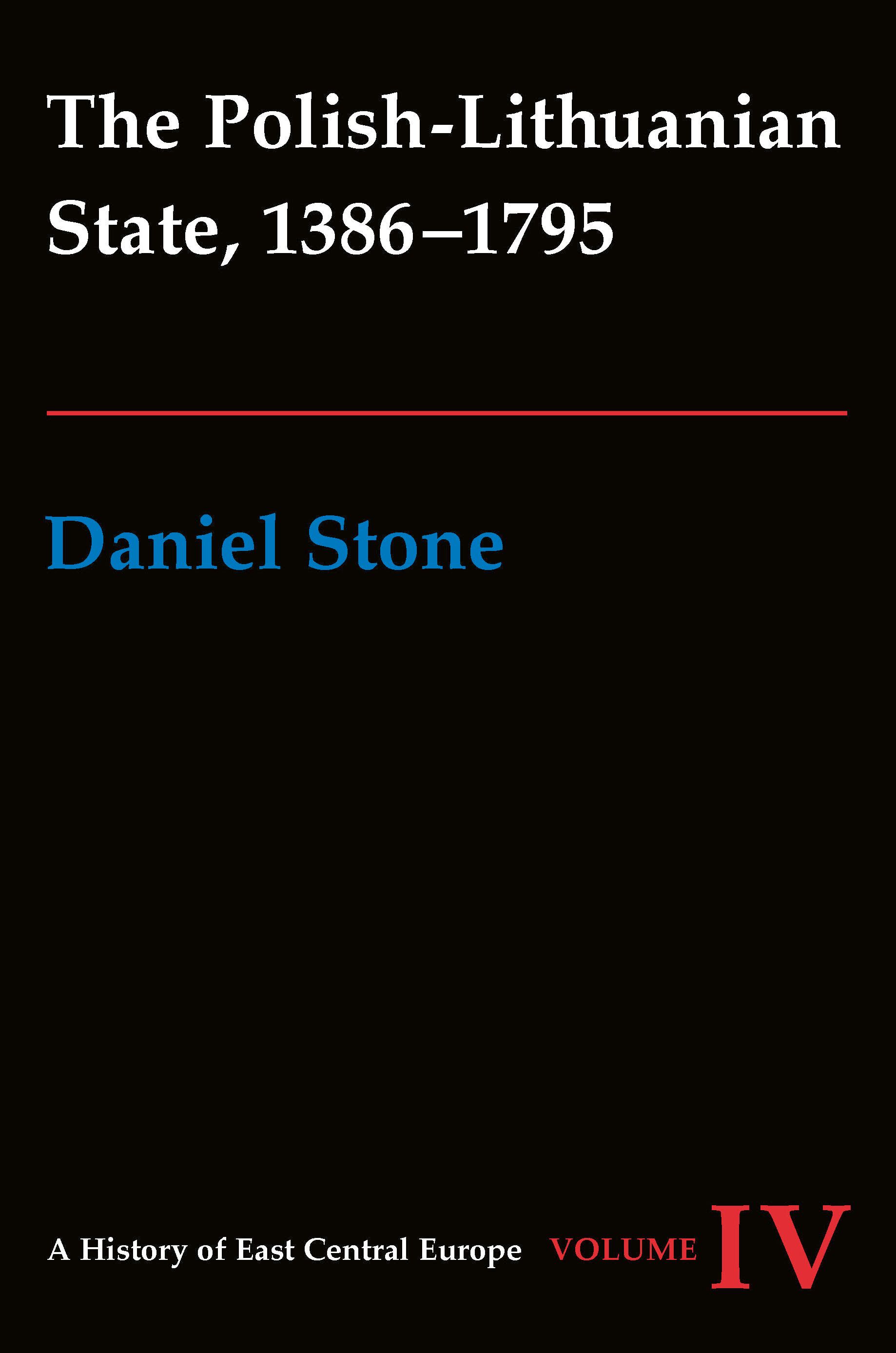
The Polish-Lithuanian State, 1386-1795
For four centuries, the Polish-Lithuanian state encompassed a major geographic region comparable to present-day Poland, Lithuania, Belarus, Ukraine, Russia, Latvia, Estonia, and Romania. Governed by a constitutional monarchy that offered the numerous nobility extensive civil and political rights, it enjoyed unusual domestic tranquility, for its military strength kept most enemies at bay until the mid-seventeenth century and the country generally avoided civil wars. Selling grain and timber to western Europe helped make it exceptionally wealthy for much of the period.The Polish-Lithuanian State, 1386-1795 is the first account in English devoted specifically to this important era. It takes a regional rather than a national approach, considering the internal development of the Ukrainian, Jewish, Lithuanian, and Prussian German nations that coexisted with the Poles in this multinational state. Presenting Jewish history also clarifies urban history, because Jews lived in the unincorporated \"private cities\" and suburbs, which historians have overlooked in favor of incorporated \"royal cities.\" In the seventeenth and eighteenth centuries the private cities and suburbs often thrived while the inner cities decayed. The book also traces the institutional development of the Roman Catholic Church in Poland-Lithuania, one of the few European states to escape bloody religious conflict during the Reformation and Counter Reformation.Both seasoned historians and general readers will appreciate the many excellent brief biographies that advance the narrative and illuminate the subject matter of this comprehensive and absorbing volume.
eBook

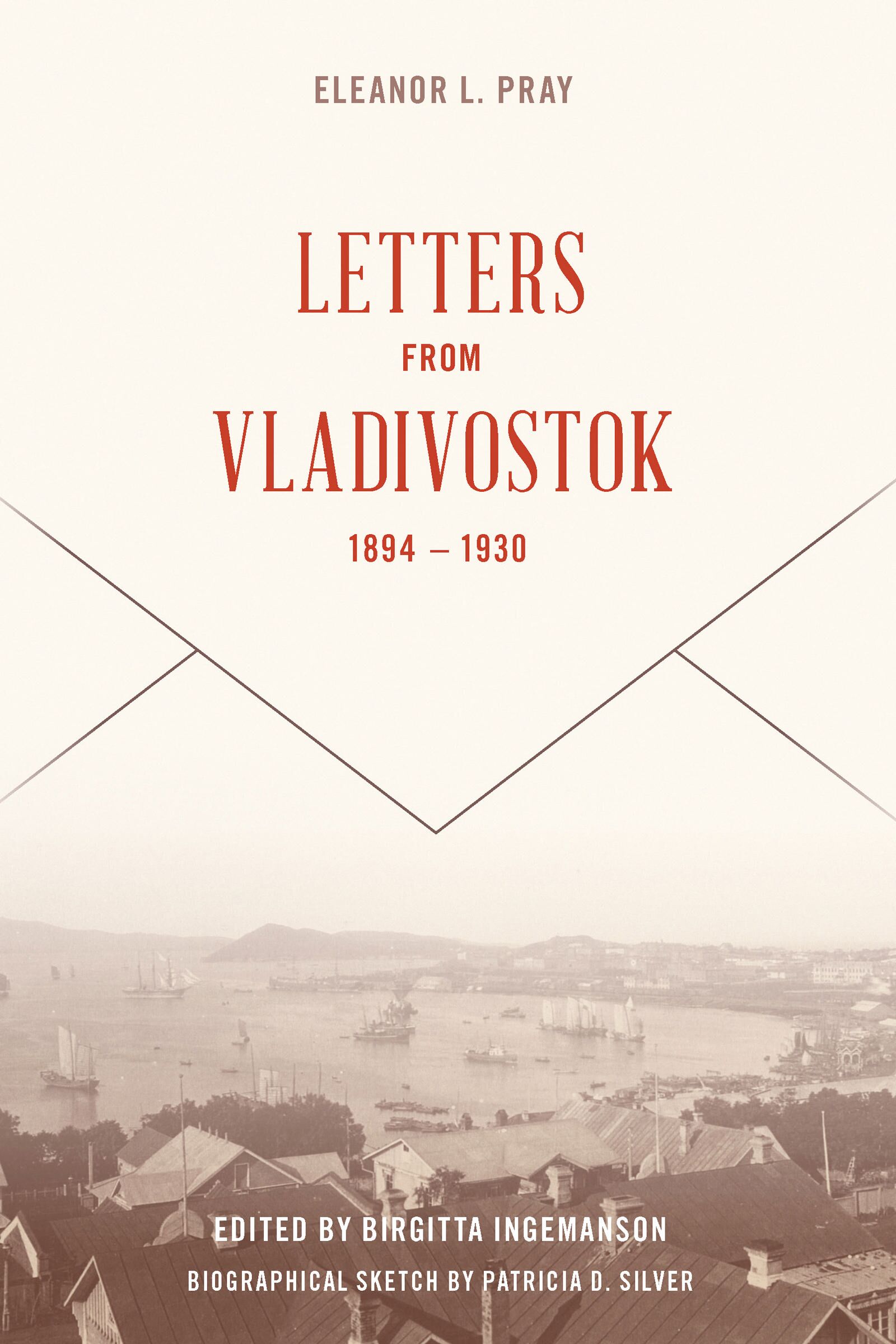
Letters from Vladivostock, 1894-1930
In 1894, Eleanor L. Pray left her New England home to move with her merchant husband to Vladivostok in the Russian Far East. Over the next thirty-six years - from the time of Tsar Alexander III to the early years of Stalin's rule - she wrote more than 2,000 letters chronicling her family life and the tumultuous social and political events she witnessed. Vladivostok, 5,600 miles east of Moscow, was shaped by a rich intersection of Asian cultures, and Pray's witty and observant writing paints a vivid picture of the city and its denizens during a period of momentous social change. The book offers highlights from Pray's letters along with illuminating historical and biographical information.
eBook

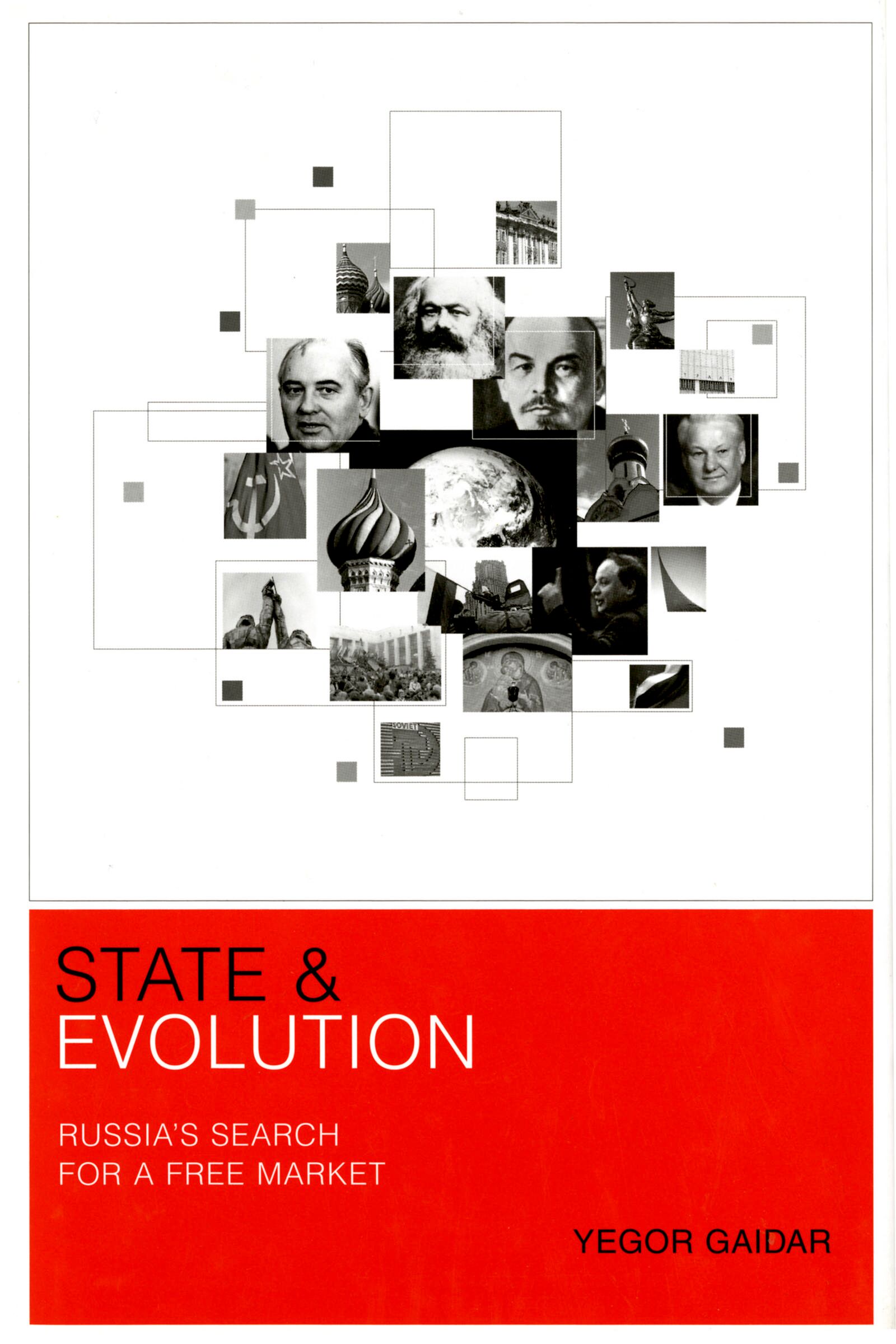
State and Evolution
\"What was the revolution of the 1990s for Russia?\" writes Yegor Gaidar. \"Was it a hard but salutary road toward the creation of a workable democracy with workable markets, a way for Russia to develop and survive in the twenty-first century? Or was it the prologue to another closed, stultified regime marching to the music of old myths and anthems?\"Few are as well-equipped to consider this matter as Gaidar, noted Russian economist and prime minister during Boris Yeltsin's early years as post-Soviet Russia's leader. He is also a student of the socioeconomic history of his country, which he traces in the book with skill and insight.Both Eastern and Western influences are examined in light of Russia's particular challenges and choices over the years and the kinds of institutions it developed as a result. The author focuses on comparing attitudes toward private property and the persistence of Eastern forms of landownership. He sees Marx's concept of the \"Asiatic mode of production\" as unfortunately still reflecting Russian realities.Gaidar's interesting analysis of Western development offers a perspective on private ownership of property in relation to government ownership that explains a lot about the evolution of socioeconomic and political systems East and West.\"If our country begins yet another cycle of privatization of authority and office,\" concludes the author, \"it will shut itself off from the First World. If we can open up this socioeconomic space, if we can let liberal democratic evolution take its course, then Russia will have every chance in the world to take its rightful place among twenty-first-century civilizations.\"State and Evolution was published in Russia in 1994. The English edition includes a new preface discussing the significance of events since that time.
eBook