
Catalogue Search | MBRL


Are you sure you want to remove the book from the shelf?

{{itemTitle}}
4,171
result(s) for
"gametophyte"
Sort by:
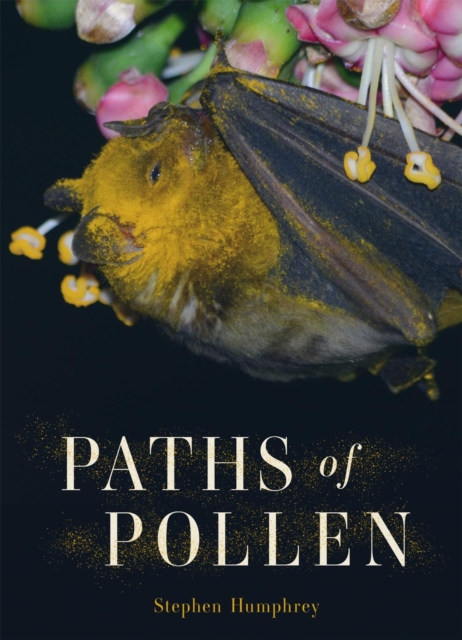
Paths of Pollen
A tiny organism called pollen pulls off one of nature's key
tasks: plant reproduction. Pollination involves a complex network
of different species interacting with one another and mutually
adapting to their ecosystems, which are constantly changing.
Some pollen grains require just a puff of wind to set them in
motion, but most plants depend on creatures gifted with mobility.
These might be birds, bats, reptiles, or insects including
butterflies, beetles, flies, wasps, and over twenty thousand
species of bee. In Paths of Pollen Stephen Humphrey asks
readers to imagine a tipping point where plants and pollinators can
no longer adapt to stressors such as urbanization, modern
agriculture, and global climate change. Illuminating the science of
pollination ecology through evocative encounters with biologists,
conservationists, and beekeepers, Humphrey illustrates the
significance of pollination to such diverse concerns as food
supply, biodiversity, rising global temperatures, and the
resilience of landscapes.
As human actions erase habitats and raise the planet's
temperature, plant diversity is dropping and a growing list of
pollinators faces decline or even extinction. Paths of
Pollen chronicles pollen's vital mission to spread plant
genes, from the prehistoric past to the present, while looking
towards an ecologically uncertain future.
eBook

A fern WUSCHEL-RELATED HOMEOBOX gene functions in both gametophyte and sporophyte generations
Background
Post-embryonic growth of land plants originates from meristems. Genetic networks in meristems maintain the stem cells and direct acquisition of cell fates. WUSCHEL-RELATED HOMEOBOX (WOX) transcription factors involved in meristem networks have only been functionally characterized in two evolutionarily distant taxa, mosses and seed plants. This report characterizes a
WOX
gene in a fern, which is located phylogenetically between the two taxa.
Results
CrWOXB
transcripts were detected in proliferating tissues, including gametophyte and sporophyte meristems of
Ceratopteris richardii
. In addition,
CrWOXB
is expressed in archegonia but not the antheridia of gametophytes. Suppression of
CrWOXB
expression in wild-type RN3 plants by RNAi produced abnormal morphologies of gametophytes and sporophytes. The gametophytes of RNAi lines produced fewer cells, and fewer female gametes compared to wild-type. In the sporophyte generation, RNAi lines produced fewer leaves, pinnae, roots and lateral roots compared to wild-type sporophytes.
Conclusions
Our results suggest that
CrWOXB
functions to promote cell divisions and organ development in the gametophyte and sporophyte generations, respectively
. CrWOXB
is the first intermediate-clade WOX gene shown to function in both generations in land plants.
Journal Article

The Long Journey of Pollen Tube in the Pistil
In non-cleistogamous plants, the male gametophyte, the pollen grain is immotile and exploits various agents, such as pollinators, wind, and even water, to arrive to a receptive stigma. The complex process of pollination involves a tubular structure, i.e., the pollen tube, which delivers the two sperm cells to the female gametophyte to enable double fertilization. The pollen tube has to penetrate the stigma, grow in the style tissues, pass through the septum, grow along the funiculus, and navigate to the micropyle of the ovule. It is a long journey for the pollen tube and its two sperm cells before they meet the female gametophyte, and it requires very accurate regulation to perform successful fertilization. In this review, we update the knowledge of molecular dialogues of pollen-pistil interaction, especially the progress of pollen tube activation and guidance, and give perspectives for future research.
Journal Article

Morphological and functional evolution of gametophytes in epilithic Hymenasplenium murakami-hatanakae (Aspleniaceae): The fifth family capable of producing the independent gametophytes
The fern independent gametophytes that can maintain populations by vegetative reproduction without conspecific sporophytes have been considered an unusual phenomenon found in some epiphytic or epilithic species of Hymenophyllaceae, Pteridaceae, Lomariopsidaceae, and Polypodiaceae. By chance, the discovery of mysterious strap-like gametophytes on Izu-Oshima Island, Japan, has led to the hypothesis that Hymenasplenium murakami-hatanakae, a fern species belonging to Aspleniaceae, can also form independent gametophytes. Our investigation revealed gametophyte populations of H. murakami-hatanakae on three islands in the Izu Islands. Based on chloroplast DNA analysis of the gametophyte and sporophyte populations, the gametophytes were found to be maintained by vegetative reproduction without a new supply of spores from sporophytes. A comparison of the surrounding vegetation at the collection sites showed that environmental factors such as light and humidity may influence the maintenance of gametophyte populations. These results clearly show that H. murakami-hatanakae is one of the ferns capable of forming independent gametophytes. This is the first report of independent gametophytes from the suborder Aspleniineae (eupolypod II). The discovery of the independent gametophyte within a phylogenetic lineage previously thought not to form independent gametophytes will provide important insights into the morphological and functional evolution of gametophytes in ferns.
Journal Article
Sporogenesis, gametophyte development and embryogenesis in Glehnia littoralis
Background
Glehnia littoralis
is an economic herb with both medicinal and edible uses. It also has important ecological value and special phylogenetic status as it is a monotypic genus species distributing around beach. Little information on its reproductive biology has been reported so far, which has hindered conservation and application of this species. In this study, we observed morphological changes from buds emergence to seeds formation and internal changes during sporogenesis, gametophyte development and embryo and endosperm development of
G. littoralis
using paraffin-embedded-sectioning and stereo microscope.
Results
The results showed that the stages of internal development events of
G. littoralis
corresponded to obvious external morphological changes, most of developmental features were consistent with other Apiaceae species. The development of male and female gametophytes was not synchronized in the same flower, however, exhibited temporal overlap. From mid-late April to mid-May, the anther primordial and ovule primordial developed into the trinucleate pollen grain and eight-nuclear embryo sac, respectively. From late-May to mid-July, the zygote developed into mature embryo. In addition, some defects in gynoecium or ovule development and abnormal embryo and endosperm development were found. We induced that the possible causes of abortion in
G. littoralis
were as follows: nutrient limitation, poor pollination and fertilization, and bad weather.
Conclusions
This study revealed the whole process and morphological characteristics of the development of reproductive organ in
G. littoralis
, which not only provided important data for the study of systematic and conservation biology, but also provided a theoretical basis for cross breeding.
Journal Article

The Arabidopsis KASH protein SINE3 is involved in male and female gametogenesis
Key message
The Arabidopsis KASH protein SINE3 is involved in male and female gametophyte development, likely affecting the first post-meiotic mitosis in both cases, and is required for full seed set.
Linker of nucleoskeleton and cytoskeleton (LINC) complexes are protein complexes spanning the inner and outer membranes of the nuclear envelope (NE) and are key players in nuclear movement and positioning. Through their roles in nuclear movement and cytoskeletal reorganization, plant LINC complexes affect processes as diverse as pollen tube rupture and stomatal development and function. KASH proteins are the outer nuclear membrane component of the LINC complex, with conserved C-termini but divergent N-terminal cytoplasmic domains. Of the known Arabidopsis KASH proteins, SUN-INTERACTING NUCLEAR ENVELOPE PROTEIN 3 (SINE3) has not been functionally characterized. Here, we show that SINE3 is expressed at all stages of male and female gametophyte development. It is located at the NE in male and female gametophytes. Loss of SINE3 results in a female-derived seed set defect, with
sine3
mutant ovules arresting at stage FG1. Pollen viability is also significantly reduced, with microspores arresting prior to pollen mitosis I. In addition
, sine3
mutants have a minor male meiosis defect, with some tetrads containing more than four spores. Together, these results demonstrate that the KASH protein SINE3 plays a crucial role in male and female gametophyte development, likely affecting the first post-meiotic nuclear division in both cases.
Journal Article

Reactive Oxygen Species as Mediators of Gametophyte Development and Double Fertilization in Flowering Plants
Reactive oxygen species (ROS) are toxic by-products of aerobic metabolism. In plants, they also function as important signaling molecules that regulate biotic and abiotic stress responses as well as plant growth and development. Recent studies have implicated ROS in various aspects of plant reproduction. In male gametophytes, ROS are associated with germline development as well as the developmentally associated programmed cell death of tapetal cells necessary for microspore development. ROS have a role in regulation of female gametophyte patterning and maintenance of embryo sac polarity. During pollination, ROS play roles in the generation of self-incompatibility response during pollen-pistil interaction, pollen tube growth, pollen tube burst for sperm release and fertilization. In this mini review, we provide an overview of ROS production and signaling in the context of plant reproductive development, from female and male gametophyte development to fertilization.
Journal Article

Auxin efflux controls orderly nucellar degeneration and expansion of the female gametophyte in Arabidopsis
• The nucellus tissue in flowering plants provides nutrition for the development of the female gametophyte (FG) and young embryo. The nucellus degenerates as the FG develops, but the mechanism controlling the coupled process of nucellar degeneration and FG expansion remains largely unknown.
• The degeneration process of the nucellus and spatiotemporal auxin distribution in the developing ovule before fertilization were investigated in Arabidopsis thaliana.
• Nucellar degeneration before fertilization occurs through vacuolar cell death and in an ordered degeneration fashion. This sequential nucellar degeneration is controlled by the signalling molecule auxin.
• Auxin efflux plays the core role in precisely controlling the spatiotemporal pattern of auxin distribution in the nucellus surrounding the FG. The auxin efflux carrier PIN1 transports maternal auxin into the nucellus while PIN3/PIN4/PIN7 further delivers auxin to degenerating nucellar cells and concurrently controls FG central vacuole expansion. Notably, auxin concentration and auxin efflux are controlled by the maternal tissues, acting as a key communication from maternal to filial tissue.
Journal Article

The canonical alpha-SNAP is essential for gametophytic development in Arabidopsis
The development of male and female gametophytes is a pre-requisite for successful reproduction of angiosperms. Factors mediating vesicular trafficking are among the key regulators controlling gametophytic development. Fusion between vesicles and target membranes requires the assembly of a fusogenic soluble N-ethylmaleimide sensitive factor attachment protein receptors (SNAREs) complex, whose disassembly in turn ensures the recycle of individual SNARE components. The disassembly of post-fusion SNARE complexes is controlled by the AAA.sup.+ ATPase N-ethylmaleimide-sensitive factor (Sec18/NSF) and soluble NSF attachment protein (Sec17/[alpha]-SNAP) in yeast and metazoans. Although non-canonical [alpha]-SNAPs have been functionally characterized in soybeans, the biological function of canonical [alpha]-SNAPs has yet to be demonstrated in plants. We report here that the canonical [alpha]-SNAP in Arabidopsis is essential for male and female gametophytic development. Functional loss of the canonical [alpha]-SNAP in Arabidopsis results in gametophytic lethality by arresting the first mitosis during gametogenesis. We further show that Arabidopsis [alpha]-SNAP encodes two isoforms due to alternative splicing. Both isoforms interact with the Arabidopsis homolog of NSF whereas have distinct subcellular localizations. The presence of similar alternative splicing of human [alpha]-SNAP indicates that functional distinction of two [alpha]-SNAP isoforms is evolutionarily conserved.
Journal Article
Earliest record of transfer cells in Lower Devonian plants
• Key sources of information on the nature of early terrestrial ecosystems are the fossilized remains of plants and associated organic encrustations, which are interpreted as either biofilms, biological soil crusts or lichens. The hypothesis that some of these encrustations might be the remains of the thalloid gametophytes of embryophytes provided the stimulus for this investigation.
• Fossils preserved in charcoal were extracted from Devonian Period (Lochkovian Stage, c. 410–419 Myr old) sediments at a geological site in Shropshire (UK). Scanning electron micrographs (SEMs) of the fossils were compared with new and published SEMs of extant bryophytes and tracheophytes, respectively. One specimen was further prepared and imaged by transmission electron microscopy.
• Fossils of thalloid morphology were composed almost entirely of cells with labyrinthine ingrowths; these also were present in fossils of axial morphology where they were associated with putative food-conducting cells. Comparison with modern embryophytes demonstrates that these distinctive cells are transfer cells (TCs).
• Our fossils provide by far the earliest geological evidence of TCs. They also show that some organic encrustations are the remains of thalloid land plants and that these are possibly part of the life cycle of a newly recognized group of plants called the eophytes.
Journal Article