
Catalogue Search | MBRL


Are you sure you want to remove the book from the shelf?

{{itemTitle}}
3
result(s) for
"ideological duality"
Sort by:
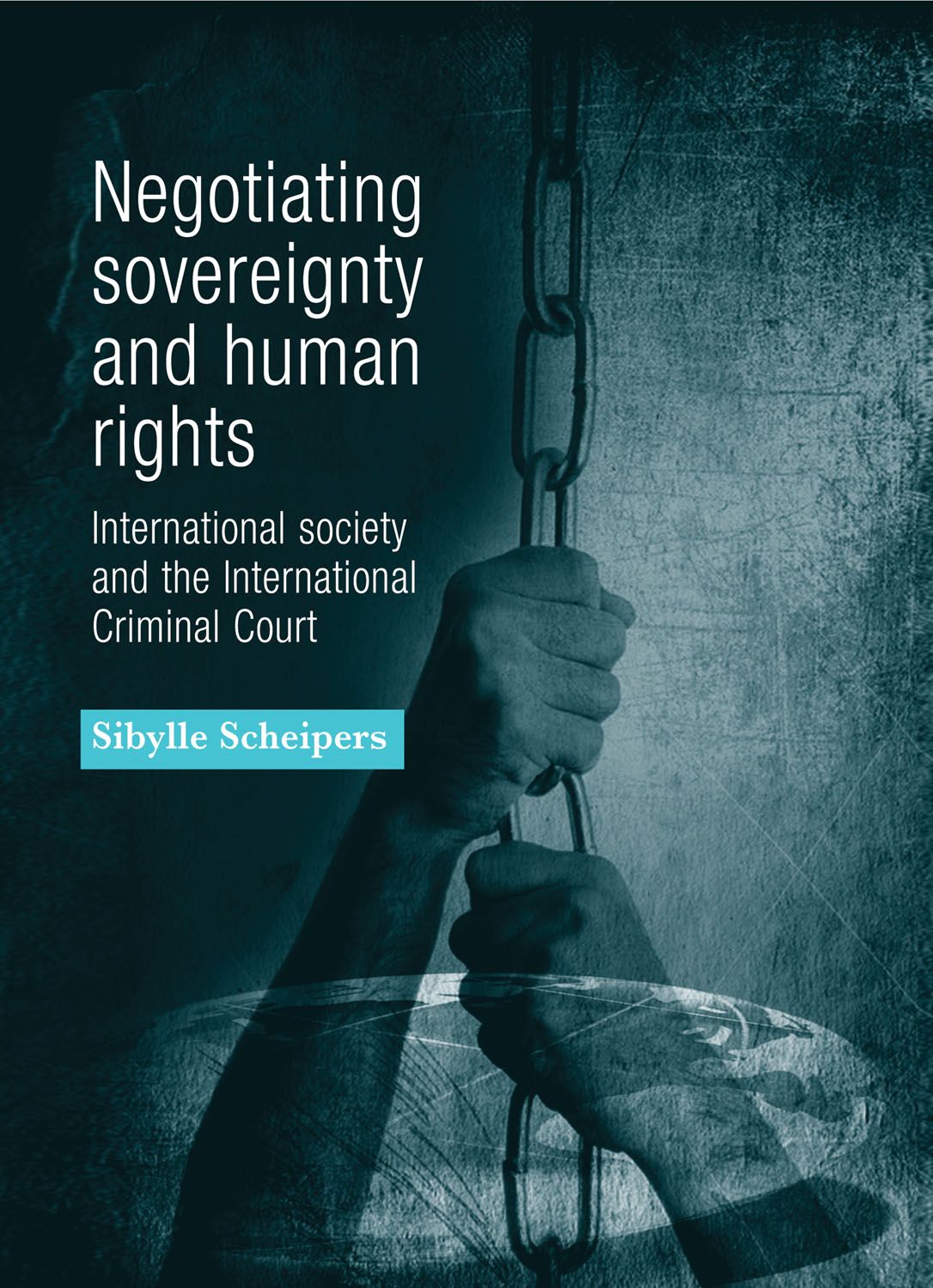
Negotiating sovereignty and human rights
Negotiating sovereignty and human rights takes the transatlantic conflict over the International Criminal Court as a lens for an enquiry into the normative foundations of international society. The author shows how the way in which actors refer to core norms of the international society such as sovereignty and human rights affect the process and outcome of international negotiations.The book offers an innovative take on the long-standing debate over sovereignty and human rights in international relations. It goes beyond the simple and sometimes ideological duality of sovereignty versus human rights by showing that sovereignty and human rights are not competing principles in international relations, as is often argued, but complement each other. The way in which the two norms and their relationship are understood lies at the core of actors’ broader visions of world order. The author shows how competing interpretations of sovereignty and human rights and the different visions of world order that they imply fed into the transatlantic debate over the ICC and transformed this debate into a conflict over the normative foundations of international society.
eBook

Negotiating sovereignty and human rights
Negotiating sovereignty and human rights takes the transatlantic conflict over the International Criminal Court as a lens for an enquiry into the normative foundations of international society. The author shows how the way in which actors refer to core norms of the international society such as sovereignty and human rights affect the process and outcome of international negotiations. The book offers an innovative take on the long-standing debate over sovereignty and human rights in international relations. It goes beyond the simple and sometimes ideological duality of sovereignty versus human rights by showing that sovereignty and human rights are not competing principles in international relations, as is often argued, but complement each other. The way in which the two norms and their relationship are understood lies at the core of actors’ broader visions of world order. The author shows how competing interpretations of sovereignty and human rights and the different visions of world order that they imply fed into the transatlantic debate over the ICC and transformed this debate into a conflict over the normative foundations of international society.
eBook

Are red managers greener? The relationship of communist CEOs and corporate environmental responsibility in China
PurposeAs China's only ruling party, will the Communist Party influence corporate decisions? The purpose of this paper is to examine whether and how the political ideology of CEOs affects the environmental responsibility of Chinese family firms and its effects on Corporate Environmental Responsibility (CER), in addition to a cohesive set of corporate governance contingency factors.Design/methodology/approachThis paper uses a series of the Ordinary Least Squares (OLS) regression estimates and two-stage approach to examine four main hypotheses, based on 7,824 observations corresponding to 1,919 family firms in China from 2004 to 2015.FindingsThe study's findings show that CEOs imprinted with communist ideology are significantly positively related to CER in family firms, that the moderating role of ownership concentration is not significant, that board independence positively moderates the focal relationship and that CEO duality negatively moderates this relationship.Originality/valueThe paper expands the research of CEOs' political ideology to the ecological context, which are of significance to both theory and practice.
Journal Article