
Catalogue Search | MBRL


Are you sure you want to remove the book from the shelf?

{{itemTitle}}
15,016,572
result(s) for
"life"
Sort by:


The nature of German imperialism
Today, the East African state of Tanzania is renowned for wildlife preserves such as the Serengeti National Park, the Ngorongoro Conservation Area, and the Selous Game Reserve. Yet few know that most of these initiatives emerged from decades of German colonial rule. This book gives the first full account of Tanzanian wildlife conservation up until World War I, focusing upon elephant hunting and the ivory trade as vital factors in a shift from exploitation to preservation that increasingly excluded indigenous Africans. Analyzing the formative interactions between colonial governance and the natural world,The Nature of German Imperialism situates East African wildlife policies within the global emergence of conservationist sensibilities around 1900.
eBook
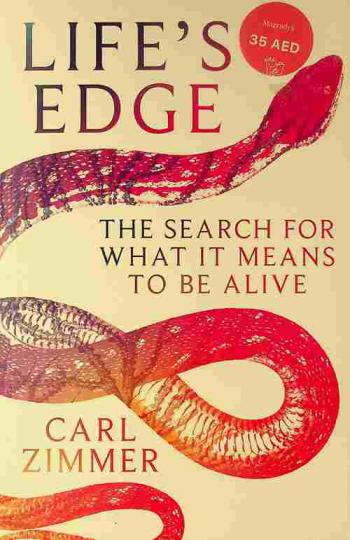
Life's edge : the search for what it means to be alive
Carl Zimmer investigates one of the biggest questions of all: What is life? The answer seems obvious until you try to seriously answer it. Is the apple sitting on your kitchen counter alive, or is only the apple tree it came from deserving of the word? If we can't answer that question here on earth, how will we know when and if we discover alien life on other worlds? The question hangs over some of society's most charged conflicts - whether a fertilized egg is a living person, for example, and when we ought to declare a person legally dead. Zimmer journeys through the strange experiments that have attempted to re-create life. Literally hundreds of definitions of what that should look like now exist, but none has yet emerged as an obvious winner. Lists of what living things have in common do not add up to a theory of life. It's never clear why some items on the list are essential and others not. Coronaviruses have altered the course of history, and yet many scientists maintain they are not alive. Chemists are creating droplets that can swarm, sense their environment, and multiply. Have they made life in the lab?

Life's edge : the search for what it means to be alive
\"We all assume we know what life is, but the more scientists learn about the living world-from protocells to brains, from zygotes to pandemic viruses-the harder they find it is to locate life's edge\"-- Provided by publisher.

Airway surface liquid acidification initiates host defense abnormalities in Cystic Fibrosis
Cystic fibrosis (CF) is caused by defective Cystic Fibrosis Transmembrane Conductance Regulator (CFTR) protein. Morbidity is mainly due to early airway infection. We hypothesized that
S. aureus
clearance during the first hours of infection was impaired in CF human Airway Surface Liquid (ASL) because of a lowered pH. The ASL pH of human bronchial epithelial cell lines and primary respiratory cells from healthy controls (WT) and patients with CF was measured with a pH microelectrode. The antimicrobial capacity of airway cells was studied after
S. aureus
apical infection by counting surviving bacteria. ASL was significantly more acidic in CF than in WT respiratory cells. This was consistent with a defect in bicarbonate secretion involving CFTR and SLC26A4 (pendrin) and a persistent proton secretion by ATP12A. ASL demonstrated a defect in
S. aureus
clearance which was improved by pH normalization. Pendrin inhibition in WT airways recapitulated the CF airway defect and increased
S. aureus
proliferation. ATP12A inhibition by ouabain decreased bacterial proliferation. Antimicrobial peptides LL-37 and hBD1 demonstrated a pH-dependent activity. Normalizing ASL pH might improve innate airway defense in newborns with CF during onset
of S. aureus
infection. Pendrin activation and ATP12A inhibition could represent novel therapeutic strategies to normalize pH in CF airways.
Journal Article

Answers to unsolved questions of life
Provides explanations to fundamental questions about life to which there seems to be no clear answer, such as, \"Who are we?\" and \"What is the meaning of life?\"
Book

Effect of Arabinogalactan Proteins from the Root Caps of Pea and Brassica napus on Aphanomyces euteiches Zoospore Chemotaxis and Germination
Root tips of many plant species release a number of border, or border-like, cells that are thought to play a major role in the protection of root meristem. However, little is currently known on the structure and function of the cell wall components of such root cells. Here, we investigate the sugar composition of the cell wall of the root cap in two species: pea (Pisum sativum), which makes border cells, and Brassica napus, which makes border-like cells. We find that the cell walls are highly enriched in arabinose and galactose, two major residues of arabinogalactan proteins. We confirm the presence of arabinogalactan protein epitopes on root cap cell walls using immunofluorescence microscopy. We then focused on these proteoglycans by analyzing their carbohydrate moieties, linkages, and electrophoretic characteristics. The data reveal (1) significant structural differences between B. napus and pea root cap arabinogalactan proteins and (2) a cross-link between these proteoglycans and pectic polysaccharides. Finally, we assessed the impact of root cap arabinogalactan proteins on the behavior of zoospores of Aphanomyces euteiches, an oomycetous pathogen of pea roots. We find that although the arabinogalactan proteins of both species induce encystment and prevent germination, the effects of both species are similar. However, the arabinogalactan protein fraction from pea attracts zoospores far more effectively than that from B. napus. This suggests that root arabinogalactan proteins are involved in the control of early infection of roots and highlights a novel role for these proteoglycans in root-microbe interactions.
Journal Article


Global, regional, and national disability-adjusted life years (DALYs) for 306 diseases and injuries and healthy life expectancy (HALE) for 188 countries, 1990–2013: quantifying the epidemiological transition
The Global Burden of Disease Study 2013 (GBD 2013) aims to bring together all available epidemiological data using a coherent measurement framework, standardised estimation methods, and transparent data sources to enable comparisons of health loss over time and across causes, age–sex groups, and countries. The GBD can be used to generate summary measures such as disability-adjusted life-years (DALYs) and healthy life expectancy (HALE) that make possible comparative assessments of broad epidemiological patterns across countries and time. These summary measures can also be used to quantify the component of variation in epidemiology that is related to sociodemographic development.
We used the published GBD 2013 data for age-specific mortality, years of life lost due to premature mortality (YLLs), and years lived with disability (YLDs) to calculate DALYs and HALE for 1990, 1995, 2000, 2005, 2010, and 2013 for 188 countries. We calculated HALE using the Sullivan method; 95% uncertainty intervals (UIs) represent uncertainty in age-specific death rates and YLDs per person for each country, age, sex, and year. We estimated DALYs for 306 causes for each country as the sum of YLLs and YLDs; 95% UIs represent uncertainty in YLL and YLD rates. We quantified patterns of the epidemiological transition with a composite indicator of sociodemographic status, which we constructed from income per person, average years of schooling after age 15 years, and the total fertility rate and mean age of the population. We applied hierarchical regression to DALY rates by cause across countries to decompose variance related to the sociodemographic status variable, country, and time.
Worldwide, from 1990 to 2013, life expectancy at birth rose by 6·2 years (95% UI 5·6–6·6), from 65·3 years (65·0–65·6) in 1990 to 71·5 years (71·0–71·9) in 2013, HALE at birth rose by 5·4 years (4·9–5·8), from 56·9 years (54·5–59·1) to 62·3 years (59·7–64·8), total DALYs fell by 3·6% (0·3–7·4), and age-standardised DALY rates per 100 000 people fell by 26·7% (24·6–29·1). For communicable, maternal, neonatal, and nutritional disorders, global DALY numbers, crude rates, and age-standardised rates have all declined between 1990 and 2013, whereas for non–communicable diseases, global DALYs have been increasing, DALY rates have remained nearly constant, and age-standardised DALY rates declined during the same period. From 2005 to 2013, the number of DALYs increased for most specific non-communicable diseases, including cardiovascular diseases and neoplasms, in addition to dengue, food-borne trematodes, and leishmaniasis; DALYs decreased for nearly all other causes. By 2013, the five leading causes of DALYs were ischaemic heart disease, lower respiratory infections, cerebrovascular disease, low back and neck pain, and road injuries. Sociodemographic status explained more than 50% of the variance between countries and over time for diarrhoea, lower respiratory infections, and other common infectious diseases; maternal disorders; neonatal disorders; nutritional deficiencies; other communicable, maternal, neonatal, and nutritional diseases; musculoskeletal disorders; and other non-communicable diseases. However, sociodemographic status explained less than 10% of the variance in DALY rates for cardiovascular diseases; chronic respiratory diseases; cirrhosis; diabetes, urogenital, blood, and endocrine diseases; unintentional injuries; and self-harm and interpersonal violence. Predictably, increased sociodemographic status was associated with a shift in burden from YLLs to YLDs, driven by declines in YLLs and increases in YLDs from musculoskeletal disorders, neurological disorders, and mental and substance use disorders. In most country-specific estimates, the increase in life expectancy was greater than that in HALE. Leading causes of DALYs are highly variable across countries.
Global health is improving. Population growth and ageing have driven up numbers of DALYs, but crude rates have remained relatively constant, showing that progress in health does not mean fewer demands on health systems. The notion of an epidemiological transition—in which increasing sociodemographic status brings structured change in disease burden—is useful, but there is tremendous variation in burden of disease that is not associated with sociodemographic status. This further underscores the need for country-specific assessments of DALYs and HALE to appropriately inform health policy decisions and attendant actions.
Bill & Melinda Gates Foundation.
Journal Article