
Catalogue Search | MBRL


Are you sure you want to remove the book from the shelf?

{{itemTitle}}
565
result(s) for
"more"
Sort by:
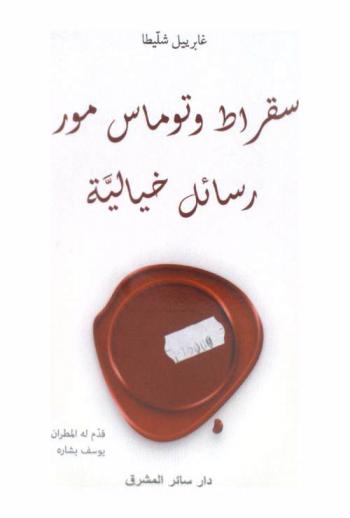
سقراط وتوماس مور : رسائل خيالية
يقدم لنا غبرييل شليطا، السياسي البرازيلي من أصل لبناني، كتابه عن سقراط وتوماس مور بقالب أدبي فلسفي جديد. الكتاب هو مجموعة رسائل افتراضية خيالية كتبها سقراط آخر وتوماس مور آخر، في زمان ليس زمانهما وأمكنة غير أماكنهما. الكتاب من أدب اليوتوبيا أو المدينة الفاضلة. كلماته أبعد من الخيال وأقرب إلى الواقع. فالسياسة هي فن الممكن كما حددتها الفلسفة اليونانية. ولكنها مع سقراط وتوماس مور هي أبعد من الممكن، هي فن ارتقاء الفرد والمجتمع إلى السعادة من خلال الحق والعدل. سقراط في بلاد الإغريق وتوماس مور في بلاد الإنكليز دفعا حياتهما ثمن تمسكهما بالحق والعدل وسيلة لبلوغ السعادة. هما شهيدا الحق. انتصر الحسد والحقد على جسديهما، ولكن فكرهما كان حيلة ونورا وقد أنصفهما التاريخ بالخلود بين الكبار من هذه الإنسانية.
Book

The One Thomas More
\"Thomas More\" the humanist. \"Sir Thomas More\" the statesman. \"Saint Thomas More\" the martyr. Who was Thomas More? Which characterization of him is most true? Despite these multiple images and the problems of More's true identity, Travis Curtright uncovers a continuity of interests and, through interdisciplinary contexts, presents one Thomas More. The One Thomas More carefully studies the central humanist and polemical texts written by More to illustrate a coherent development of thought. Focusing on three major works from More's humanist phase, The Life of Pico, The History of Richard III, and Utopia, Curtright demonstrates More's idea of humanitas and his corresponding program of moderate political reform. Curtright then shows how More's later polemical theology and defense of the ecclesiastical courts were a continuation of his commitments rather than a break from them. Finally, More's prison letters are examined. His self-presentation in these letters is compared with other recent and iconic versions, such as those in Robert Bolt's Man for All Seasons and Hilary Mantel's Wolf Hall. Instead of a divided mind emerging, Curtright ably shows More's integrity and consistency of thought.
eBook

Law, justice, and the individual : Thomas More Lecture, 's-Hertogenbosch, 30 March 2011
\"In this lecture ... Ernst Hirsch Ballin ... finds common ground between Thomas More's early sixteenth century Christian humanism and present-day issues of law and justice\"--Page [2].
Book

Sofosbuvir and Velpatasvir for HCV Genotype 1, 2, 4, 5, and 6 Infection
In this phase 3 study involving patients with HCV genotype 1, 2, 4, 5, or 6 infection, including those with compensated cirrhosis, treatment with 12 weeks of sofosbuvir and velpatasvir resulted in a sustained virologic response in 99% of patients.
The hepatitis C virus (HCV), a single-stranded RNA virus of the family Flaviviridae with six major genotypes, infects up to 150 million people worldwide.
1
,
2
Chronic HCV infection causes progressive liver fibrosis, which can lead to cirrhosis, hepatic decompensation, and hepatocellular carcinoma.
3
,
4
As many as half a million people die annually from liver disease associated with chronic HCV infection.
5
In recent years, the development of drugs that directly interfere with HCV replication has revolutionized HCV treatment. There are now effective combinations of direct-acting antiviral agents for most patients, but in choosing an appropriate regimen, clinicians must take into account . . .
Journal Article
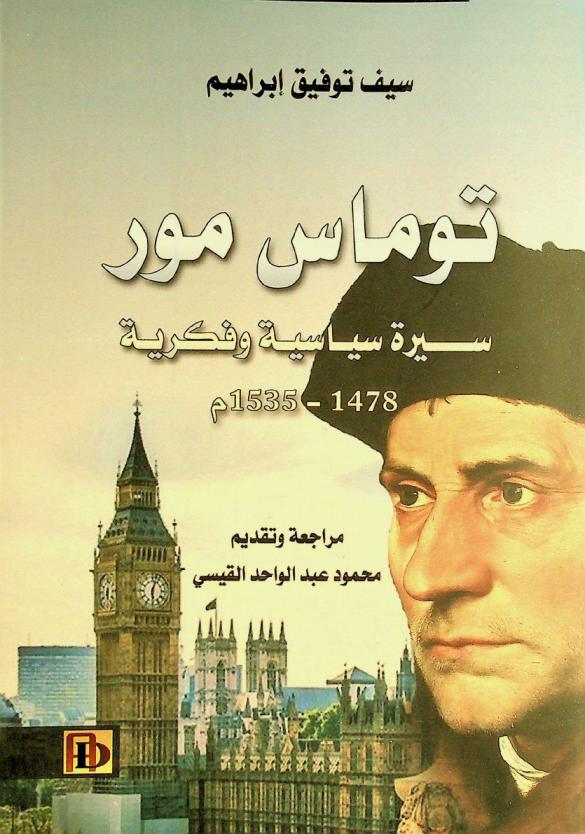
توماس مور : سيرة سياسية وفكرية 1478-1535 م /
ينتمي توماس مور (1478-1535) إلى هذه المرحلة الانتقالية وإلى هذا الفكر الجديد، فهو أحد رموز النهضة الأوربية عموما، والإنكليزية على نحو خاص عاصر مور المرحلة الثانية من النهضة الأوربية، التي ابتدأت منذ أواخر القرن الخامس عشر وحتى النصف الثاني من القرن السادس عشر التي أطلق عليها المؤرخ كمال مظهر أحمد \"مرحلة النضج والتكامل\" درس مور علوما متعددة القانون اللاهوت، والإنسانيات مما جعله ملما بعلوم عصره، ومقتربا من المثالية في تفكيره عاصر مور أواخر عهد هنري السابع ومدة طويلة من عهد هنري الثامن، وعانى في علاقته مع هذين الملكين.
Book

Humanism and style
Clarence Miller's Humanism and Style: Essays on Erasmus and More provides an illuminating and circumstantial engagement with the important works of two great humanists, especially their masterpieces, The Praise of Folly and Utopia. He shows how they were deeply influenced by the very medieval world that they rejected as they were seeking to recover vital connections to the classics and the church fathers. Miller's essays cover a complex terrain that includes the rhetorical functions of stylistic shifts, the deployment of proverbial wisdom, engagement with ancient texts in an early modern setting, and the challenges of maintaining a stance of faith in a world always muddied in its history. These essays disclose a sensibility in the work of Erasmus and More that is already attuned to many insights that have emerged with contemporary literary theory.
eBook
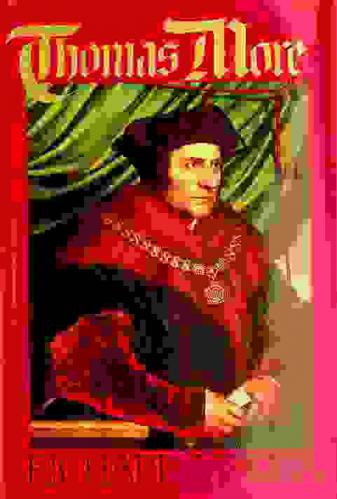

Writing Faith and Telling Tales
Thomas More is a complex and controversial figure who has been regarded as both saint and persecutor, leading humanist and a representative of late medieval culture. His religious writings, with their stark and at times violent attacks on what More regarded as heresy, have been hotly debated. In Writing Faith and Telling Tales, Thomas Betteridge sets More's writings in a broad cultural and chronological context, compares them to important works of late fourteenth- and fifteenth-century vernacular theology, and makes a compelling argument for the revision of existing histories of Thomas More and his legacy. Betteridge focuses on four areas of More's writings: politics, philosophy, theology, and devotion. He examines More's History of King Richard III as a work of both history and political theory. He discusses Utopia and the ways in which its treatment of reason reflects More's Christian humanism. By exploring three of More's lesser known works, The Supplication of Souls, The Confutation, and The Apology, Betteridge demonstrates that More positioned his understanding of heresy within and against a long tradition of English anti-heretical writing, as represented in the works of Hoccleve, Lydgate, and Love. Finally, Betteridge focuses on two key concepts for understanding More's late devotional works: prayer and the book of Christ. In both cases, Betteridge claims, More seeks to develop a distinctive position that combines late medieval devotionalism with an Augustinian emphasis on the ethics of writing and reading. Writing Faith and Telling Tales poses important questions concerning periodization and confessionalization and will influence future work on the English Reformation and humanist writing in England.
eBook

