
Catalogue Search | MBRL


Are you sure you want to remove the book from the shelf?

{{itemTitle}}
1,178
result(s) for
"nonfiction guide"
Sort by:

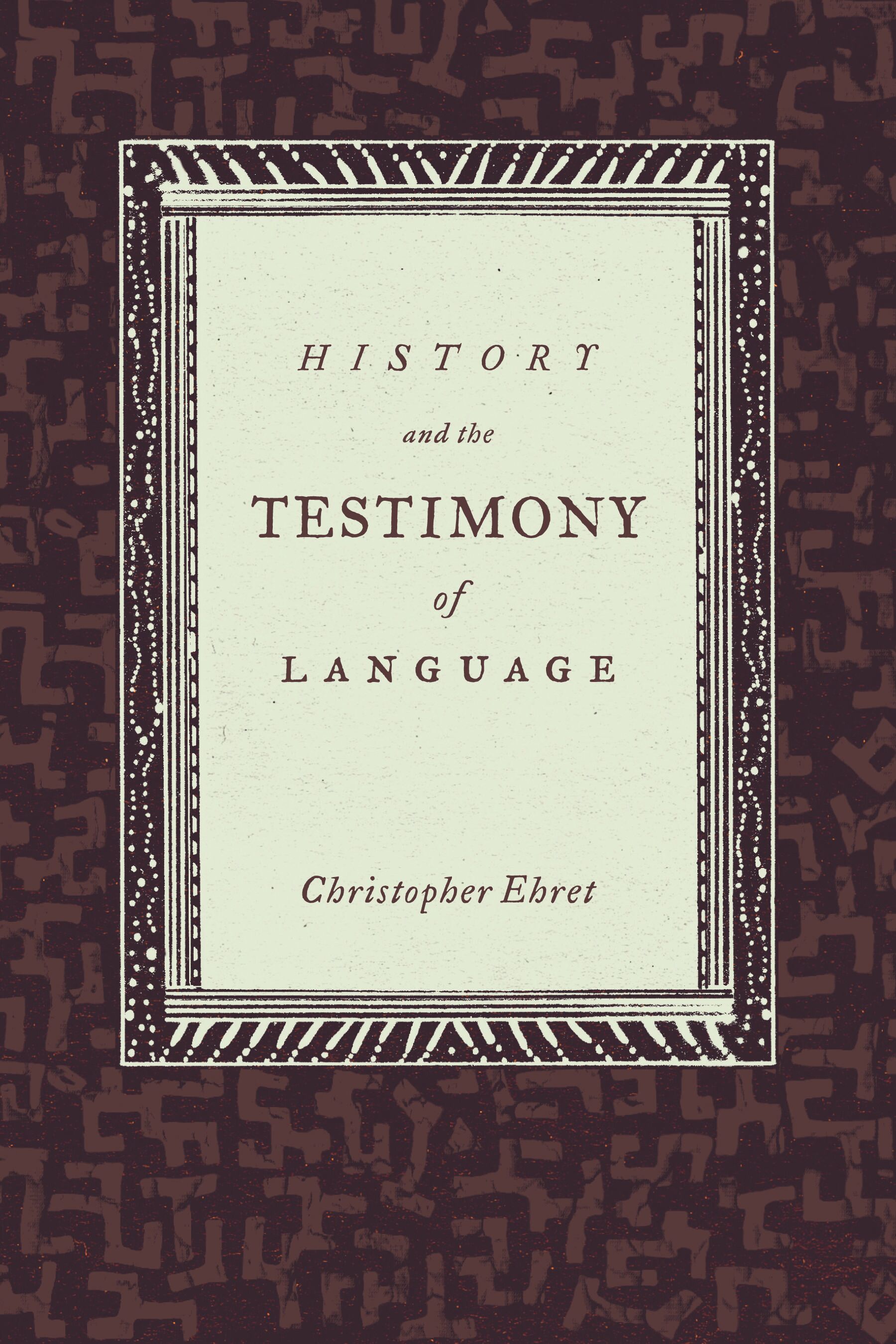
History and the testimony of language
This book is about history and the practical power of language to reveal historical change. Christopher Ehret offers a methodological guide to applying language evidence in historical studies. He demonstrates how these methods allow us not only to recover the histories of time periods and places poorly served by written documentation, but also to enrich our understanding of well-documented regions and eras. A leading historian as well as historical linguist of Africa, Ehret provides in-depth examples from the language phyla of Africa, arguing that his comprehensive treatment can be applied by linguistically trained historians and historical linguists working with any language and in any area of the world.
eBook
History and the Testimony of Language
This book is about history and the practical power of language to reveal historical change. Christopher Ehret offers a methodological guide to applying language evidence in historical studies. He demonstrates how these methods allow us not only to recover the histories of time periods and places poorly served by written documentation, but also to enrich our understanding of well-documented regions and eras. A leading historian as well as historical linguist of Africa, Ehret provides in-depth examples from the language phyla of Africa, arguing that his comprehensive treatment can be applied by linguistically trained historians and historical linguists working with any language and in any area of the world.
eBook

Inside national health reform
This indispensable guide to the Affordable Care Act, our new national health care law, lends an insider's deep understanding of policy to a lively and absorbing account of the extraordinary—and extraordinarily ambitious—legislative effort to reform the nation's health care system. Dr. John E. McDonough, DPH, a health policy expert who served as an advisor to the late Senator Edward Kennedy, provides a vivid picture of the intense effort required to bring this legislation into law. McDonough clearly explains the ACA's inner workings, revealing the rich landscape of the issues, policies, and controversies embedded in the law yet unknown to most Americans. In his account of these historic events, McDonough takes us through the process from the 2008 presidential campaign to the moment in 2010 when President Obama signed the bill into law. At a time when the nation is taking a second look at the ACA, Inside National Health Reform provides the essential information for Americans to make informed judgments about this landmark law.
eBook

How Our Lives Become Stories
The popularity of such books as Frank McCourt's Angela's Ashes, Mary Karr's The Liars' Club, and Kathryn Harrison's controversialThe Kiss, has led columnists to call ours \"the age of memoir.\" And while some critics have derided the explosion of memoir as exhibitionistic and self-aggrandizing, literary theorists are now beginning to look seriously at this profusion of autobiographical literature. Informed by literary, scientific, and experiential concerns,How Our Lives Become Stories enhances knowledge of the complex forces that shape identity, and confronts the equally complex problems that arise when we write about who we think we are.
Using life writings as examples-including works by Christa Wolf, Art Spiegelman, Oliver Sacks, Henry Louis Gates, Melanie Thernstrom, and Philip Roth-Paul John Eakin draws on the latest research in neurology, cognitive science, memory studies, developmental psychology, and related fields to rethink the very nature of self-representation. After showing how the experience of living in one's body shapes one's identity, he explores relational and narrative modes of being, emphasizing social sources of identity, and demonstrating that the self and the story of the self are constantly evolving in relation to others. Eakin concludes by engaging the ethical issues raised by the conflict between the authorial impulse to life writing and a traditional, privacy-based ethics that such writings often violate.
The popularity of such books as Frank McCourt's Angela's Ashes, Mary Karr's The Liars' Club, and Kathryn Harrison's controversialThe Kiss, has led columnists to call ours \"the age of memoir.\" And while some critics have derided the explosion of memoir as exhibitionistic and self-aggrandizing, literary theorists are now beginning to look seriously at this profusion of autobiographical literature. Informed by literary, scientific, and experiential concerns,How Our Lives Become Stories enhances knowledge of the complex forces that shape identity, and confronts the equally complex problems that arise when we write about who we think we are.
Using life writings as examples-including works by Christa Wolf, Art Spiegelman, Oliver Sacks, Henry Louis Gates, Melanie Thernstrom, and Philip Roth-Paul John Eakin draws on the latest research in neurology, cognitive science, memory studies, developmental psychology, and related fields to rethink the very nature of self-representation. After showing how the experience of living in one's body shapes one's identity, he explores relational and narrative modes of being, emphasizing social sources of identity, and demonstrating that the self and the story of the self are constantly evolving in relation to others. Eakin concludes by engaging the ethical issues raised by the conflict between the authorial impulse to life writing and a traditional, privacy-based ethics that such writings often violate.
eBook

Writing about music
Where do you place the hyphen in \"Beethoven\" if it breaks between two lines? How do you cite John Coltrane's album A Love Supreme? Is it \"premiere\" or \"première\"? The answers and much more can be found in this definitive resource for authors, students, editors, concert producers—anyone who deals with music in print. Extending the principles devised for the classical repertoires, this revised and expanded edition now includes examples from world music, rock, jazz, popular music, and cinema. This essential volume covers some of the thorniest issues of musical discourse: how to go about describing musical works and procedures in prose, the rules for citations in notes and bibliography, and proper preparation of such materials as musical examples, tables, and illustrations. One section discusses program notes, while others explain the requirements for submitting manuscripts and electronic files, and outline best practices for student writers. An appendix lists common problem words. Updates include greatly simplified citations of Internet locators, the recognition of multiple platforms, and the expectation of paperless transmission and storage of work. Cited as the authority by The Chicago Manual of Style, this classic handbook is the go-to source for anyone writing about music.
eBook

Screenwriting for a Global Market
Cinema is a truly global phenomenon and screenwriters who limit their ambitions to Hollywood can unnecessarily limit their careers. This book, loaded with information on every page, provides the practical know-how for breaking into the global marketplace. It is the first book to offer specific advice on writing for screens large and small, around the world from Hollywood to New Zealand, from Europe to Russia, and for alternative American markets including Native American, regional, and experimental. The book provides valuable insider information, such as * Twenty-five percent of German television is written by Hollywood writers. Screenwriters just need to know how to reach that market. * Many countries, including those in the European Union, have script development money available-to both foreign and local talent--from government-sponsored film funds. * The Web's influence on the film industry has been profound, and here you can find out how to network through the Web. The book also lists the key Web addresses for writers. Andrew Horton, author of two acclaimed books on screenwriting, includes personal essays by accomplished screenwriters from around the world and offers insightful case studies of several films and television scripts, among themMy Big Fat Greek Wedding; Crouching Tiger, Hidden Dragon;andThe Sopranos.Full of endless enthusiasm for great films and great scripts, this book will be an essential resource for both aspiring writers and accomplished writers hoping to expand their horizons, improve their skills, and increase their chances for success. Includes an interview with Terry Gilliam and contributions from Bernard Gordon, writer forThe Day of the TriffidsandThe Thin Red Line;Lew Hunter, Chair of Screenwriting at UCLA; Karen Hall, writer/producer forJudging AmyandM*A*S*H;and other screenwriters
eBook
Design for democracy
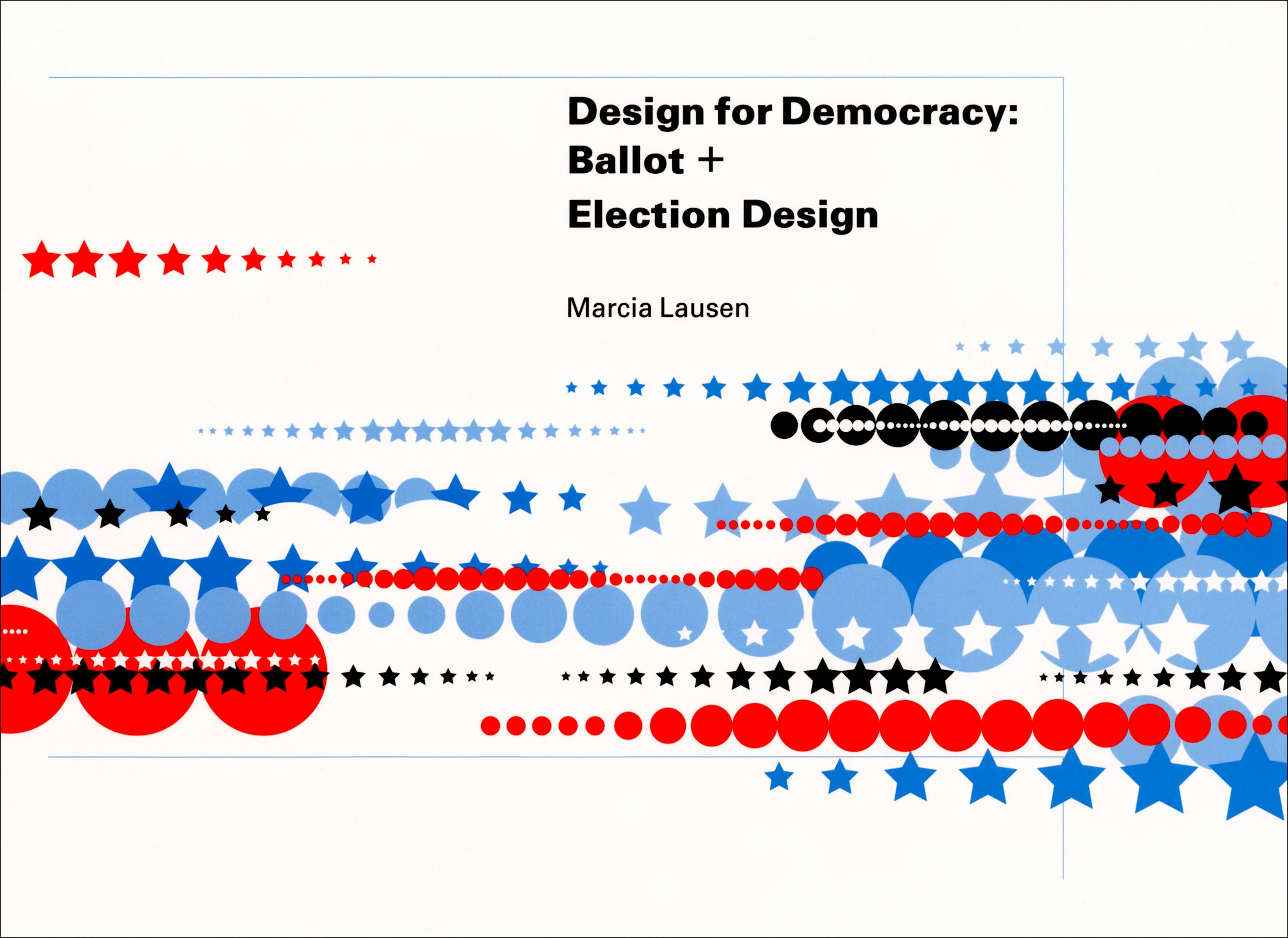
In November 2000, when the now-infamous \"butterfly ballot\" confused crucial Florida voters during a hotly contested presidential race, the importance of well-designed ballots to a functioning democracy caught the nation's attention. Recognizing that our entire voting process—from registering to vote to following instructions at the polling place—can be almost as confusing as the Florida ballot, Design for Democracy builds on the lessons of 2000 by presenting innovative steps for redesigning elections in the service of citizens. Handsomely designed itself, this volume showcases adaptable design models that can improve almost every part of the election process by maximizing the clarity and usability of ballots, registration forms, posters and signs, informational brochures and guides, and even administrative materials for poll workers. Design for Democracy also lays out specific guidelines—covering issues of color palette, typography, and image use—that anchor the comprehensive election design system devised by the group of design specialists from whose name the book takes its title. Part of a major AIGA strategic program, this group's prototypes and recommendations have already been used successfully in major Illinois and Oregon elections and, collected here, are likely to spread across the country as more people become aware of the myriad benefits and broad applicability of improved election design. An essential tool for designers and election officials, lawmakers and citizens, Design for Democracy harnesses the power of design to increase voter confidence, promote government transparency, and, perhaps most important, create an informed electorate.
eBook
Glossary of typesetting terms
Glossary of Typesetting Terms is an up-to-date reference book on the craft of typography. It organizes a dictionary and a style guide into a single, one-stop resource. Prepared by a team of leading professionals—a designer, an editor, compositors, and production managers—this glossary will be valuable to anyone who works in publishing or printing for its definitions of typographical terms and concise treatment of typographical style. The glossary adds important details to discussions of typography that are covered more generally in editorial style guides such as The Chicago Manual of Style. It is indispensable to anyone who prepares text for a living, including those who implement their own typesetting decisions with the aid of word-processing and page-layout software. This manual furnishes a common technical vocabulary for specialists and nonspecialists alike. More than 900 entries provide up-to-date meanings for traditional terms like kerning, bleed, and thumbnail and definitions of new phrases like global search and replace, H & J (hyphenation and justification), and idiot file that have been developed to describe the role of computer technology in typesetting. Eight appendixes offer additional guidance. The house style sheets of a major typesetter provide a sample checklist of items that affect the way in which words are composed into professional-quality type. Other appendixes cover families of type, the parts of a book, diagrams of the parts of a letter, coding and marking a manuscript in the precise language of typesetters, writing specifications for tables, proofreaders’ marks, and special characters. No other reference book makes the vocabulary and practices of contemporary typesetting so accessible.
eBook

Reptiles and amphibians of the Pacific Islands
The Pacific is not only the world’s largest body of water; its vast expanse also includes an extraordinary number and diversity of oceanic islands, from Palau and the Marianas east of the Philippines to Cocos Island and the Galápagos west of the Americas. The isolation of these islands and the extreme distances between them long prevented scientists from studying their floras and faunas in a comparative context. But now George R. Zug, one of the world's foremost experts on the diverse reptiles and amphibians of the Pacific Basin, offers the first such systematic overview in more than half a century. Reptiles and Amphibians of the Pacific Islands is a compendium of frogs, lizards, snakes, and turtles living on these lands and in the adjacent waters of the oceanic islands in the tropical Pacific. The means to identify each species is included, along with entries that describe each animal's form, coloration, habitat, distribution, reproductive biology, and natural history. Color plates of more than 75 percent of the species also help to facilitate visual identification. This accessible and informative guide is the most comprehensive field guide available and will appeal to both novice sightseers and professional naturalists.
eBook
Adulting for dummies
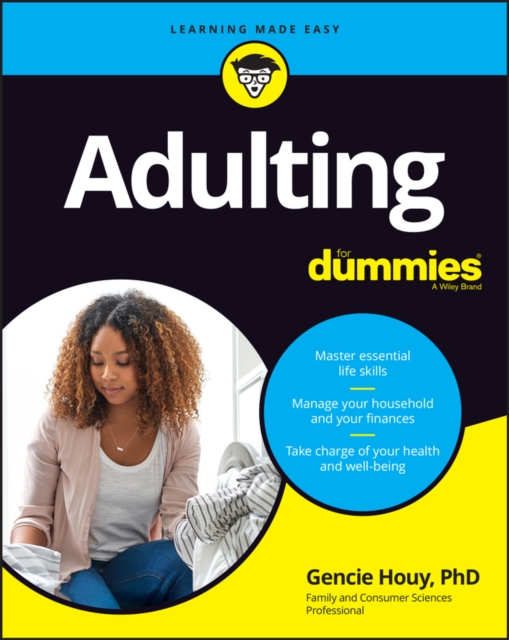
Learn to adult even better than your parents Even though it's tougher than ever, this adulting thing doesn't come with instructions! The moment you turn 18 you're expected to be a master of everything from personal finance to household chores, even if you've never done any of these things before. It's no wonder that a lot of people just like you are looking for a guide to adulthood that doesn't assume you magically learned how to do laundry and invest in a 401(k) on your eighteenth birthday. In Adulting For Dummies, Gencie Houy, independent living educator at Texas Tech, walks you through every critical part of adulting on your own. From basic life and household tasks to managing your finances and health, you'll learn how to achieve your goals in each area of your life that matters to you. You'll also discover how to balance the different parts of your life so you don't get overwhelmed in any one area. The book also offers: * Advice on navigating the modern dating scene and communicating with family members, friends, and romantic partners * Guidance on budgeting your money and saving up for a house (yes, it's still possible!) * Easy strategies for keeping your home in order and in good shape No one said being an adult is easy. But, with help from your friends at Dummies, it doesn't have to be impossible. Grab a copy of Adulting For Dummies today!
eBook