
Catalogue Search | MBRL


Are you sure you want to remove the book from the shelf?

{{itemTitle}}
33,344
result(s) for
"olivier"
Sort by:


Social robots as depictions of social agents
Social robots serve people as tutors, caretakers, receptionists, companions, and other social agents. People know that the robots are mechanical artifacts, yet they interact with them as if they were actual agents. How is this possible? The proposal here is that people construe social robots not as social agents per se, but as depictions of social agents. They interpret them much as they interpret ventriloquist dummies, hand puppets, virtual assistants, and other interactive depictions of people and animals. Depictions as a class consist of three physical scenes with part-by-part mappings between them: (a) a base scene (the raw physical artifact), (b) the depiction proper (the artifact construed as a depiction), and (c) the scene depicted (the scene people are to imagine). With social robots, evidence shows people form the same three scenes plus mappings: They perceive the raw machinery of a robot, construe it as a depiction of a character, and, using the depiction as a guide, engage in the pretense that they are interacting with the character depicted. With social robots, people also recognize three classes of agents – the characters depicted, the intended recipients of the depictions (those who view or interact with the robots), and the authorities responsible for the robots (the designers, makers, and owners). Construing social robots as depictions, we argue, accounts for many phenomena not covered by alternative models.
Journal Article


Olivier Messiaen : a critical biography
\"Drawing on a range of sources and fields, the rich life story of this polymathic composer. This groundbreaking biography offers fresh perspectives on the life, ideas, and music of French twentieth-century composer, organist, and ornithologist Olivier Messiaen. Drawing from previously unexplored sketches and archival material, the book seamlessly combines elements of biography, musicology, theology, philosophy, psychoanalysis, and aesthetics to present a nuanced perspective on Messiaen's work. Robert Sholl explores the profound impact of Messiaen's devout Catholicism, which found expression through his work as a church organist, his engagement with birdsong, his interaction with Surrealism, and his profound influence on major musical figures of the latter twentieth century. Unlike previous biographies, this book also considers the perspectives of Messiaen's contemporaries and students, providing a comprehensive understanding of his life and artistic legacy\"--Publisher's description.
Book

Messiaen's Language of Mystical Love
These new essays written specifically for this volume explore the various aspects of Olivier Messiaen's spiritually committed musical language, drawing on his own remarks in subheadings and prefaces, his biblical and theological citations, his allusions to works of visual art, and on the language spoken directly by the musical tropes themselves.
eBook
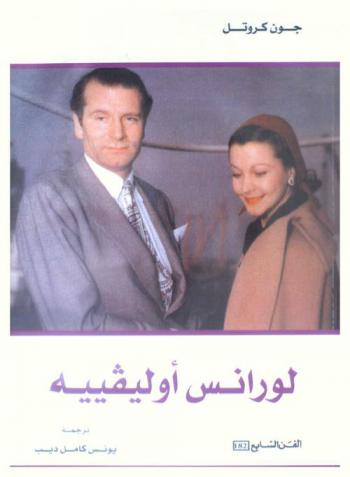
لورانس أوليفيه /
يكرس الباحث (جون كوتريل) هذا الكتاب لرصد إبداع أحد أبرز ممثلي القرن العشرين حيث يتناول المؤلف تطور (لورانس أوليفييه) الذي ولد عام 1907 بتفصيل من الناحية الدرامية والذي لا يشهد على كمال مهاراته الفنية فقط وإنما على تشكل عقيدته الإبداعية التي تؤكد على قناعة الفنان بدور المسرح الخلاق والنشط في التجديد.
BOOK

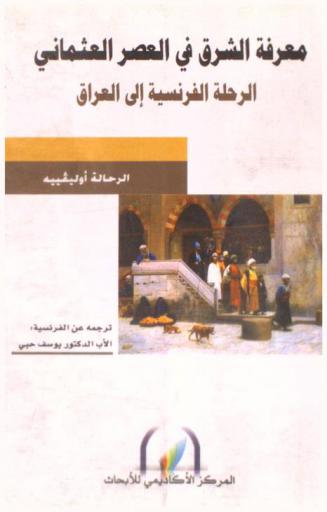
معرفة الشرق في العصر العثماني : الرحلة الفرنسية إلى العراق
ينتمي كتاب معرفة الشرق العثماني / الرحلة الفرنسية الى العراق الى صنف النصوص الرحلية غير النمطية او التقليدية لطبيعة الظرف والسياق التاريخي الذي انبثقت من مخاضاته هذه الرحلة ذات الطبقات المتراكمة، فهي من جهة تكشف عن بدايات التوجه الأوربي / الفرنسي إلى الشرق بعد الانعطافة العظمى للثورة الفرنسية التي دفعت باتجاه الاستيعاب العلمي والمهني للشرق ابان تفكك عرا الامبراطورية العثمانية، مما أعطى هذه الرحلة اهمية مضاعفة كون صاحبها مختص بالعلوم الصرفة والطب فلم يختص كما جرت العادة بالرحالة بأرشفة الوقائع الاجتماعية والسياسية والدينية وإنما قدم توصيفا بانوراميا عن الأوضاع الصحية والأمراض والأوبئة والموارد الطبيعية والمتغيرات البيئية وعالم الحيوان مما جعل الرحلة مصدرا هاما للتاريخ الطبيعي والبيئي والاقتصادي للشرق والعراق في عصر المرحلة الاخيرة من عمر الدولة العثمانية.
BOOK

Editors’ note
[...]this value represents a 24% increase relative to the total number of new submissions received in the previous 24 months. [...]the 3rd ConsultAccount award for the best paper presented by a PhD student – we are deeply indebt to ConsultAccount and Pedro Brinca for their continuing support – was won by Válter Nóbrega. Special topic: time and country trends in PEJ with gender analysis for Portugal From its inception, PEJ made it clear that the “geographical reference in the name of the journal means only that the journal is an initiative of Portuguese scholars.” [...]we thought it was time to descriptively analyse the geographic and temporal evolution of submissions to PEJ.
Journal Article