
Catalogue Search | MBRL


Are you sure you want to remove the book from the shelf?

{{itemTitle}}
85,335
result(s) for
"outcomes assessment"
Sort by:

Medical nihilism
This book defends medical nihilism, which is the view that we should have little confidence in the effectiveness of medical interventions. If we consider the frequency of failed medical interventions, the extent of misleading evidence in medical research, the thin theoretical basis of many interventions, and the malleability of empirical methods in medicine, and if we employ our best inductive framework, then our confidence in the effectiveness of medical interventions ought to be low. Part I articulates theoretical and conceptual groundwork, which offers a defense of a hybrid theory of disease, which forms the basis of a novel account of effectiveness, and this is applied to pharmacological science and to issues such as medicalization. Part II critically examines details of medical research. Even the very best methods in medical research, such as randomized trials and meta-analyses, are malleable and suffer from various biases. Methods of measuring the effectiveness of medical interventions systematically overestimate benefits and underestimate harms. Part III summarizes the arguments for medical nihilism and what this position entails for medical research and practice. To evaluate medical nihilism with care, the argument is stated in formal terms. Medical nihilism suggests that medical research must be modified, that clinical practice should be less aggressive in its therapeutic approaches, and that regulatory standards should be enhanced.
eBook
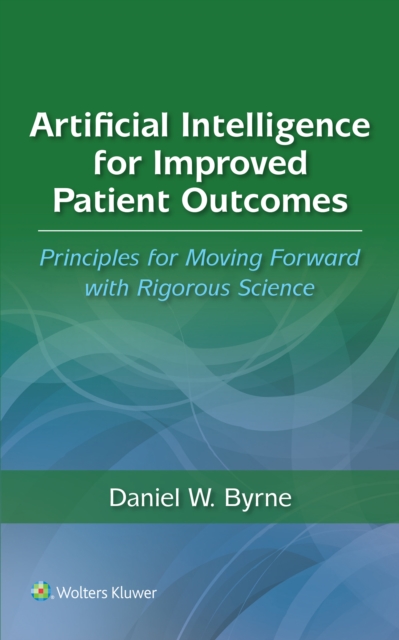
Artificial Intelligence for Improved Patient Outcomes
Artificial Intelligence for Improved Patient Outcomes provides new, relevant, and practical information on what AI can do in healthcare and how to assess whether AI is improving health outcomes. With clear insights and a balanced approach, this innovative book offers a one-stop guide on how to design and lead pragmatic real-world AI studies that yield rigorous scientific evidence-all in a manner that is safe and ethical. Daniel Byrne, Director of Artificial Intelligence Research at AVAIL (the Advanced Vanderbilt Artificial Intelligence Laboratory) and author of landmark pragmatic studies published in leading medical journals, shares four decades of experience as a biostatistician and AI researcher. Building on his first book, Publishing Your Medical Research, the author gives the reader the competitive advantage in creating reproducible AI research that will be accepted in prestigious high-impact medical journals.
eBook

Global, regional, and national burden of suicide mortality 1990 to 2016: systematic analysis for the Global Burden of Disease Study 2016
AbstractObjectivesTo use the estimates from the Global Burden of Disease Study 2016 to describe patterns of suicide mortality globally, regionally, and for 195 countries and territories by age, sex, and Socio-demographic index, and to describe temporal trends between 1990 and 2016.DesignSystematic analysis.Main outcome measuresCrude and age standardised rates from suicide mortality and years of life lost were compared across regions and countries, and by age, sex, and Socio-demographic index (a composite measure of fertility, income, and education).ResultsThe total number of deaths from suicide increased by 6.7% (95% uncertainty interval 0.4% to 15.6%) globally over the 27 year study period to 817 000 (762 000 to 884 000) deaths in 2016. However, the age standardised mortality rate for suicide decreased by 32.7% (27.2% to 36.6%) worldwide between 1990 and 2016, similar to the decline in the global age standardised mortality rate of 30.6%. Suicide was the leading cause of age standardised years of life lost in the Global Burden of Disease region of high income Asia Pacific and was among the top 10 leading causes in eastern Europe, central Europe, western Europe, central Asia, Australasia, southern Latin America, and high income North America. Rates for men were higher than for women across regions, countries, and age groups, except for the 15 to 19 age group. There was variation in the female to male ratio, with higher ratios at lower levels of Socio-demographic index. Women experienced greater decreases in mortality rates (49.0%, 95% uncertainty interval 42.6% to 54.6%) than men (23.8%, 15.6% to 32.7%).ConclusionsAge standardised mortality rates for suicide have greatly reduced since 1990, but suicide remains an important contributor to mortality worldwide. Suicide mortality was variable across locations, between sexes, and between age groups. Suicide prevention strategies can be targeted towards vulnerable populations if they are informed by variations in mortality rates.
Journal Article

ISOQOL recommends minimum standards for patient-reported outcome measures used in patient-centered outcomes and comparative effectiveness research
Purpose An essential aspect of patient-centered outcomes research (PCOR) and comparative effectiveness research (CER) is the integration of patient perspectives and experiences with clinical data to evaluate interventions. Thus, PCOR and CER require capturing patient-reported outcome (PRO) data appropriately to inform research, healthcare delivery, and policy. This initiative’s goal was to identify minimum standards for the design and selection of a PRO measure for use in PCOR and CER. Methods We performed a literature review to find existing guidelines for the selection of PRO measures. We also conducted an online survey of the International Society for Quality of Life Research (ISOQOL) membership to solicit input on PRO standards. A standard was designated as “recommended” when >50 % respondents endorsed it as “required as a minimum standard.” Results The literature review identified 387 articles. Survey response rate was 120 of 506 ISOQOL members. The respondents had an average of 15 years experience in PRO research, and 89 % felt competent or very competent providing feedback. Final recommendations for PRO measure standards included: documentation of the conceptual and measurement model; evidence for reliability, validity (content validity, construct validity, responsiveness); interpretability of scores; quality translation, and acceptable patient and investigator burden. Conclusion The development of these minimum measurement standards is intended to promote the appropriate use of PRO measures to inform PCOR and CER, which in turn can improve the effectiveness and efficiency of healthcare delivery. A next step is to expand these minimum standards to identify best practices for selecting decision-relevant PRO measures.
Journal Article

Individualised nutritional support in medical inpatients at nutritional risk: a randomised clinical trial
Guidelines recommend the use of nutritional support during hospital stays for medical patients (patients not critically ill and not undergoing surgical procedures) at risk of malnutrition. However, the supporting evidence for this recommendation is insufficient, and there is growing concern about the possible negative effects of nutritional therapy during acute illness on recovery and clinical outcomes. Our aim was thus to test the hypothesis that protocol-guided individualised nutritional support to reach protein and caloric goals reduces the risk of adverse clinical outcomes in medical inpatients at nutritional risk.
The Effect of early nutritional support on Frailty, Functional Outcomes, and Recovery of malnourished medical inpatients Trial (EFFORT) is a pragmatic, investigator-initiated, open-label, multicentre study. We recruited medical patients at nutritional risk (nutritional risk screening 2002 [NRS 2002] score ≥3 points) and with an expected length of hospital stay of more than 4 days from eight Swiss hospitals. These participants were randomly assigned (1:1) to receive either protocol-guided individualised nutritional support to reach protein and caloric goals (intervention group) or standard hospital food (control group). Randomisation was done with variable block sizes and stratification according to study site and severity of malnutrition using an interactive web-response system. In the intervention group, individualised nutritional support goals were defined by specialist dietitians and nutritional support was initiated no later than 48 h after admission. Patients in the control group received no dietary consultation. The composite primary endpoint was any adverse clinical outcome defined as all-cause mortality, admission to intensive care, non-elective hospital readmission, major complications, and decline in functional status at 30 days, and it was measured in all randomised patients who completed the trial. This trial is registered with ClinicalTrials.gov, number NCT02517476.
5015 patients were screened, and 2088 were recruited and monitored between April 1, 2014, and Feb 28, 2018. 1050 patients were assigned to the intervention group and 1038 to the control group. 60 patients withdrew consent during the course of the trial (35 in the intervention group and 25 in the control group). During the hospital stay, caloric goals were reached in 800 (79%) and protein goals in 770 (76%) of 1015 patients in the intervention group. By 30 days, 232 (23%) patients in the intervention group experienced an adverse clinical outcome, compared with 272 (27%) of 1013 patients in the control group (adjusted odds ratio [OR] 0·79 [95% CI 0·64–0·97], p=0·023). By day 30, 73 [7%] patients had died in the intervention group compared with 100 [10%] patients in the control group (adjusted OR 0·65 [0·47–0·91], p=0·011). There was no difference in the proportion of patients who experienced side-effects from nutritional support between the intervention and the control group (162 [16%] vs 145 [14%], adjusted OR 1·16 [0·90–1·51], p=0·26).
In medical inpatients at nutritional risk, the use of individualised nutritional support during the hospital stay improved important clinical outcomes, including survival, compared with standard hospital food. These findings strongly support the concept of systematically screening medical inpatients on hospital admission regarding nutritional risk, independent of their medical condition, followed by a nutritional assessment and introduction of individualised nutritional support in patients at risk.
The Swiss National Science Foundation and the Research Council of the Kantonsspital Aarau, Switzerland.
Journal Article

Neoadjuvant chemoradiotherapy plus surgery versus active surveillance for oesophageal cancer: a stepped-wedge cluster randomised trial
Background
Neoadjuvant chemoradiotherapy (nCRT) plus surgery is a standard treatment for locally advanced oesophageal cancer. With this treatment, 29% of patients have a pathologically complete response in the resection specimen. This provides the rationale for investigating an active surveillance approach. The aim of this study is to assess the (cost-)effectiveness of active surveillance vs. standard oesophagectomy after nCRT for oesophageal cancer.
Methods
This is a phase-III multi-centre, stepped-wedge cluster randomised controlled trial. A total of 300 patients with clinically complete response (cCR, i.e. no local or disseminated disease proven by histology) after nCRT will be randomised to show non-inferiority of active surveillance to standard oesophagectomy (non-inferiority margin 15%, intra-correlation coefficient 0.02, power 80%, 2-sided α 0.05, 12% drop-out). Patients will undergo a first clinical response evaluation (CRE-I) 4–6 weeks after nCRT, consisting of endoscopy with bite-on-bite biopsies of the primary tumour site and other suspected lesions. Clinically complete responders will undergo a second CRE (CRE-II), 6–8 weeks after CRE-I. CRE-II will include 18F–FDG-PET-CT, followed by endoscopy with bite-on-bite biopsies and ultra-endosonography plus fine needle aspiration of suspected lymph nodes and/or PET- positive lesions. Patients with cCR at CRE-II will be assigned to oesophagectomy (first phase) or active surveillance (second phase of the study). The duration of the first phase is determined randomly over the 12 centres, i.e., stepped-wedge cluster design. Patients in the active surveillance arm will undergo diagnostic evaluations similar to CRE-II at 6/9/12/16/20/24/30/36/48 and 60 months after nCRT. In this arm, oesophagectomy will be offered only to patients in whom locoregional regrowth is highly suspected or proven, without distant dissemination. The main study parameter is overall survival; secondary endpoints include percentage of patients who do not undergo surgery, quality of life, clinical irresectability (cT4b) rate, radical resection rate, postoperative complications, progression-free survival, distant dissemination rate, and cost-effectiveness. We hypothesise that active surveillance leads to non-inferior survival, improved quality of life and a reduction in costs, compared to standard oesophagectomy.
Discussion
If active surveillance and surgery as needed after nCRT leads to non-inferior survival compared to standard oesophagectomy, this organ-sparing approach can be implemented as a standard of care.
Journal Article

Appropriate statistical methods for analysing partially nested randomised controlled trials with continuous outcomes: a simulation study
Background
In individually randomised trials we might expect interventions delivered in groups or by care providers to result in clustering of outcomes for participants treated in the same group or by the same care provider. In partially nested randomised controlled trials (pnRCTs) this clustering only occurs in one trial arm, commonly the intervention arm. It is important to measure and account for between-cluster variability in trial design and analysis. We compare analysis approaches for pnRCTs with continuous outcomes, investigating the impact on statistical inference of cluster sizes, coding of the non-clustered arm, intracluster correlation coefficient (ICCs), and differential variance between intervention and control arm, and provide recommendations for analysis.
Methods
We performed a simulation study assessing the performance of six analysis approaches for a two-arm pnRCT with a continuous outcome. These include: linear regression model; fully clustered mixed-effects model with singleton clusters in control arm; fully clustered mixed-effects model with one large cluster in control arm; fully clustered mixed-effects model with pseudo clusters in control arm; partially nested homoscedastic mixed effects model, and partially nested heteroscedastic mixed effects model. We varied the cluster size, number of clusters, ICC, and individual variance between the two trial arms.
Results
All models provided unbiased intervention effect estimates. In the partially nested mixed-effects models, methods for classifying the non-clustered control arm had negligible impact. Failure to account for even small ICCs resulted in inflated Type I error rates and over-coverage of confidence intervals. Fully clustered mixed effects models provided poor control of the Type I error rates and biased ICC estimates. The heteroscedastic partially nested mixed-effects model maintained relatively good control of Type I error rates, unbiased ICC estimation, and did not noticeably reduce power even with homoscedastic individual variances across arms.
Conclusions
In general, we recommend the use of a heteroscedastic partially nested mixed-effects model, which models the clustering in only one arm, for continuous outcomes similar to those generated under the scenarios of our simulations study. However, with few clusters (3–6), small cluster sizes (5–10), and small ICC (≤0.05) this model underestimates Type I error rates and there is no optimal model.
Journal Article

Core Outcome Set–STAndards for Reporting: The COS-STAR Statement
Core outcome sets (COS) can enhance the relevance of research by ensuring that outcomes of importance to health service users and other people making choices about health care in a particular topic area are measured routinely. Over 200 COS to date have been developed, but the clarity of these reports is suboptimal. COS studies will not achieve their goal if reports of COS are not complete and transparent.
In recognition of these issues, an international group that included experienced COS developers, methodologists, journal editors, potential users of COS (clinical trialists, systematic reviewers, and clinical guideline developers), and patient representatives developed the Core Outcome Set-STAndards for Reporting (COS-STAR) Statement as a reporting guideline for COS studies. The developmental process consisted of an initial reporting item generation stage and a two-round Delphi survey involving nearly 200 participants representing key stakeholder groups, followed by a consensus meeting. The COS-STAR Statement consists of a checklist of 18 items considered essential for transparent and complete reporting in all COS studies. The checklist items focus on the introduction, methods, results, and discussion section of a manuscript describing the development of a particular COS. A limitation of the COS-STAR Statement is that it was developed without representative views of low- and middle-income countries. COS have equal relevance to studies conducted in these areas, and, subsequently, this guideline may need to evolve over time to encompass any additional challenges from developing COS in these areas.
With many ongoing COS studies underway, the COS-STAR Statement should be a helpful resource to improve the reporting of COS studies for the benefit of all COS users.
Journal Article
Outcome risk model development for heterogeneity of treatment effect analyses: a comparison of non-parametric machine learning methods and semi-parametric statistical methods
Background
In randomized clinical trials, treatment effects may vary, and this possibility is referred to as heterogeneity of treatment effect (HTE). One way to quantify HTE is to partition participants into subgroups based on individual’s risk of experiencing an outcome, then measuring treatment effect by subgroup. Given the limited availability of externally validated outcome risk prediction models, internal models (created using the same dataset in which heterogeneity of treatment analyses also will be performed) are commonly developed for subgroup identification. We aim to compare different methods for generating internally developed outcome risk prediction models for subject partitioning in HTE analysis.
Methods
Three approaches were selected for generating subgroups for the 2,441 participants from the United States enrolled in the ASPirin in Reducing Events in the Elderly (ASPREE) randomized controlled trial. An extant proportional hazards-based outcomes predictive risk model developed on the overall ASPREE cohort of 19,114 participants was identified and was used to partition United States’ participants by risk of experiencing a composite outcome of death, dementia, or persistent physical disability. Next, two supervised non-parametric machine learning outcome classifiers, decision trees and random forests, were used to develop multivariable risk prediction models and partition participants into subgroups with varied risks of experiencing the composite outcome. Then, we assessed how the partitioning from the proportional hazard model compared to those generated by the machine learning models in an HTE analysis of the 5-year absolute risk reduction (ARR) and hazard ratio for aspirin vs. placebo in each subgroup. Cochran’s Q test was used to detect if ARR varied significantly by subgroup.
Results
The proportional hazard model was used to generate 5 subgroups using the quintiles of the estimated risk scores; the decision tree model was used to generate 6 subgroups (6 automatically determined tree leaves); and the random forest model was used to generate 5 subgroups using the quintiles of the prediction probability as risk scores. Using the semi-parametric proportional hazards model, the ARR at 5 years was 15.1% (95% CI 4.0–26.3%) for participants with the highest 20% of predicted risk. Using the random forest model, the ARR at 5 years was 13.7% (95% CI 3.1–24.4%) for participants with the highest 20% of predicted risk. The highest outcome risk group in the decision tree model also exhibited a risk reduction, but the confidence interval was wider (5-year ARR = 17.0%, 95% CI= -5.4–39.4%). Cochran’s Q test indicated ARR varied significantly only by subgroups created using the proportional hazards model. The hazard ratio for aspirin vs. placebo therapy did not significantly vary by subgroup in any of the models. The highest risk groups for the proportional hazards model and random forest model contained 230 participants each, while the highest risk group in the decision tree model contained 41 participants.
Conclusions
The choice of technique for internally developed models for outcome risk subgroups influences HTE analyses. The rationale for the use of a particular subgroup determination model in HTE analyses needs to be explicitly defined based on desired levels of explainability (with features importance), uncertainty of prediction, chances of overfitting, and assumptions regarding the underlying data structure. Replication of these analyses using data from other mid-size clinical trials may help to establish guidance for selecting an outcomes risk prediction modelling technique for HTE analyses.
Journal Article

Sustained efficacy of adjuvant immunotherapy with cytokine-induced killer cells for hepatocellular carcinoma: an extended 5-year follow-up
Our earlier multicenter randomized controlled trial showed that adjuvant immunotherapy with cytokine-induced killer (CIK) cells resulted in longer recurrence-free survival (RFS) and overall survival (OS) as well in patients who received curative treatment for hepatocellular carcinoma (HCC). In the present study, we determined if the efficacy of CIK cell therapy continued after end of repeated CIK cell injections. We performed a follow-up study of our preceding trial. We included 226 patients: 114 patients in the immunotherapy group (injection of 6.4 × 10⁹ CIK cells, 16 times during 60 weeks) and 112 patients in the control group (no treatment) after potentially curative treatment for HCC. In total, 162 patients (89 of the immunotherapy group and 73 of controls) underwent an extended follow-up for 60 months after randomization of the last patient. The primary endpoint was RFS, and secondary endpoints included OS. During follow-up time of median 68.5 months (interquartile range 45.0–82.2 months), the immunotherapy group continued to show a significantly lower risk of recurrence or death [hazard ratio (HR) 0.67; 95% confidence interval (CI) 0.48–0.94; P = 0.009 by one-sided log-rank test]. At 5 years, RFS rate was 44.8% in the immunotherapy group and 33.1% in the control group. The risk of all-cause death was also lower in the immunotherapy group compared to the control group (HR 0.33; 95% CI 0.15–0.76; P = 0.006). In patients who received curative treatment for HCC, the significant improvement in RFS and OS as a result of adjuvant CIK cell immunotherapy lasted over 5 years without boosting.
Journal Article