
Catalogue Search | MBRL


Are you sure you want to remove the book from the shelf?

{{itemTitle}}
1,194,939
result(s) for
"pharmacology"
Sort by:
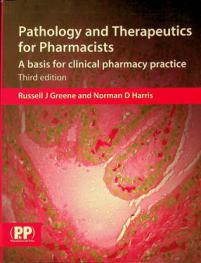
Pathology and therapeutics for pharmacists : a basis for clinical pharmacy practice
Aims to show the rationale and role of drug therapy in the management of some common diseases through a consideration of the mechanisms of disease processes in relation to normal function.
Book

An Insight into the Changes in Skin Texture and Properties following Dietary Intervention with a Nutricosmeceutical Containing a Blend of Collagen Bioactive Peptides and Antioxidants
Background: Skin aging is a multifactorial phenomenon which causes alterations in skin physiological functions and, most visibly, phenotypic changes. In particular, during the aging process, hyaluronic acid, collagen, and elastin fibers undergo structural and functional changes. Aims: This study aimed to give an insight into the photo-protective benefits and efficacy of an oral liquid nutricosmeceutical containing collagen bioactive peptides and antioxidants to counteract the signs of aging. Methods: A double-blind, randomized, placebo-controlled clinical trial was conducted by an independent esthetic clinic on 120 healthy volunteer subjects for 90 days. Subjects were divided into 2 groups: 60 subjects consumed 1 bottle (50 mL) of the nutricosmeceutical daily and the other 60 consumed 1 bottle (50 mL) of the placebo. Outcome measures were related to skin elasticity (expressed as Young's elasticity modulus) and skin architecture (histological analysis). In addition, the subjects recruited in this study underwent observational assessments through self-assessment questionnaires. Results and Conclusions: Overall, we demonstrated a significant increase in skin elasticity (+7.5%), p ≤ 0.001 and an improvement in skin texture after daily oral consumption of the nutricosmeceutical. We also obtained a positive patient feedback through the self-assessment questionnaires. Taken together these results show that this nutricosmeceutical supplement may have photo-protective effects and help improve skin health.
Journal Article

Intermittent BRAF inhibition in advanced BRAF mutated melanoma results of a phase II randomized trial
Combination treatment with BRAF (BRAFi) plus MEK inhibitors (MEKi) has demonstrated survival benefit in patients with advanced melanoma harboring activating
BRAF
mutations. Previous preclinical studies suggested that an intermittent dosing of these drugs could delay the emergence of resistance. Contrary to expectations, the first published phase 2 randomized study comparing continuous versus intermittent schedule of dabrafenib (BRAFi) plus trametinib (MEKi) demonstrated a detrimental effect of the “on−off” schedule. Here we report confirmatory data from the Phase II randomized open-label clinical trial comparing the antitumoral activity of the standard schedule versus an intermittent combination of vemurafenib (BRAFi) plus cobimetinib (MEKi) in advanced BRAF mutant melanoma patients (NCT02583516). The trial did not meet its primary endpoint of progression free survival (PFS) improvement. Our results show that the antitumor activity of the experimental intermittent schedule of vemurafenib plus cobimetinib is not superior to the standard continuous schedule. Detection of
BRAF
mutation in cell free tumor DNA has prognostic value for survival and its dynamics has an excellent correlation with clinical response, but not with progression. NGS analysis demonstrated de novo mutations in resistant cases.
Whether intermittent strategies of delivering drugs can improve cancer patients survival is still unclear. Here, the authors reports the results of a randomized phase II clinical trial aimed to compare the efficacy and safety of two dosing regimens (continuous and intermittent) of vemurafenib and cobimetinib combination as first-line treatment of patients with unresectable or metastatic advanced melanoma with BRAFV600 mutation
Journal Article

Comparative Pharmacodynamics and Pharmacokinetics of Oral Direct Thrombin and Factor Xa Inhibitors in Development
For the past five decades, there has been little progress in the development of oral anticoagulants, with the choices being limited to the vitamin K antagonists (VKAs). The situation is changing with the development of orally active small molecules that directly target thrombin or activated factor X (FXa). The two agents in the most advanced stages of development are dabigatran etexilate and rivaroxaban, which inhibit thrombin and FXa, respectively. Both are approved in the EU and Canada for venous thromboprophylaxis in patients undergoing elective hip- or knee-replacement surgery. Other agents in the early stages of development include several FXa inhibitors (apixaban, DU 176b, LY 517717, YM 150, betrixaban, eribaxaban [PD 0348292] and TAK 442) and one thrombin inhibitor (AZD 0837). With a predictable anticoagulant response and low potential for drug-drug interactions, these new agents can be given in fixed doses without coagulation monitoring. This renders them more convenient than VKAs. While the anticoagulant effect of the new thrombin and FXa inhibitors is similar, differences in the pharmacokinetic and pharmacodynamic parameters may influence their use in clinical practice. Here, we compare the pharmacokinetic and pharmacodynamic features of these new oral agents.
Journal Article

Efficacy, safety, and tolerability of dolutegravir-rilpivirine for the maintenance of virological suppression in adults with HIV-1: phase 3, randomised, non-inferiority SWORD-1 and SWORD-2 studies
Lifelong HIV antiretroviral therapy (ART) has prompted an interest in two-drug regimens to minimise cumulative drug exposure and toxicities. The safety, tolerability, and efficacy of dolutegravir and rilpivirine suggest potential compatibility and effectiveness as a two-drug regimen. We aimed to investigate this two-drug regimen in a phase 3 study.
We identically designed SWORD-1 and SWORD-2, which were open-label, parallel-group, multicentre, phase 3, randomised, non-inferiority studies in 12 countries evaluating efficacy and safety of once-daily dolutegravir 50 mg plus rilpivirine 25 mg versus current ART regimen (CAR). We included participants aged 18 years or older who were on first or second ART with stable plasma HIV-1 RNA (viral load <50 copies per mL) for 6 months or longer at screening. We randomly assigned participants (1:1) with stratification by third-agent class, age, and planned participation in a bone mineral density substudy. The primary endpoint was proportion of participants with viral load lower than 50 copies per mL at week 48 among those individuals who received one or more doses of study medication. Investigators monitored adverse events to assess safety. These trials are registered with ClinicalTrials.gov, numbers NCT02429791 (SWORD-1) and NCT02422797 (SWORD-2).
We screened for participants from April 14, 2015, to Oct 15, 2015, for SWORD-1 and from April 21, 2015, to Sept 25, 2015, for SWORD-2. We randomly assigned 516 participants to dolutegravir-rilpivirine and 512 to continue with CAR. At week 48 (last patient visit was Nov 22, 2016), in the pooled analysis of the intention-to-treat population, 95% of participants had viral loads lower than 50 copies per mL in each group (486 of 513 in the dolutegravir-rilpivirine group vs 485 of 511 in the CAR group), with an adjusted treatment difference of −0·2% (95% CI −3·0 to 2·5) and showed non-inferiority with a predefined margin of −8%. 395 (77%) of 513 participants in the dolutegravir-rilpivirine group and 364 (71%) of 511 participants in the CAR group reported adverse events. The most common adverse events were nasopharyngitis (49 [10%] for dolutegravir-rilpivirine vs 50 [10%] for CAR) and headache (41 [8%] vs 23 [5%]). More participants taking dolutegravir-rilpivirine (17 [3%]) reported adverse events leading to withdrawal than did participants taking CAR (three [<1%]).
Dolutegravir-rilpivirine was non-inferior to CAR over 48 weeks in participants with HIV suppression and showed a safety profile consistent with its components. Results support the use of this two-drug regimen to maintain HIV suppression.
ViiV Healthcare and Janssen Pharmaceutica NV.
Journal Article


Important Flavonoids and Their Role as a Therapeutic Agent
Flavonoids are phytochemical compounds present in many plants, fruits, vegetables, and leaves, with potential applications in medicinal chemistry. Flavonoids possess a number of medicinal benefits, including anticancer, antioxidant, anti-inflammatory, and antiviral properties. They also have neuroprotective and cardio-protective effects. These biological activities depend upon the type of flavonoid, its (possible) mode of action, and its bioavailability. These cost-effective medicinal components have significant biological activities, and their effectiveness has been proved for a variety of diseases. The most recent work is focused on their isolation, synthesis of their analogs, and their effects on human health using a variety of techniques and animal models. Thousands of flavonoids have been successfully isolated, and this number increases steadily. We have therefore made an effort to summarize the isolated flavonoids with useful activities in order to gain a better understanding of their effects on human health.
Journal Article