
Catalogue Search | MBRL


Are you sure you want to remove the book from the shelf?

{{itemTitle}}
34
result(s) for
"queer lit"
Sort by:
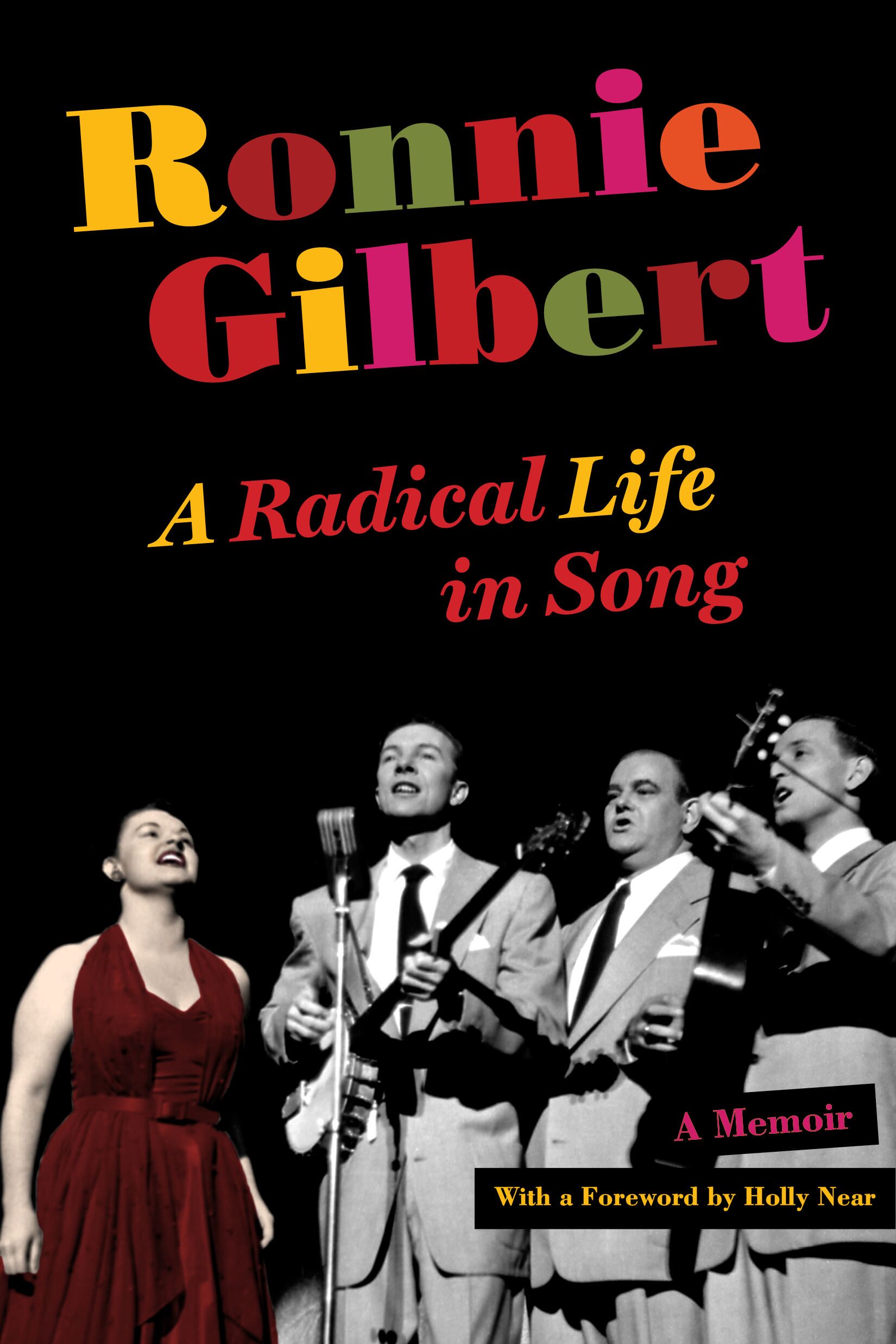
Ronnie Gilbert
Ronnie Gilbert had a long and colorful career as a singer, actor, playwright, therapist, and independent woman. Her lifelong work for political and social change was central to her role as a performer. Raised in Depression-era New York City by leftist, working-class, secular Jewish parents, Gilbert is best known as a member of the Weavers, the quartet of the 1950s and '60s that survived the blacklist and helped popularize folk music in America. Her joyous contralto and vibrant stage presence enriched the celebrated group and propelled Gilbert into a second singing career with Holly Near in the 1980s and '90s. As an actor, Gilbert explored developmental theater with Joseph Chaikin and Peter Brook and wrote and performed in ensemble and solo productions across the United States and Canada.Ronnie Gilbertbrings the political, artistic, and social issues of the era alive through song lyrics and personal stories, traversing sixty years of collaborations in life and art that span the folk revival, the Cold War blacklist, primal therapy, the back-to-the-land movement, and a rich, multigenerational family story. Much more than a memoir,Ronnie Gilbertis a unique and engaging historical document for readers interested in music, theater, American politics, the women's movement, and left-wing activism.
eBook

Turning Thirty
On the eve of his thirtieth birthday, the narrator recounts three neardeath experiences and his journey from Morocco to France. With nods toward Dostoevsky and Genet (echoing the Lazarus scene between Raskolnikov and Sonya inCrime and Punishment), he experiences a crisis of existential vertigo.
Journal Article
Taking Their Place: Queer Lit in the Twenty-first Century
For guest editor George Henson, it's been a long journey from readingThe Front Runnerin 1977 in Sapulpa, Oklahoma, to writing about queer lit for World Literature Today. But just as he has found his place here, the writers featured in this issue have taken their place alongside a long list of notable world authors.
Journal Article
Heartbreak Hotel
Checking into a hotel, a traveler's thoughts turn to poverty, race, and sexuality as he explores the past and present of Rio de Janeiro.
Journal Article

The term, Chick Lit
The term, Chick Lit begun in the 1990's is one the author had wish didn't exist but since it does, she wanted to examine why it irritates me so went back to the history of women's movements looking for insight. The feminist movement is grouped into three movements and my mother lived through the first and got to vote; the second from 1960's to 1980's is one she faced marriage and divorce; the third starting in the 1990's is the contemporary one in which she retired. Each movement has aspects which are impossible to cover briefly: the first mainly on voting and property rights; the second expanded into sexuality, family, working, reproduction, law. The third mostly moved on to queer theory, stereotyping, non-white women.
Journal Article

Querying Consent
Querying Consent examines the ways in which the concept of consent is used to map and regulate sexual desire, gender relationships, global positions, technological interfaces, relationships of production and consumption, and literary and artistic interactions. From philosophy to literature, psychoanalysis to the art world, the contributors to Querying Consent address the most uncomfortable questions about consent today. Grounded in theoretical explorations of the entanglement of consent and subjectivity across a range of textual, visual, multi- and digital media, Querying Consent considers the relationships between consent and agency before moving on to trace the concept's outcomes through a range of investigations of the mutual implication of personhood and self-ownership.
eBook