
Catalogue Search | MBRL


Are you sure you want to remove the book from the shelf?

{{itemTitle}}
9,003
result(s) for
"race and media"
Sort by:


Micro Media Industries
With the rise of digital tools used for media entrepreneurship, media outlets staffed by only one or two individuals and targeted to niche and super-niche audiences are developing across a wide range of platforms. Minority communities such as immigrants and refugees have long been pioneers in this space, operating ethnic media outlets with limited staff and funding to produce content that is relevant and accessible to their specific community. Micro Media Industries explores the specific case of Hmong American media, showing how an extremely small population can maintain a robust and thriving media ecology in spite of resource limitations and an inability to scale up. Based on six years of fieldwork in Hmong American communities in Wisconsin, Minnesota, and California, it analyzes the unique opportunities and challenges facing Hmong newspapers, radio, television, podcasts, YouTube, social media, and other emerging platforms. It argues that micro media industries, rather than being dismissed or trivialized, ought to be held up as models of media innovation that can counter the increasing power of mainstream media.
eBook

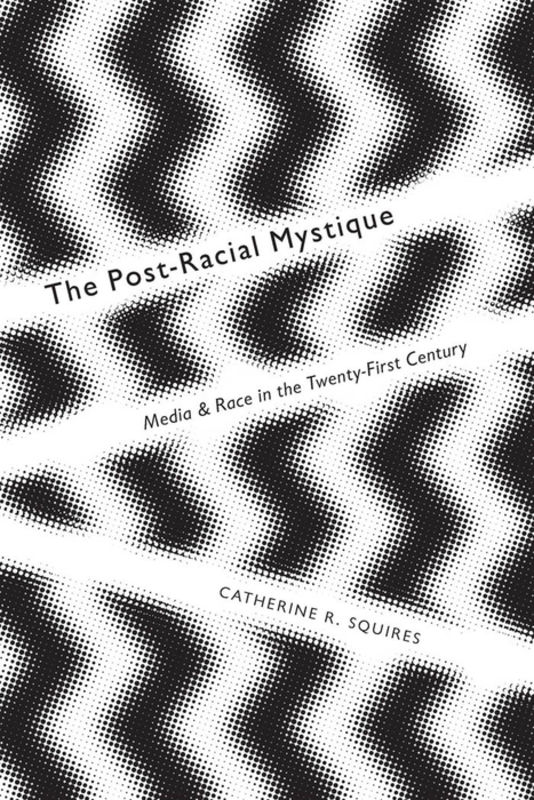
Postracial mystique : media and race in the 21st century
\"Despite claims from pundits and politicians that we now live in a post-racial America, people seem to keep finding ways to talk about race--from celebrations of the inauguration of the first Black president to resurgent debates about police profiling, race and racism remain salient features of our world. When faced with fervent anti-immigration sentiments, record incarceration rates of Blacks and Latinos, and deepening socio-economic disparities, a new question has erupted in the last decade: What does being post-racial mean?The Post-Racial Mystique explores how a variety of media--the news, network television, and online, independent media--debate, define and deploy the term \"post-racial\" in their representations of American politics and society. Using examples from both mainstream and niche media--from prime-time television series to specialty Christian media and audience interactions on social media--Catherine Squires draws upon a variety of disciplines including communication studies, sociology, political science, and cultural studies in order to understand emergent strategies for framing post-racial America. She reveals the ways in which media texts cast U.S. history, re-imagine interpersonal relationships, employ statistics, and inventively redeploy other identity categories in a quest to formulate different ways of responding to race\"-- Provided by publisher.
Book

The Post-Racial Mystique
Despite claims from pundits and politicians that we now live in a post-racial America, people seem to keep finding ways to talk about race - from celebrations of the inauguration of the firstBlackpresident to resurgent debates about police profiling, race and racism remain salient features of our world. When faced with fervent anti-immigration sentiments, record incarceration rates of Blacks and Latinos, and deepening socio-economic disparities, a new question has erupted in the last decade: What does being post-racial mean?The Post-Racial Mystiqueexplores how a variety of media - the news, network television, and online, independent media - debate, define and deploy the term post-racial in their representations of American politics and society. Using examples from both mainstream and niche media - from prime-time television series to specialty Christian media and audience interactions on social media - Catherine Squires draws upon a variety of disciplines including communication studies, sociology, political science, and cultural studies in order to understand emergent strategies for framing post-racial America. She reveals the ways in which media texts cast U.S. history, re-imagine interpersonal relationships, employ statistics, and inventively redeploy other identity categories in a quest to formulate different ways of responding to race.
eBook


Postracial Mystique
Despite claims from pundits and politicians that we now live in a post-racial America, people seem to keep finding ways to talk about race—from celebrations of the inauguration of the first Black president to resurgent debates about police profiling, race and racism remain salient features of our world. When faced with fervent anti-immigration sentiments, record incarceration rates of Blacks and Latinos, and deepening socio-economic disparities, a new question has erupted in the last decade: What does being post-racial mean?
The Post-Racial Mystique explores how a variety of media—the news, network television, and online, independent media—debate, define and deploy the term “post-racial” in their representations of American politics and society. Using examples from both mainstream and niche media—from prime-time television series to specialty Christian media and audience interactions on social media—Catherine Squires draws upon a variety of disciplines including communication studies, sociology, political science, and cultural studies in order to understand emergent strategies for framing post-racial America. She reveals the ways in which media texts cast U.S. history, re-imagine interpersonal relationships, employ statistics, and inventively redeploy other identity categories in a quest to formulate different ways of responding to race.
eBook

Networked news, racial divides : how power and privilege shape public discourse in progressive communities
Against conventional wisdom, pervasive black-white disparities pair with vitriolic public conversation in politically progressive communities throughout America. Networked News, Racial Divides examines obstacles to public dialogues about racial inequality and opportunities for better discourse in mid-sized, liberal cities. The book narrates the challenges faced when talking about race through a series of stories about each community struggling with K-12 education achievement gaps. Media expert Sue Robinson applies Bourdieusian field theory to understand media ecologies and analyze whose voices get heard and whose get left out. She explores how privilege shapes discourse and how identity politics can interfere with deliberation. Drawing on network analysis of community dialogues, interviews with journalists, politicians, activists, and citizens and deep case study of five cities, this reflexive and occasionally narrative book chronicles the institutional, cultural and other problematic realities to amplifying voices of all people while also recommending strategies to move forward and build trust.
Book

How racism and sexism killed traditional media : why the future of journalism depends on women and people of color
\"An evaluative examination that challenges the media to rise above the systematic racism and sexism that persists across all channels, despite efforts to integrate\"-- Provided by publisher.
Book

Hollywood at the Intersection of Race and Identity
Hollywood at the Intersection of Race and Identity explores the ways Hollywood represents race, gender, class, and nationality at the intersection of aesthetics and ideology and its productive tensions.
eBook