
Catalogue Search | MBRL


Are you sure you want to remove the book from the shelf?

{{itemTitle}}
28,934
result(s) for
"restoration ecology"
Sort by:


Restoring the Pitchfork Ranch
The Pitchfork Ranch is more than another dusty homestead tucked
away in a corner of the Southwest. It is a place with a story to
tell about the most pressing crisis to confront humankind. It is a
place where one couple is working every day to right decades of
wrongs. It is a place of inspiration and promise. It is an
invitation to join the struggle for a better planet. Restoring
the Pitchfork Ranch tells the story of a decades-long habitat
restoration project in southwestern New Mexico. A. Thomas Cole
explains what inspired him and his wife, Lucinda, to turn their
retirement into years dedicated to hard work and renewal. The book
shares the past and present history of a very special ranch south
of Silver City, which is home to a rare type of regional wetland, a
fragile desert grassland ecosystem, archaeological sites, and a
critical wildlife corridor in a drought-stricken landscape. Today
the 11,300 acres that make up the Pitchfork Ranch provide an
important setting for carbon sequestration, wildlife habitats, and
space for the reintroduction of endangered or threatened species.
Restoring the Pitchfork Ranch weaves together stories of
mine strikers, cattle ranching, and the climate crisis into an
important and inspiring call to action. For anyone who has wondered
how they can help, the Pitchfork Ranch provides an inspiring way
forward.
eBook

Future Wild
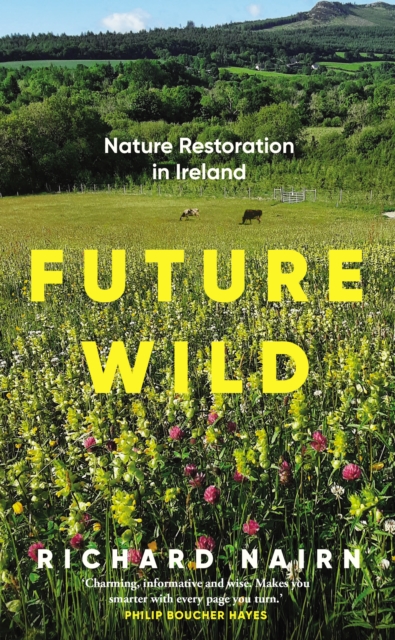
Ireland has little left of its original natural habitats. Many species, like the curlew, are under pressure due to intensive practices such as farming, forestry and fisheries and some are threatened with extinction. But given a little help from us, nature has the innate capacity to restore itself. Nature restoration is the positive management of the environment for the benefit of wildlife and people. It looks to the future, by steering natural habitats and wildlife in a better and more sustainable direction. In Future Wild: Nature Restoration in Ireland, Richard Nairn explores numerous active restoration projects around Ireland which show how natural habitats and native species can be restored sustainably for the benefit of everyone. From individual landowners and voluntary organisations to state bodies such as Bord na Móna, he meets the people who are dedicated to nature restoration. By turns shocking, hopeful and finally positive, Future Wild shows that the damage we have done to nature can also be undone by us, and that, with nature restoration, we can create a richer and more diverse environment for generations to come.
eBook

The case for grassroots collaboration
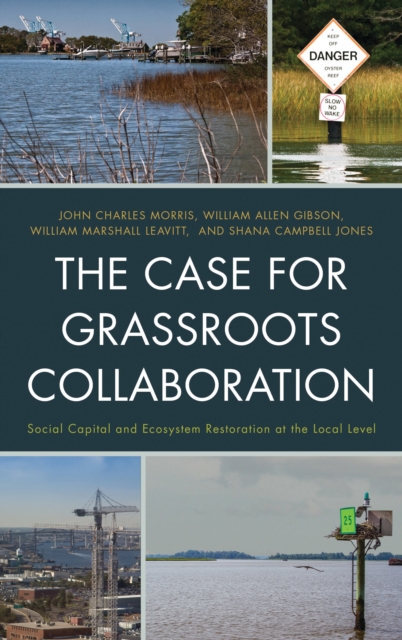
The nation's approach to managing environmental policy and protecting natural resources has shifted from the national government's top down, command and control, regulatory approach, used almost exclusively in the 1970s, to collaborative, multi-sector approaches used in recent decades to manage problems that are generally too complex, too.
eBook


Landsenses Ecology: A New Idea for Watershed Ecology Restoration
Watershed ecology restoration is the key to solving the ecological and environmental problems of watersheds and achieving sustainable development. As one direction of the frontiers of ecology, landsenses ecology is supported by science and technology and cares for humans. It has a great significance for enhancing the human habitat and achieving sustainable development. Combining landsenses ecology and the technical process of watershed ecology restoration allows the integration of people’s visions into the system of strategies and applied technologies for watershed ecology restoration while ensuring the restoration of the ecological functions of watersheds. It is a complement to the traditional ecosystem restoration model. This study establishes the connection between landsenses ecology and watershed ecology restoration in terms of goals, models and focus of attention. It aims to construct an indicator system of restoration with the application of landsenses ecology, form a complete process of ecological restoration with the integration of landsenses ecology and apply it to the ecological restoration of watershed elements with relatively intensive human activity such as urban green areas, buildings and wetlands (rivers and lakes). Rather than just always emphasizing natural ecology, landsenses ecology treats human beings as part of nature. It tries to establish a more comprehensive, humanized ideal restoration model by taking “human perceptions” into consideration. Through a restoration process based on long-term and continuous coordination, feedback and improvement, it can improve the ecological benefits of the watershed and improve residents’ well-being, so as to ultimately realize the establishment of a “community of life between man and nature”.
Journal Article


storied wilderness
The Apostle Islands are a solitary place of natural beauty, with red sandstone cliffs, secluded beaches, and a rich and unique forest surrounded by the cold, blue waters of Lake Superior. But this seemingly pristine wilderness has been shaped and reshaped by humans. The people who lived and worked in the Apostles built homes, cleared fields, and cut timber in the island forests. The consequences of human choices made more than a century ago can still be read in today s wild landscapes.
A Storied Wilderness traces the complex history of human interaction with the Apostle Islands. In the 1930s, resource extraction made it seem like the islands natural beauty had been lost forever. But as the island forests regenerated, the ways that people used and valued the islands changed - human and natural processes together led to the rewilding of the Apostles. In 1970, the Apostles were included in the national park system and ultimately designated as the Gaylord Nelson Wilderness.
How should we understand and value wild places with human pasts? James Feldman argues convincingly that such places provide the opportunity to rethink the human place in nature. The Apostle Islands are an ideal setting for telling the national story of how we came to equate human activity with the loss of wilderness characteristics, when in reality all of our cherished wild places are the products of the complicated interactions between human and natural history.
Watch the book trailer: https://www.youtube.com/watch?v=frECwkA6oHs
eBook