
Catalogue Search | MBRL


Are you sure you want to remove the book from the shelf?

{{itemTitle}}
12,794
result(s) for
"roman art"
Sort by:


Ornament and Figure in Graeco-Roman Art
How does 'decoration' work? What are the relations between 'figurative' and 'ornamental' modes? And how do such modern western distinctions relate to other critical traditions? While these questions have been much debated among art historians, our book offers an ancient visual cultural perspective. On the one hand, we argue, Greek and Roman materials have proved instrumental in shaping modern assumptions. On the other hand, those ideologies are fundamentally removed from ancient ideas: an ancient perspective can therefore shed light on larger aesthetic debates about what images are – or indeed what they should be. This anthology of specially commissioned essays explores a variety of case studies (both literary and art historical alike): it discusses materials from across the ancient Mediterranean, and from Geometric art all the way through to late antiquity; the book also tackles questions of 'figure' and 'ornament' in relation to different media – including painting, free-standing statues, relief sculpture, mosaics and architecture. A particular feature of the volume lies in bringing together different national academic traditions, building a bridge between formalist approaches and broader cultural historical perspectives.
eBook
Literary and Artistic Patronage in Ancient Rome
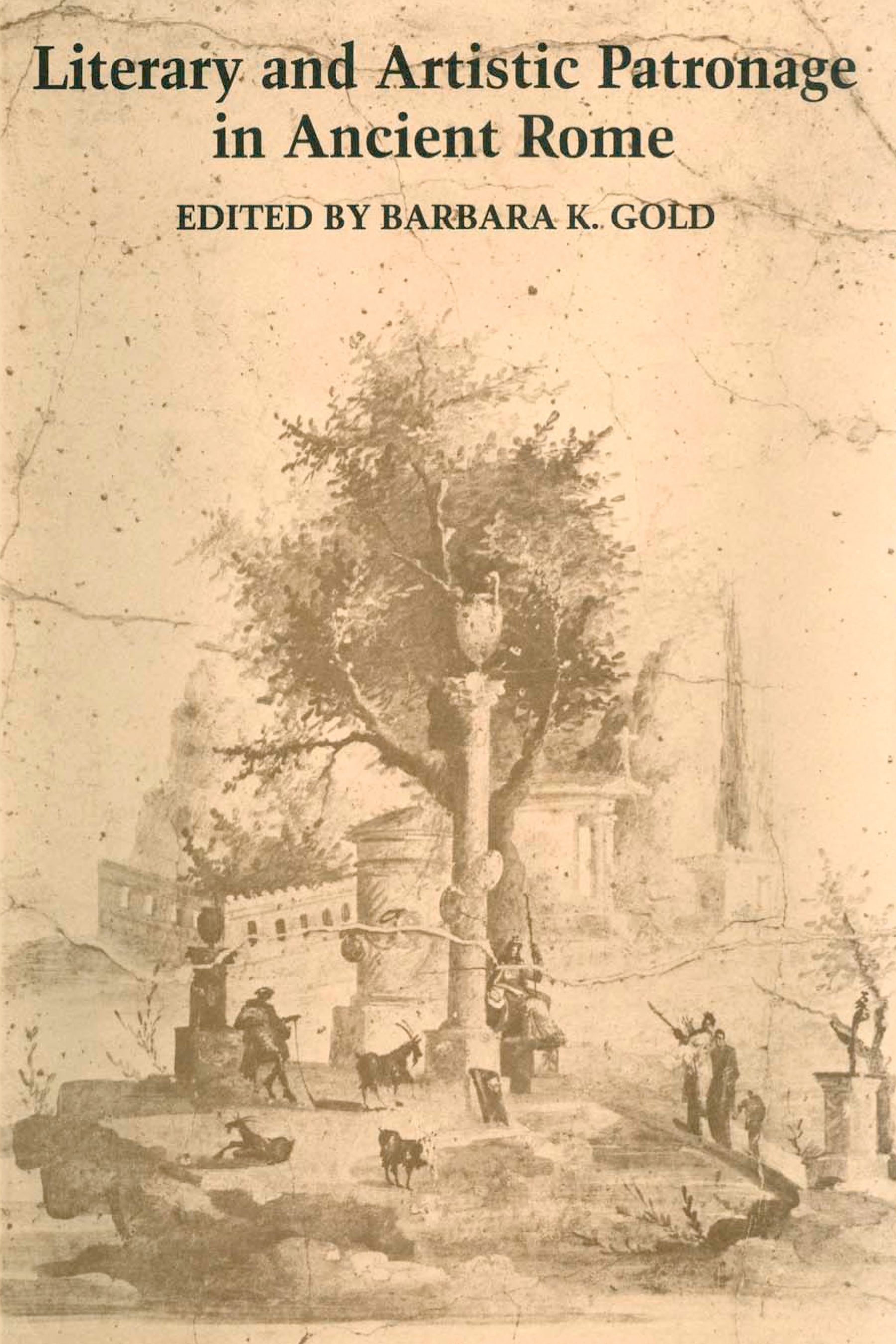
Virgil, Horace, Catullus, Propertius—these are just a few of the poets whose work we would be without today were it not for the wealthy and powerful patrons upon whose support the Roman cultural establishment so greatly depended. Who were these patrons? What benefits did they give, to whom, and why? What effect did the support of such men as Maecenas and Pompey have on the lives and work of those who looked to them for aid? These questions and others are addressed in this volume, which explores all the important aspects of patronage—a topic crucial to the study of literature and art from Homer to the present day. The subject is approached from various vantage points: literary, artistic, historical. The essayists reach conclusions that dispel the many misconceptions about Roman patronage derived from seventeenth- and eighteenth-century models in England and Europe. An understanding of the workings of patronage is indispensable in helping us see how the Roman cultural establishment functioned in the four centuries of its flourishing and also in helping us read and enjoy specific poems and works of art. A book for all concerned with classical literature, art, and social history, Literary and Artistic Patronage in Ancient Rome not only deepens our understanding of the ancient world but also suggests important avenues for future exploration.
eBook

Unbound from Rome : art and craft in a fluid landscape, ca. 650-250 BCE
Roman art and architecture is typically understood as being bound in some ways to a political event or as a series of aesthetic choices and experiences stemming from a centre in Rome itself. Moving beyond the misleading catchall label 'Roman', John North Hopkins aims to untangle the many peoples whose diverse cultures and traditions contributed to Rome's visual culture over a four-hundred-year time span across the first millennium BCE. Hopkins carefully reconsiders some of the period's most iconic works by way of the many practices and peoples bound up with them. Some of these include the extraordinary and complex effort to build the Temple of Jupiter; the creative actions and diverse encounters tied to luxury objects like the Ficoroni Cista; and the important meanings held by sacred temple sculpture and votive offerings through their making and subsequent practices of devotion.
BOOK
Byzantine Rome
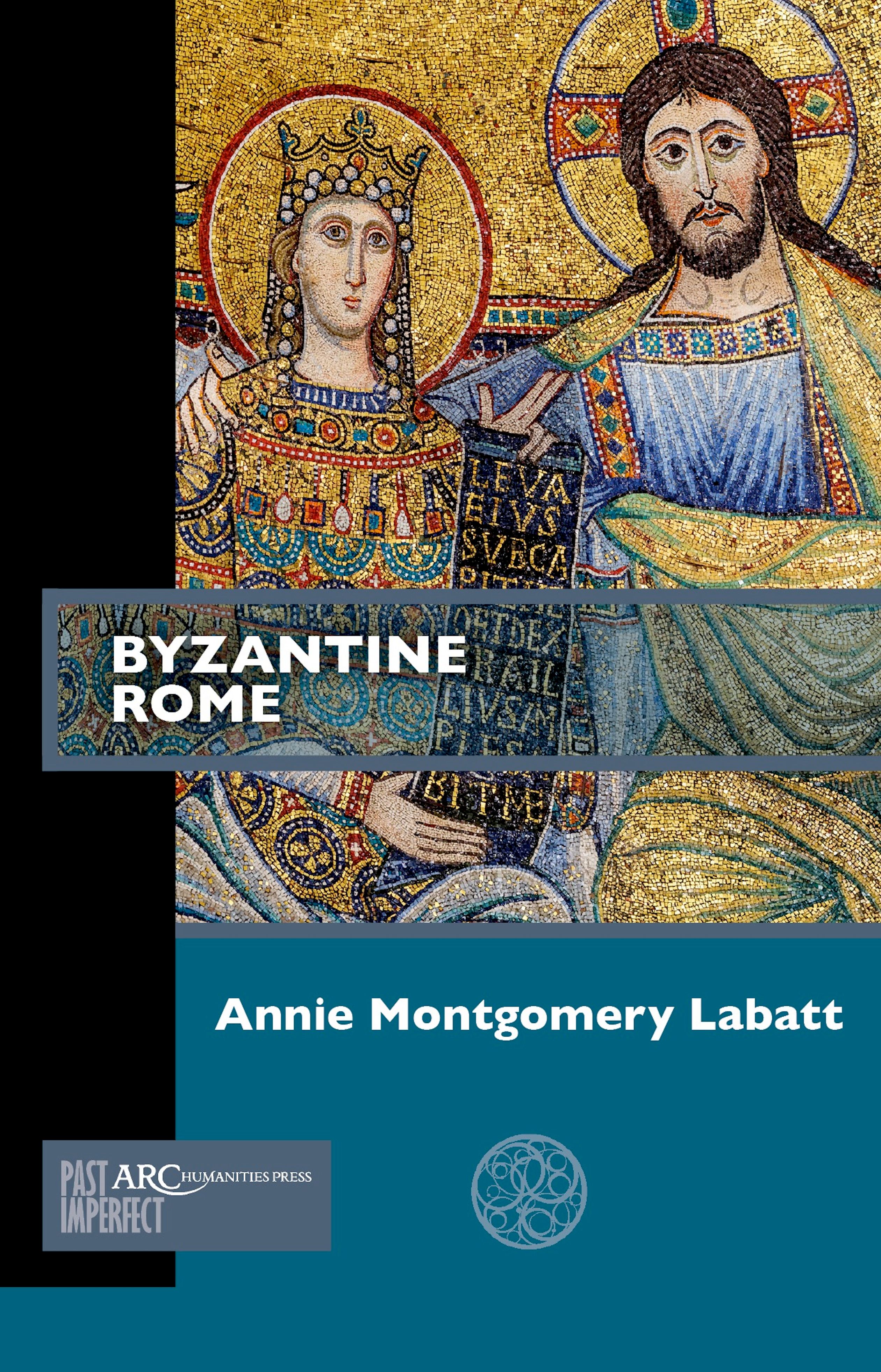
Why does medieval Rome look so, for lack of a better word, Byzantine? Why do its monuments speak an aesthetic of the medieval East? And just how do we quantify that Byzantine aesthetic or even the word “Byzantine”? This book seeks to consider the ways in which the artistic styles and iconographies generally associated with the eastern medieval tradition had a life in the West and, in many cases, were just as western as they were eastern. Rome’s medieval monuments are a fundamental part of the history of the East, a history that says more about a cross- cultural exchange and interconnected “Romes” than difference and separation. Each chapter follows the political and theological relationships between the East and the West chronologically, exploring the socio-political exchanges as they manifest in the visual language of the monuments that defined the medieval landscape of Rome.
eBook

Byzantine Rome
Why does medieval Rome look so, for lack of a better word, Byzantine? Why do its monuments speak an aesthetic of the medieval East? And just how do we quantify that Byzantine aesthetic or even the word \"Byzantine\"? This book seeks to consider the ways in which the artistic styles and iconographies generally associated with the eastern medieval tradition had a life in the West and, in many cases, were just as western as they were eastern. Rome's medieval monuments are a fundamental part of the history of the East, a history that says more about a cross- cultural exchange and interconnected \"Romes\" than difference and separation. Each chapter follows the political and theological relationships between the East and the West chronologically, exploring the socio-political exchanges as they manifest in the visual language of the monuments that defined the medieval landscape of Rome.
eBook

