
Catalogue Search | MBRL


Are you sure you want to remove the book from the shelf?

{{itemTitle}}
12,368
result(s) for
"vaccinia"
Sort by:

Safety and Immunogenicity of Modified Vaccinia Ankara in Hematopoietic Stem Cell Transplant Recipients: A Randomized, Controlled Trial
Background. Modified vaccinia Ankara (MVA-BN, IMVAMUNE) is emerging as a primary immunogen and as a delivery system to treat or prevent a wide range of diseases. Defining the safety and immunogenicity of MVA-BN in key populations is therefore important. Methods. We performed a dose-escalation study of MVA-BN administered subcutaneously in 2 doses, one on day 0 and another on day 28. Twenty-four hematopoietic stem cell transplant recipients were enrolled sequentially into the study, and vaccine or placebo was administered under a randomized, double-blind allocation. Ten subjects received vaccine containing 10 7 median tissue culture infective doses (TCID 50 ) of MVA-BN, 10 subjects received vaccine containing 10 8 TCID 50 of MVA-BN, and 4 subjects received placebo. Results. MVA-BN was generally well tolerated at both doses. No vaccine-related serious adverse events were identified. Transient local reactogenicity was more frequently seen at the higher dose. Neutralizing antibodies (NAb) to Vaccinia virus (VACV) were elicited by both doses of MVA-BN and were greater for the higher dose. Median peak anti-VACV NAb titers were 1:49 in the lower-dose group and 1:118 in the higher-dose group. T-cell immune responses to VACV were detected by an interferon γ enzyme-linked immunosorbent spot assay and were higher in the higher-dose group. Conclusions. MVA-BN is safe, well tolerated, and immunogenic in HSCT recipients. These data support the use of 10 8 TCID 50 of MVA-BN in this population. Clinical Trials Registration. NCT00565929.
Journal Article
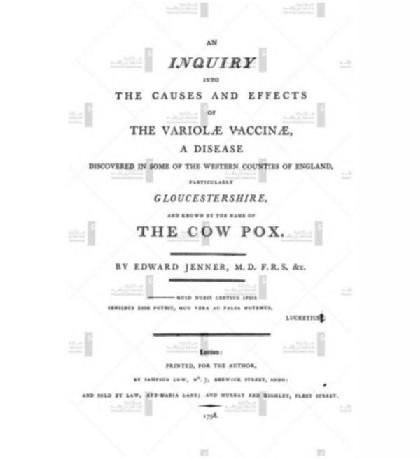

Geographic Distribution of Vaccinia Virus, Diagnosis and Demographic Aspects of Affected Populations, Minas Gerais, Brazil, 2000–2023
Since its first report in Brazil in 1999, outbreaks of exanthematous diseases caused by vaccinia virus (VACV) have been a recurring concern, particularly impacting rural regions. Minas Gerais (MG) State, Brazil, has emerged as the epicenter of bovine vaccinia (BV) outbreaks. This study presents a comprehensive overview of VACV circulation in MG State over the past two decades, examining the occurrence and distribution of poxvirus cases and outbreaks and the demographic characteristics of affected populations. Analysis of secondary databases from 2000 to 2023 revealed VACV circulation in at least 149 municipalities, particularly expanding in dairy regions. The study underscores BV as an occupational disease, predominantly affecting rural men involved in dairy cattle activities. Laboratory findings indicate high levels of anti-OPXV antibodies in most individuals, with some showing acute infections confirmed by qPCR testing. This analysis informs public health policies, emphasizing the need for enhanced surveillance of and preventive measures for dairy farming communities.
Journal Article

Modified Vaccinia Virus Ankara Triggers Type I IFN Production in Murine Conventional Dendritic Cells via a cGAS/STING-Mediated Cytosolic DNA-Sensing Pathway
Modified vaccinia virus Ankara (MVA) is an attenuated poxvirus that has been engineered as a vaccine against infectious agents and cancers. Our goal is to understand how MVA modulates innate immunity in dendritic cells (DCs), which can provide insights to vaccine design. In this study, using murine bone marrow-derived dendritic cells, we assessed type I interferon (IFN) gene induction and protein secretion in response to MVA infection. We report that MVA infection elicits the production of type I IFN in murine conventional dendritic cells (cDCs), but not in plasmacytoid dendritic cells (pDCs). Transcription factors IRF3 (IFN regulatory factor 3) and IRF7, and the positive feedback loop mediated by IFNAR1 (IFN alpha/beta receptor 1), are required for the induction. MVA induction of type I IFN is fully dependent on STING (stimulator of IFN genes) and the newly discovered cytosolic DNA sensor cGAS (cyclic guanosine monophosphate-adenosine monophosphate synthase). MVA infection of cDCs triggers phosphorylation of TBK1 (Tank-binding kinase 1) and IRF3, which is abolished in the absence of cGAS and STING. Furthermore, intravenous delivery of MVA induces type I IFN in wild-type mice, but not in mice lacking STING or IRF3. Treatment of cDCs with inhibitors of endosomal and lysosomal acidification or the lysosomal enzyme Cathepsin B attenuated MVA-induced type I IFN production, indicating that lysosomal enzymatic processing of virions is important for MVA sensing. Taken together, our results demonstrate a critical role of the cGAS/STING-mediated cytosolic DNA-sensing pathway for type I IFN induction in cDCs by MVA. We present evidence that vaccinia virulence factors E3 and N1 inhibit the activation of IRF3 and the induction of IFNB gene in MVA-infected cDCs.
Journal Article

Progressive Vaccinia Acquired through Zoonotic Transmission in a Patient with HIV/AIDS, Colombia
In March 2015, a patient in Colombia with HIV/AIDS was hospitalized for disseminated ulcers after milking cows that had vesicular lesions on their udders. Vaccinia virus was detected, and the case met criteria for progressive vaccinia acquired by zoonotic transmission. Adherence to an optimized antiretroviral regimen resulted in recovery.
Journal Article

Viral and metazoan poxins are cGAMP-specific nucleases that restrict cGAS–STING signalling
Cytosolic DNA triggers innate immune responses through the activation of cyclic GMP–AMP synthase (cGAS) and production of the cyclic dinucleotide second messenger 2′,3′-cyclic GMP–AMP (cGAMP)
1
–
4
. 2′,3′-cGAMP is a potent inducer of immune signalling; however, no intracellular nucleases are known to cleave 2′,3′-cGAMP and prevent the activation of the receptor stimulator of interferon genes (STING)
5
–
7
. Here we develop a biochemical screen to analyse 24 mammalian viruses, and identify poxvirus immune nucleases (poxins) as a family of 2′,3′-cGAMP-degrading enzymes. Poxins cleave 2′,3′-cGAMP to restrict STING-dependent signalling and deletion of the poxin gene (
B2R
) attenuates vaccinia virus replication in vivo. Crystal structures of vaccinia virus poxin in pre- and post-reactive states define the mechanism of selective 2′,3′-cGAMP degradation through metal-independent cleavage of the 3′–5′ bond, converting 2′,3′-cGAMP into linear Gp[2′–5′]Ap[3′]. Poxins are conserved in mammalian poxviruses. In addition, we identify functional poxin homologues in the genomes of moths and butterflies and the baculoviruses that infect these insects. Baculovirus and insect host poxin homologues retain selective 2′,3′-cGAMP degradation activity, suggesting an ancient role for poxins in cGAS–STING regulation. Our results define poxins as a family of 2′,3′-cGAMP-specific nucleases and demonstrate a mechanism for how viruses evade innate immunity.
Poxvirus immune nucleases (poxins) degrade 2′,3′-cyclic GMP–AMP that is produced by cyclic GMP–AMP synthase (cGAS) to evade the innate immune system of the host.
Journal Article

Randomized dose-finding clinical trial of oncolytic immunotherapeutic vaccinia JX-594 in liver cancer
Oncolytic viruses are under development for tumor treatment. David Kirn and colleagues now report their results of a randomized phase 2 dose-finding trial of JX-594, an oncolytic immunotherapeutic vaccinia virus, in patients with advanced hepatocellular carcinoma. The study shows that high-dose JX-594 was associated with significantly improved overall survival and induced radiographic responses and antitumor immunity.
Oncolytic viruses and active immunotherapeutics have complementary mechanisms of action (MOA) that are both self amplifying in tumors, yet the impact of dose on subject outcome is unclear. JX-594 (Pexa-Vec) is an oncolytic and immunotherapeutic vaccinia virus. To determine the optimal JX-594 dose in subjects with advanced hepatocellular carcinoma (HCC), we conducted a randomized phase 2 dose-finding trial (
n
= 30). Radiologists infused low- or high-dose JX-594 into liver tumors (days 1, 15 and 29); infusions resulted in acute detectable intravascular JX-594 genomes. Objective intrahepatic Modified Response Evaluation Criteria in Solid Tumors (mRECIST) (15%) and Choi (62%) response rates and intrahepatic disease control (50%) were equivalent in injected and distant noninjected tumors at both doses. JX-594 replication and granulocyte-macrophage colony-stimulating factor (GM-CSF) expression preceded the induction of anticancer immunity. In contrast to tumor response rate and immune endpoints, subject survival duration was significantly related to dose (median survival of 14.1 months compared to 6.7 months on the high and low dose, respectively; hazard ratio 0.39;
P
= 0.020). JX-594 demonstrated oncolytic and immunotherapy MOA, tumor responses and dose-related survival in individuals with HCC.
Journal Article

Smallpox vaccine, ACAM2000: Sites and duration of viral shedding and effect of povidone iodine on scarification site shedding and immune response
•The duration and levels of VACV shedding from the vaccination site were lower among naïve smallpox vaccinees using PIO vs. control vaccinees.•At days 28 and 42, 10% and 3.4% of control vaccinees, respectively, continued to shed VACV compared with none of those using PIO.•Among subjects who returned scabs, VACV shedding was noted after scab separation in 23% (control subjects) and 8.3% (PIO subjects).•PIO applied starting on day 7 reduces VACV shedding at the vaccination site without compromising humoral and cellular immune responses.•To avoid inadvertent transmission of VACV, vaccinees should apply PIO starting on post-vaccination day 7, along with a nonocclusive dressing, and continue for 2 weeks after scab separation.
The U.S. Department of Defense vaccinates personnel deployed to high-risk areas with the vaccinia virus (VACV)-based smallpox vaccine. Autoinoculations and secondary and tertiary transmissions due to VACV shedding from the vaccination site continue to occur despite education of vaccinees on the risks of such infections. The objectives of this study were to investigate, in naïve smallpox vaccinees, (a) whether the vaccination site can remain contagious after the scab separates and (b) whether the application of povidone iodine ointment (PIO) to the vaccination site inactivates VACV without affecting the immune response. These objectives were tested in 60 individuals scheduled to receive smallpox vaccine. Thirty individuals (control) did not receive PIO; 30 subjects (treatment) received PIO starting on post-vaccination day 7. Counter to current dogma, this study showed that VACV continues to shed from the vaccination site after the scab separates. Overall viral shedding levels in the PIO group were significantly lower than those in the control group (p=0.0045), and PIO significantly reduced the duration of viral shedding (median duration 14.5 days and 21 days in the PIO and control groups, respectively; p=0.0444). At least 10% of control subjects continued to shed VACV at day 28, and 3.4% continued to shed the virus at day 42. PIO reduced the proportion of subjects shedding virus from the vaccination site from day 8 until days 21–23 compared with control subjects. Groups did not differ significantly in the proportion of subjects mounting an immune response, as measured by neutralizing antibodies, IgM, IgG, and interferon-gamma enzyme-linked immunospot assay. When applied to the vaccination site starting on day 7, PIO reduced viral shedding without altering the immune response. The use of PIO in addition to a semipermeable dressing may reduce the rates of autoinoculation and contact transmission originating from the vaccination site in smallpox-vaccinated individuals.
Journal Article
Type I interferon-dependent CCL4 is induced by a cGAS/STING pathway that bypasses viral inhibition and protects infected tissue, independent of viral burden
Type I interferons (T1-IFN) are critical in the innate immune response, acting upon infected and uninfected cells to initiate an antiviral state by expressing genes that inhibit multiple stages of the lifecycle of many viruses. T1-IFN triggers the production of Interferon-Stimulated Genes (ISGs), activating an antiviral program that reduces virus replication. The importance of the T1-IFN response is highlighted by the evolution of viral evasion strategies to inhibit the production or action of T1-IFN in virus-infected cells. T1-IFN is produced via activation of pathogen sensors within infected cells, a process that is targeted by virus-encoded immunomodulatory molecules. This is probably best exemplified by the prototypic poxvirus, Vaccinia virus (VACV), which uses at least 6 different mechanisms to completely block the production of T1-IFN within infected cells in vitro. Yet, mice lacking aspects of T1-IFN signaling are often more susceptible to infection with many viruses, including VACV, than wild-type mice. How can these opposing findings be rationalized? The cytosolic DNA sensor cGAS has been implicated in immunity to VACV, but has yet to be linked to the production of T1-IFN in response to VACV infection. Indeed, there are two VACV-encoded proteins that effectively prevent cGAS-mediated activation of T1-IFN. We find that the majority of VACV-infected cells in vivo do not produce T1-IFN, but that a small subset of VACV-infected cells in vivo utilize cGAS to sense VACV and produce T1-IFN to protect infected mice. The protective effect of T1-IFN is not mediated via ISG-mediated control of virus replication. Rather, T1-IFN drives increased expression of CCL4, which recruits inflammatory monocytes that constrain the VACV lesion in a virus replication-independent manner by limiting spread within the tissue. Our findings have broad implications in our understanding of pathogen detection and viral evasion in vivo, and highlight a novel immune strategy to protect infected tissue.
Journal Article